-
(72)
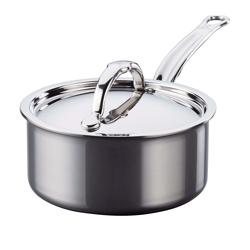
A 4 qt. silver stainless steel saucepan with tri-ply body and aluminum core for fast, even heat distribution.
Pros: easy to clean, quality, lightweight
-
(3)
A 4 qt. stainless steel saucepan with high sides, stay-cool handles, and precision-pour rims for easy cooking.
Pros: heavy-duty, even heating, well-made
-
(150)
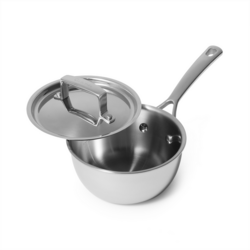
A versatile saucepan made of fully clad, scratch-resistant brushed stainless steel with a thick aluminum core for even cooking.
Pros: even heating, durable, glass lid
-
(495)
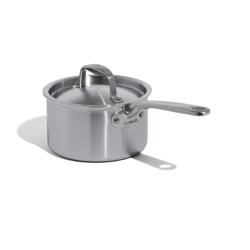
A 2 qt. stainless steel saucepan with high, straight sides and a thick aluminum core for even heat distribution.
Pros: easy to clean, versatility, durable
-
(69)
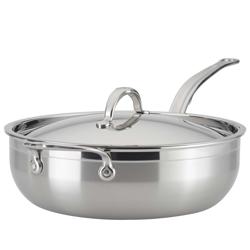
A versatile and durable stainless steel essential pan with a 5 qt. capacity for even heat distribution.
Pros: versatility, quality, durable
-
(413)
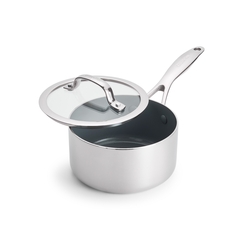
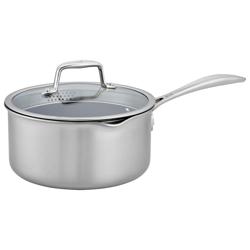
A 3 qt. stainless steel saucepan with Ceraforce XTREME ceramic nonstick coating for mess-free cooking.
Pros: durable, well made, high quality
-
(1119)
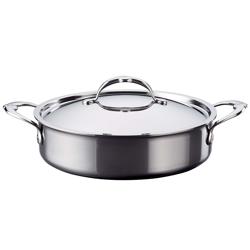
A resilient and innovative stainless steel sauteuse with titanium nano-layers for superior heat conduction.
Pros: versatility, easy to clean, quality
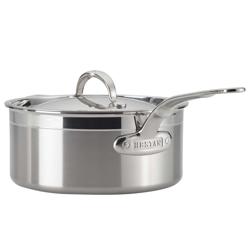
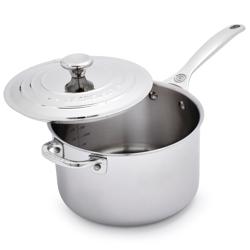
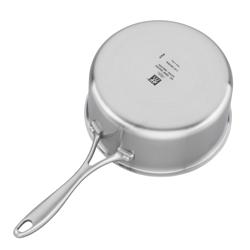
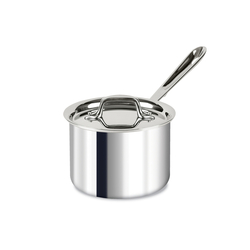
Triply Saucepan
Looking to elevate your culinary skills? Look no further than our collection of Triply Saucepans. These versatile kitchen essentials are designed to deliver exceptional cooking performance, ensuring that every sauce, soup, and stew is cooked to perfection. Crafted with a triple-layer construction, these saucepans distribute heat evenly and efficiently, allowing you to achieve precise temperature control for delicious results every time. Whether you're a professional chef or a home cook, our Triply Saucepans are the perfect addition to your kitchen arsenal. Discover the joy of cooking with confidence and explore our range of Triply Saucepans today.
Triply Saucepan
FAQ List
Yes, most triply saucepans are compatible with induction cooktops due to their magnetic stainless steel layer.
Yes, triply saucepans are generally dishwasher safe. However, hand washing is recommended to maintain their appearance and prolong their lifespan.
It is best to avoid using metal utensils with a triply saucepan to prevent scratching the interior surface. Opt for silicone, wooden, or nylon utensils instead.
Yes, most triply saucepans come with matching lids to help retain heat and flavors while cooking.
To clean burnt food residue, fill the saucepan with warm water and a mild dish soap. Let it soak for a while, then gently scrub with a non-abrasive sponge or cloth. Avoid using harsh scrubbers or abrasive cleaners.

-
"These are the best. they heat up fast. Cooking is a pleasure with them"
-
"Great product, easy to use, great quality one of the best pans I own"
-
"Looks and works great. Perfect size for so many different things. I also love that it's rounded"
-
"Great sauce pan"
-
"I love this sauce pan, not only great for sauces, soups and gravies but itmakes quick work sautéing"