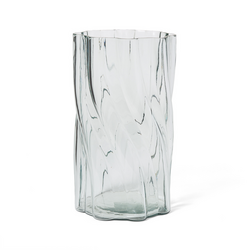
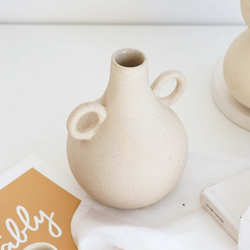
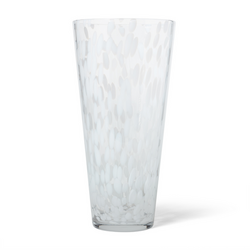
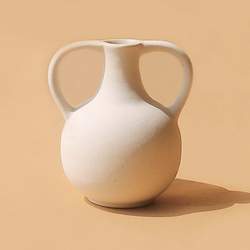
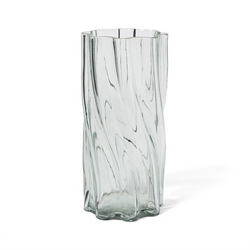
Unique vases for flowers give a simple bouquet a sense of place, whether it sits beside the kitchen sink, at the center of a dining table or on a console near the front door. Their character comes from more than color alone. A gently uneven rim, a curved silhouette or a surface with subtle ridges can make a familiar arrangement feel different without competing with the flowers. Distinctive does not have to mean elaborate: a restrained shape with an unexpected proportion can be just as expressive as a richly textured vessel. The best match depends on what you want to notice first. Clear glass keeps the stems visible and lets the whole arrangement become part of the display, while an opaque vase brings attention to the blooms and creates a stronger block of color beneath them. Soft, rounded forms can echo the fullness of peonies or hydrangeas, while more angular shapes offer a contrast to loose, arching stems. Explore
Flower Vases with the surrounding room in mind, including the colors of your dinnerware, the grain of a wooden table and the artwork nearby. A vase does not need to match those elements exactly; repeating one color or texture is often enough to make it feel at home. On a busy shelf, a simpler outline gives flowers room to stand out. On an otherwise bare sideboard, a sculptural form can hold its own even between bouquets. Smaller vessels can bring flowers to places a full arrangement would overwhelm, such as a breakfast tray or a narrow bedside table. A few thoughtfully spaced vases can also carry a floral display down a long table without creating one large centerpiece. That flexibility is part of their appeal: the same room can feel different with a change of stems, placement or scale, without replacing the pieces around them.
Shape and size influence how a vase works just as much as how it looks. A narrow opening helps gather a few stems together, making a modest bunch feel intentional rather than lost in a large container. A wider mouth gives fuller bouquets space to spread, though sparse stems may lean outward unless they have enough support. Tall flowers and leafy branches generally need a vessel with sufficient height, weight and base width to keep the arrangement balanced. Shorter stems often sit more comfortably in a lower form, where the blooms can rest closer to the rim. The relationship between the opening and the body matters, too: a generous interior can hold water while a smaller neck keeps stems grouped. For fresh flowers, usable capacity is more important than the outside dimensions suggest. A dramatic shape may have a narrow internal space, so the arrangement should leave room for water rather than packing stems tightly together. Dining tables call for another kind of fit. A low arrangement makes conversation easier across the table, and a compact footprint leaves space for serving dishes, glasses and place settings. On a kitchen counter, a stable base and a position away from the working edge are practical advantages. Tall displays also need clearance beneath shelves and cabinets, especially when branches extend beyond the vase itself. For fresh arrangements, the interior must be watertight; a decorative vessel intended only for dried flowers needs a separate watertight insert before it can hold water. Dried stems offer a different kind of display, allowing delicate branches and grasses to remain in place without regular water changes. They still benefit from a shape that supports them rather than letting them slide into the bottom. Whether the flowers come from a florist, a grocery store or a cutting garden, a well-proportioned vase helps them look settled in the space instead of squeezed into whatever container happens to be nearby.
Materials bring their own qualities to everyday use. Glass offers clarity and a lighter visual presence, making it useful when you want a centerpiece to feel open rather than solid. It also makes the water level easy to see, although mineral deposits and residue may be more noticeable. Ceramic, including stoneware and porcelain, can provide anything from a smooth, understated finish to a more tactile surface. Weight varies by construction, so material alone does not tell you how stable a vase will be. A broad base and sound placement matter, particularly in homes with pets, children or frequently used dining areas. Durability also depends on how the vessel is handled: even a substantial ceramic vase can chip at the rim, and glass can be damaged by knocks against a sink or faucet. Care instructions should determine the cleaning method, especially for painted details, metallic accents and textured finishes. Unless the maker indicates otherwise, gentle hand-washing with mild dish soap is a sensible approach. An opening wide enough to reach inside makes regular cleaning easier, while a narrow neck may require a soft bottle brush. Clean interiors help prevent old plant material and residue from carrying over to the next bouquet. Drying the exterior and base before returning a vase to furniture helps protect the surface beneath it; a discreet protective pad can add reassurance on delicate finishes. These everyday considerations also make vases thoughtful gifts for housewarmings, weddings, anniversaries or a host who enjoys setting a welcoming table. A manageable size and versatile color can make a gift easy to use, while an unusual silhouette offers personality without requiring an exact match to someone’s décor. Pairing a vase with fresh flowers makes its purpose immediately clear, but a distinctive vessel can be a complete gift on its own. For anyone who regularly brings flowers home, having a few complementary shapes means there is a suitable place for everything from a single clipped stem to a generous celebratory bouquet.