-
(19)
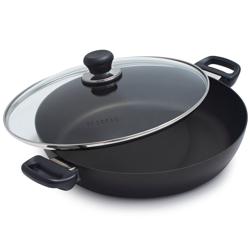
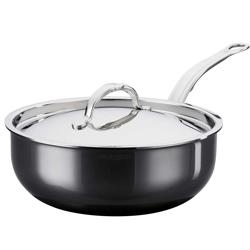
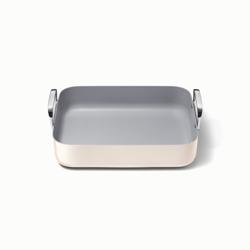
A versatile silver pan with tri-ply construction for even heat distribution, perfect for one-pan meals.
Pros: versatility, easy to clean, size
-
(71)
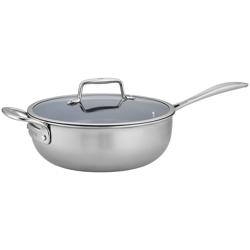
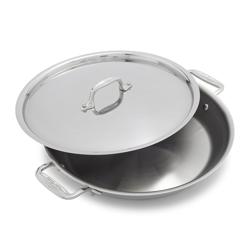
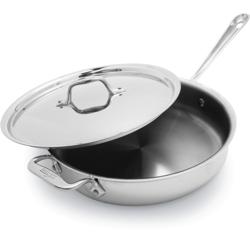
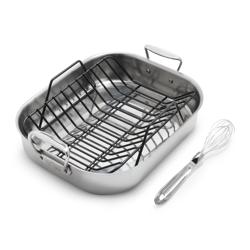
A 3 qt. stainless steel sauté pan with a large surface area, tall sides, and tight-fitting lid for versatile cooking.
Pros: larger size, easy clean up, higher sides
-
(30)
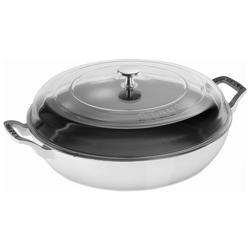
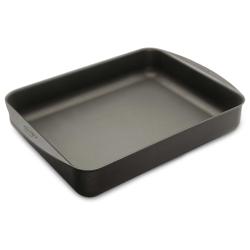
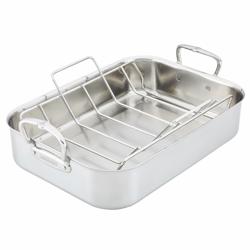
A multi-purpose, nonstick roasting pan that is energy-saving, healthier, versatile, and compatible with stovetop and oven.
Pros: easy to clean, size, perfect size
-
(10)
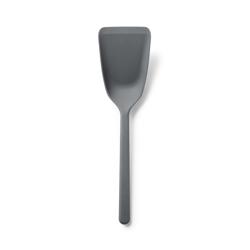
A gray silicone scoop designed for sheet pan meals, with tapered side walls and dishwasher-safe convenience.
Pros: love it, functional, perfect size
Universal Pan
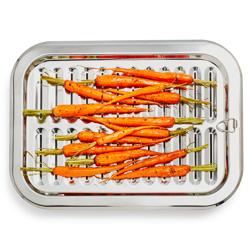
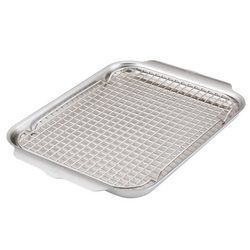
A universal pan is a versatile pan that can be used for cooking almost any food. It's also a great choice for those who like to entertain and want to make sure they have the right tools on hand. These pans are designed to be used on a variety of stovetop surfaces, including gas, electric, and induction. Here are some great options.
Universal Pan
FAQ List
A universal pan is a type of cookware that is wider and shallower than a traditional saucepan, making it ideal for a variety of cooking tasks. Its flat bottom allows for even heat distribution, making it perfect for searing meats, sautéing vegetables, or simmering sauces.
A universal pan is a versatile and practical addition to any kitchen. Its wide and shallow shape makes it perfect for a variety of cooking tasks, from searing meats to simmering sauces. It's also great for one-pot meals and can go from stovetop to oven with ease.
Universal pans can be made from a variety of materials, including stainless steel, non-stick coatings, and cast iron. Each material has its own benefits and drawbacks, so it's important to consider your cooking needs and preferences when choosing a universal pan.
Most universal pans are designed to be used on all cooktops, including gas, electric, and induction. However, it's important to check the manufacturer's instructions to ensure that the pan is compatible with your specific cooktop.
The care instructions for a universal pan will depend on the material it is made from. In general, it's important to avoid using metal utensils on non-stick pans, as this can scratch the surface. Stainless steel and cast iron pans should be seasoned regularly to prevent rust and maintain their non-stick properties. Always refer to the manufacturer's instructions for specific care guidelines.
-
"I love scan pans! Best pans I've ever used"
-
"Size and nonstick coating are the best. I use it for everything"
-
"COOKS GREAT, AND CAN USE ON THE STOVE OR IN THE OVEN. ITS EASY TO CLEAN. LOVE THIS PAN"
-
"Love it, incredibly happy with the purchase. Wonderful for cooking"
-
"Love our new pans"