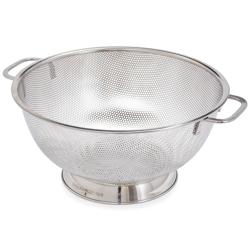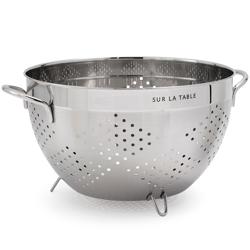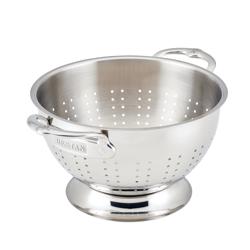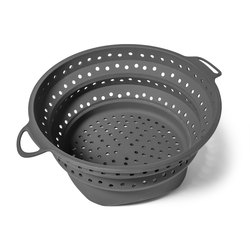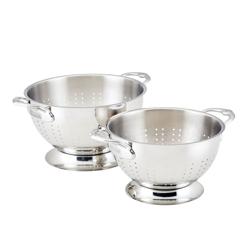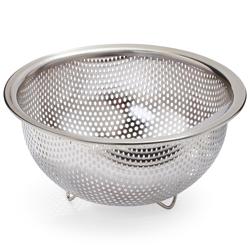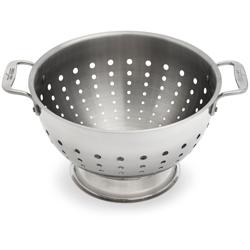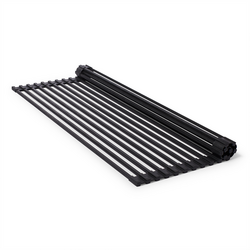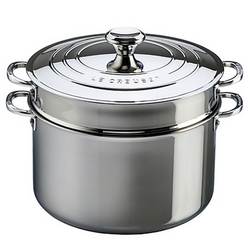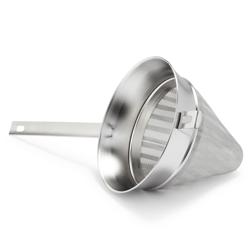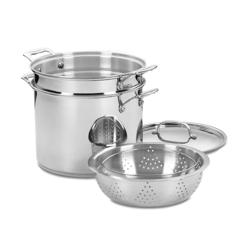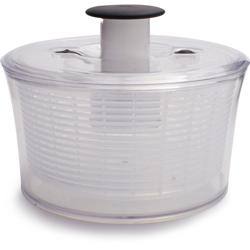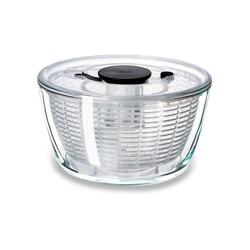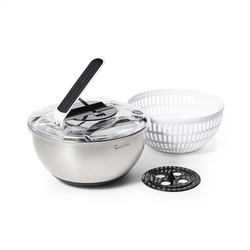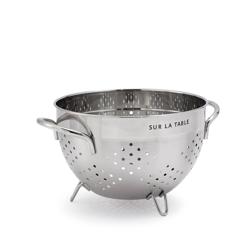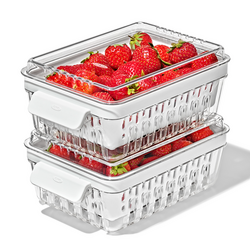
Versatile colanders handle everyday tasks such as rinsing vegetables, washing berries and draining cooked pasta, with different materials and shapes suited to different kitchens. Stainless steel colanders offer a sturdy, long-lasting option for frequent use, collapsible silicone designs reduce storage space and over-the-sink styles keep food elevated while water drains below. The most useful choice fits both the meals you prepare and the space where you prepare them. A smaller bowl is easy to manage when rinsing a handful of blueberries for breakfast or draining a can of chickpeas for lunch. A roomier colander gives leafy greens space to loosen under running water and accommodates pasta for a family dinner without crowding the rim. Capacity alone does not tell the whole story, though. A broad, shallow shape makes it easier to spread out delicate fruit, while a deeper bowl can contain bulky vegetables more comfortably. Drainage holes matter just as much: larger openings let water escape readily but may allow slender noodles or small pieces of food to slip through. Closely spaced, smaller perforations offer more containment, although rice, quinoa and other tiny grains generally call for a fine-mesh strainer instead. A colander and a strainer can complement each other rather than serve as exact substitutes. For produce that holds grit, such as leeks or spinach, loosen the dirt in a separate bowl of water first, then lift the vegetables into the colander so the sediment stays behind. Rinse as needed and let excess water drain before continuing with the recipe. A colander removes surface water, but salad greens may still need a spinner or a clean towel before dressing. These small distinctions make a familiar kitchen tool more useful, whether dinner means a quick bowl of noodles, roasted vegetables alongside chicken or a generous pot of soup during the cooler months.
Material, construction and fit all influence how a colander feels in daily use. Stainless steel is a practical choice for cooks who frequently drain hot pasta or boiled potatoes because it tolerates heat well and resists rust with proper care. Look beyond the material to the details: a firm rim, securely attached handles and a stable base help a colander feel dependable under a full load. Metal handles can become hot, so keep dry oven mitts nearby and handle the bowl with care after draining. Silicone colanders can be lighter and easier to tuck into a crowded cabinet, especially when their sides collapse for storage. Their suitability for boiling water depends on the complete design, including any plastic frame or handles, so check the manufacturer’s temperature and use instructions rather than assuming every collapsible style performs alike. Rigid plastic can be convenient for rinsing produce, but hot-food use should also be confirmed before pouring in a pot of pasta. For any material, a raised base helps keep the bowl above the sink surface and allows water to escape underneath; the sink still needs to drain freely so water cannot back up around the food. Over-the-sink colanders offer another approach, with supports that span the basin and leave room below. Measure the inside span of the sink and compare it with the stated support range, allowing for rounded corners, divided basins and nearby fixtures. Handles should rest securely on the edges without slipping or wobbling. This arrangement can be especially helpful when rinsing vegetables in batches, but stability matters more than a close-looking fit. Countertop space and cabinet layout deserve the same attention. A wide colander may fit neatly inside a mixing bowl, while a tall pedestal base may require its own shelf space. Collapsible designs can suit apartment kitchens or shared cabinets, provided they are fully opened and supported before use. Comfortable grips and a manageable empty weight also make a difference for anyone who finds a heavy, full bowl awkward to lift.
A well-chosen colander earns its place through repeated use, from rinsing apples for an afternoon snack to draining vegetables before they go into a casserole. Cooks who work through plenty of fresh produce may find
Durable Vegetable Colanders helpful when looking for a tool suited to that routine. Think about how food moves through the kitchen: carrots need a thorough rinse before peeling, broccoli florets benefit from room to turn under the faucet and tender raspberries need a gentle flow of water rather than a forceful spray. Wash berries close to serving and dry them carefully, since leaving them wet can shorten their keeping time. When draining pasta, set the colander securely in a clear sink before lifting the pot, pour slowly and keep hands and face away from rising steam. Reserve any cooking water needed for the sauce before draining. For potatoes headed into a mash, let excess water escape so it does not dilute the finished dish. Cleanup is simplest when food has not had time to dry inside the perforations. Rinse promptly after use, then wash according to the care instructions, paying attention to the underside of the rim, the base and the points where handles attach. A soft brush can help clear trapped starch or vegetable fibers without the harsh scrubbing that may damage some surfaces. Dishwasher-safe construction can simplify a busy evening, but not every material or collapsible mechanism has the same care requirements. Let the colander dry thoroughly before nesting it inside another bowl, and leave collapsible sides open until their folds are dry. Over time, check for loose handles, rough edges or splits in flexible sections that could make draining less secure. These practical details also make a colander a thoughtful gift for someone setting up a first kitchen, moving into a smaller home or spending more time cooking. Paired with a mixing bowl or kitchen towels, it supports the everyday work behind a good meal without requiring a complicated routine or much explanation.