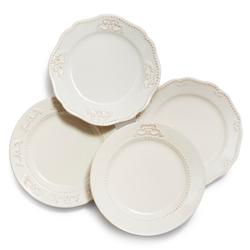
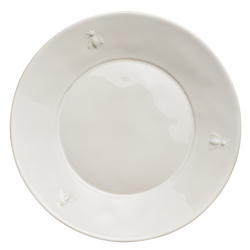
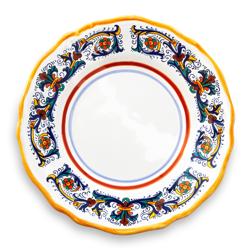
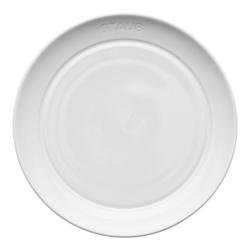
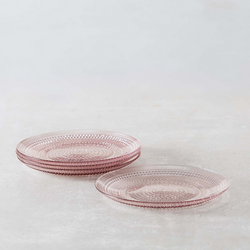
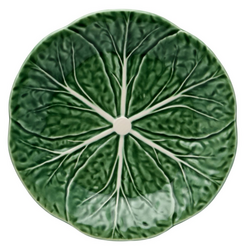
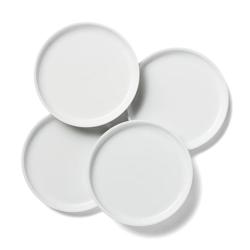
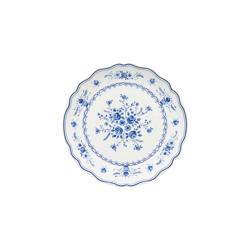
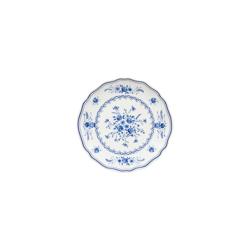
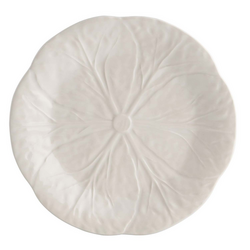
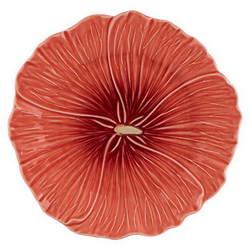
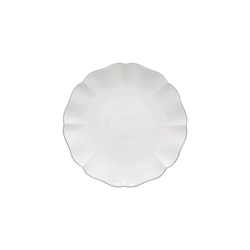
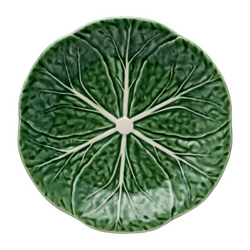
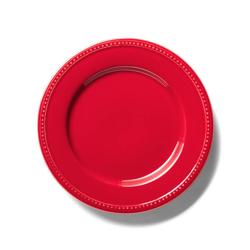
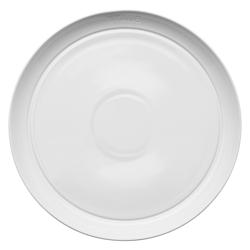
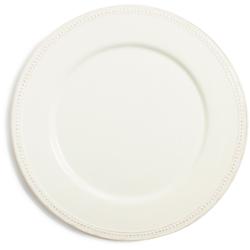
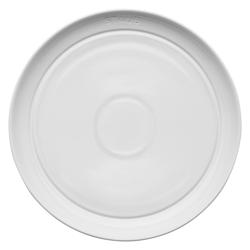
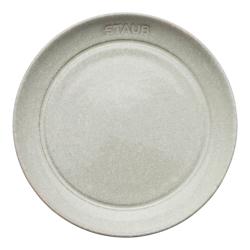
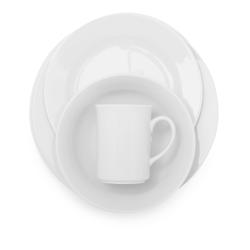
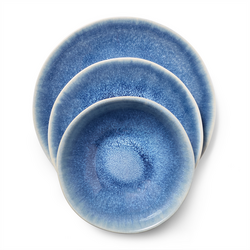
Wedding dessert plate sets bring a coordinated look to cake service, dessert tables and the smaller celebrations surrounding a wedding. Porcelain, stoneware and glass are common reusable materials, each offering a different balance of appearance, weight and care requirements. The right set gives a slice of cake, a fruit tart or a few small pastries enough room without crowding the table. Dessert plates are generally smaller than dinner plates, often measuring about 6 to 8 inches in diameter, though the usable center matters as much as the overall size. A broad decorative rim can frame a petite éclair beautifully while leaving less room for a generous slice of layer cake. For cake served with berries, whipped cream or a spoonful of sauce, a slightly larger plate with a gently raised edge gives guests more space to enjoy each bite. Smaller plates suit macarons, truffles and bite-size sweets, especially when guests are choosing a little at a time from a dessert display. A coordinated set also helps separate tables feel connected: the plates beside the cake can echo those used for an engagement party, bridal shower or rehearsal dinner without requiring every celebration to look exactly alike. White and ivory create a quiet backdrop for colorful fruit and piped buttercream, while patterned borders, textured surfaces and colored glazes add detail around simpler desserts. Clear glass lets the table linen show through and keeps the presentation visually light. Shape contributes, too. Round plates fit comfortably into many place settings, while scalloped edges or angular silhouettes introduce a more distinctive outline. At a seated reception, dessert plates can complement the dinnerware without matching it piece for piece. At a help-yourself dessert table, a consistent shape and palette make stacks look orderly and let the sweets remain the focus. That balance of presentation and practical use makes wedding dessert plates useful well beyond the cake-cutting moment.
Material and construction influence how wedding dessert plate sets feel in hand, hold up to repeated use and fit into cleanup after the celebration. Porcelain often has a refined profile that works well for a formal table, but a delicate appearance does not by itself determine durability; thickness, glaze and the manufacturer’s care instructions all matter. Stoneware can bring a more substantial feel, with glazed finishes that range from smooth and uniform to subtly varied. That weight may feel reassuring at a place setting, though it is worth considering when guests will carry a plate while standing and talking. Glass offers clarity or decorative texture, depending on its finish, and deserves careful handling around stacked dishes and hard countertops. No material is automatically chip-proof, and edges can be vulnerable during transport, washing and storage. For a celebration at home, plates that stack securely and fit existing cabinets are easier to keep in regular rotation afterward. For a venue where dishes must travel, consistent sizing and protective packing help simplify the trip. The dessert itself is another consideration: a flat center supports a cleanly cut slice of cheesecake, while a shallow well helps contain a spoon dessert or fruit juices. A relatively smooth eating surface also makes it easier to gather crumbs and sauce with a fork. Care requirements vary even among plates made from the same material. Dishwasher-safe designs can make repeated entertaining easier, but metallic rims, applied decoration and certain finishes may require hand-washing. Microwave suitability should be confirmed separately rather than assumed from dishwasher instructions, particularly when metallic decoration is involved. Following the stated care directions helps preserve both the surface and the decorative details. Gentle stacking, space between pieces in the dishwasher and a soft cloth for hand-washed finishes can reduce unnecessary contact. For couples who want wedding tableware to become everyday tableware, manageable weight, straightforward care and a comfortable fit alongside existing dishes deserve as much attention as the pattern.
The number of dessert plates needed depends on how sweets will be served, not simply how many people are invited. A seated cake course generally calls for one plate per guest, with extras for unexpected needs or a dropped dish. A dessert buffet may call for more if guests return for another helping and take a clean plate, particularly when cake service and other sweets are offered separately. Set quantities are worth checking carefully so the total matches the celebration and the storage space afterward. Consistent dimensions help multiple sets work together, while a shared color or border can connect different patterns without making the table feel overly uniform. For a small wedding at home, the same plates might hold appetizers before dinner and dessert later, provided there is time and space to wash them between courses. For a larger gathering, keeping those uses separate can make service smoother. Decorative details are especially meaningful when the plates will remain part of a couple’s home. A floral motif can recall wedding flowers, a softly textured edge can complement familiar everyday dishes and a restrained border can move easily from anniversary dinners to casual coffee with friends. For a more expressive table,
Decorative Dessert Plate Sets offer another way to explore pattern, color and distinctive finishes. As a wedding or shower gift, dessert plates suit couples who enjoy baking, hosting dinner or setting out something sweet when friends stop by. They can also be a thoughtful addition to a registry when the couple already has dinner plates but wants smaller dishes for entertaining. The most useful gift reflects how the recipients actually live: a compact stack for a smaller kitchen, easy-care pieces for frequent gatherings or a decorative set they will enjoy bringing to the table for special occasions. Long after the reception, those plates can serve birthday cake, shared pastries and the first slice of a homemade pie, carrying a small part of the celebration into ordinary days.