-
(9)
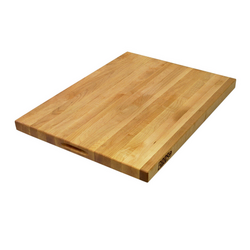
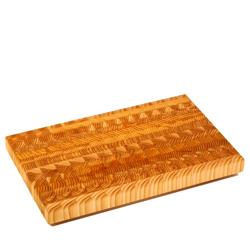
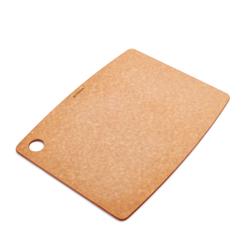
A durable and knife-friendly cutting board made of self-healing end-grain larch wood, perfect for cutting and serving.
Pros: beautiful design, rubber feet, love it
-
(30)
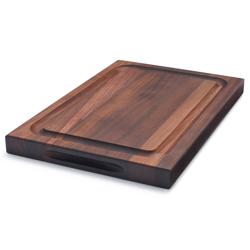
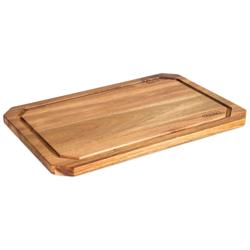
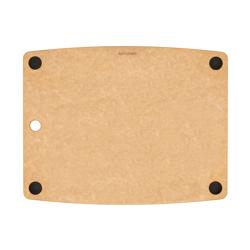
A versatile acacia wood cutting board with built-in juice grooves for easy food prep and serving.
Pros: appearance, sturdiness, juice groove
-
(11)
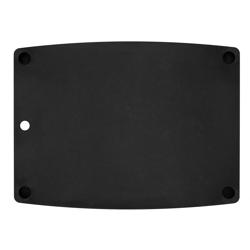
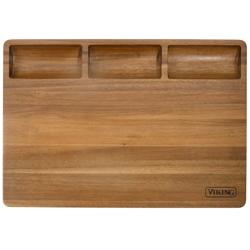
A versatile acacia wood butcher block board with 1-cup indentions and a juice groove.
Pros: beautiful, lovely, functional
-
(41)
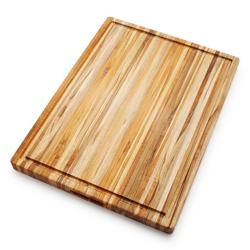
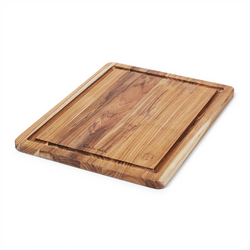
A reversible teak carving board with a juice-catching canal, made from sustainable teak wood.
Pros: perfect size, size, sturdy
Wood Cutting Boards
Cutting boards are an essential part of almost any kitchen. They're the surfaces you chop, slice, dice, and mince on. Wood cutting boards are some of the most popular types of cutting boards and for good reason. They offer a variety of benefits that make them a great option for almost any kitchen. These cutting boards are typically made from hardwoods like maple, walnut, and cherry. Here are some great options.
Wood Cutting Boards
FAQ List
Wood cutting boards are typically made from hardwoods such as maple, walnut, and cherry, although softwoods like pine and cedar are also used.
Clean your wood cutting board with warm soapy water and dry it thoroughly after each use. Avoid soaking the board in water or putting it in the dishwasher as this can cause warping and cracking. It's also important to regularly oil your board to prevent drying out and cracking.
Yes, wood cutting boards can be used for a variety of tasks, including chopping meat and vegetables. However, it's important to sanitize the board after each use to prevent cross-contamination. Use a solution of one part white vinegar to four parts water to sanitize your board.
The size of your cutting board will depend on your needs. Consider the size of your kitchen and the types of tasks you will be using the board for. A larger board may be necessary for preparing large cuts of meat or vegetables, while a smaller board may be more practical for everyday use.
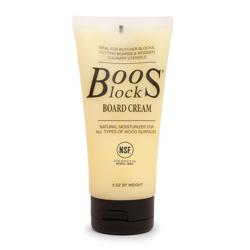
It's recommended to oil your wood cutting board once a month, or more often if you use it frequently. Use food-grade mineral oil or beeswax to oil your board, and apply it with a clean cloth or paper towel. Let the oil soak in for a few hours or overnight before wiping off any excess.
-
"I finally upgraded to a John Boos and I love it. It's so much better than the cheaper ones"
-
"The best part is chopping vegetables and serving them from the board when company comes over"
-
"This is the best board I have ever owned. Does not stain, great on the knives and dishwasher ready"
-
"I love the reversible feature for carving meats on one side with the channel and the everyday use on"
-
"I love this! I used it in a cooking class months ago and havent been able to stop thinking of it"