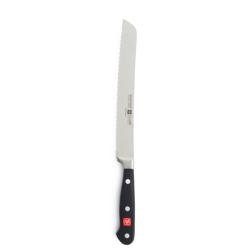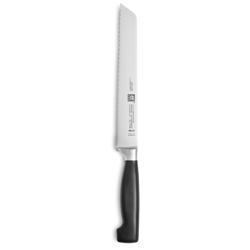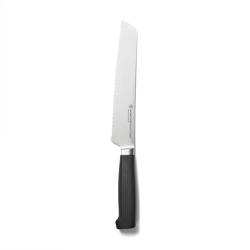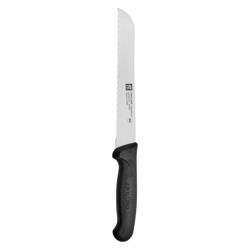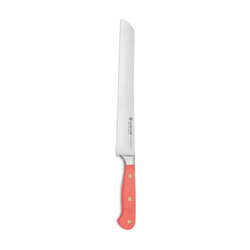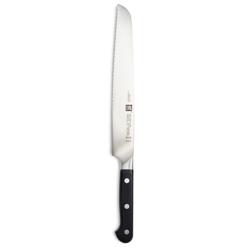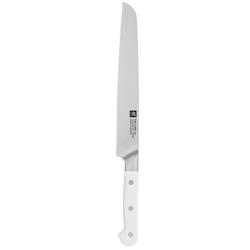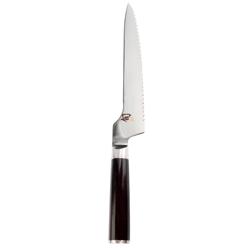
8 Inch Bread Knife
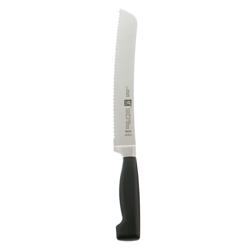
An 8-inch bread knife is a practical kitchen essential for anyone who enjoys fresh loaves, tender pastries or a neatly sliced sandwich. Its serrated blade is designed to saw gently through a crisp crust while protecting the soft crumb inside, making it different from a chef’s knife or a straight-edge slicing knife. The teeth catch the surface of the bread and move through it with less downward pressure, so a crusty artisan boule is less likely to crack, compress or shed crumbs all over the cutting board. An 8-inch length offers a useful balance: it is long enough to handle a substantial loaf but compact enough to feel comfortable when slicing smaller boules, baguettes, tea breads and breakfast pastries. During the cooler months, when kitchens fill with hearty soups, baked casseroles and loaves pulled warm from the oven, this is the knife that makes serving feel easier and more polished. It is equally helpful for everyday staples, from cutting thick slices of sandwich bread for school lunches to dividing a soft brioche without flattening its delicate texture. A well-designed serrated blade can also move cleanly through tomatoes, ripe melons and other foods with a firm exterior and tender center, although bread remains its primary strength. For a home baker, an 8-inch bread knife can become one of the most frequently used tools in the drawer. It is also a thoughtful gift for someone setting up a first kitchen, learning to bake or building a collection of dependable cooking tools. Paired with a loaf from a neighborhood bakery or a homemade quick bread, it makes a useful and personal gift for hosts, newlyweds, frequent entertainers and anyone who appreciates the small pleasure of serving food in generous, even slices.
When comparing 8-inch bread knives, start with the blade and the shape of its serrations. Wider, more pronounced teeth often glide through thick crusts with a confident bite and can help reduce tearing, while smaller serrations may feel smooth on softer sandwich loaves and tender cakes. There is no single pattern that suits every baker, so consider the kinds of bread most often served at home. A knife intended for crusty country loaves should feel secure as it works through a firm outer shell, while one used mostly for sliced bread, muffins and pastries should move with a lighter touch. Blade construction also affects the feel and long-term performance. Forged blades are shaped from a single piece of steel and are often valued for their balance, strength and substantial feel in the hand. Stamped blades are cut from a sheet of steel and are typically lighter and more accessible, which some cooks prefer for quick, everyday slicing. High-carbon stainless steel is commonly chosen for its strength and resistance to staining, while a well-finished stainless steel blade can provide easy care and dependable use. Look for a handle that feels comfortable when held with a relaxed grip, since pressing too hard can crush bread even when the serrations are sharp. A bolster or transition between the blade and handle may add stability, and a full tang can contribute to balance and durability. Riveted handles offer a traditional appearance and a sturdy feel, while molded or contoured handles may provide a smooth, comfortable grip with fewer areas for crumbs to collect. Weight matters, too: the knife should feel controlled rather than top-heavy, with enough length to complete a slice in steady, even strokes. If you are shopping across several kitchen essentials, an [8 Inch Knife](https://www.surlatable.com/o?c=8-inch-knife) can also be useful for comparing other blades in a similar size range, though a bread knife’s serrated edge serves a very different purpose from a smooth slicing edge.
Proper care helps an 8-inch bread knife stay comfortable and effective for years. Although some knives may be labeled dishwasher safe, hand-washing is often the better choice, especially for premium blades or knives with wooden, riveted or finely finished handles. Rinse away flour and crumbs soon after use, wash with warm water and mild dish soap, then dry the knife completely before storing it. Avoid leaving any knife submerged in a sink, where contact with other utensils can dull the edge or create a safety hazard. Serrated blades are not sharpened in the same way as smooth blades, and most home cooks should not run them through a standard pull-through sharpener. When the teeth eventually lose their bite, professional sharpening or a sharpening tool made specifically for serrated edges is the safest route. Store the knife where the blade will not strike other cutlery; a protective sheath, knife block or dedicated drawer insert can help preserve the edge and protect hands. For the cleanest slices, place the loaf on a stable cutting board and use long, gentle sawing motions rather than pressing straight down. Let very hot bread cool briefly before cutting so the crumb has time to set, then brush away crumbs between loaves to keep the cutting surface tidy. An 8-inch bread knife earns its place through these simple, satisfying moments: a crackling crust giving way beneath the blade, a soft loaf holding its shape and a platter of evenly cut slices ready for the table. Whether it is used by an experienced baker or someone preparing their first holiday brunch, the right knife brings control and ease to a task that appears simple but benefits greatly from the proper tool.