-
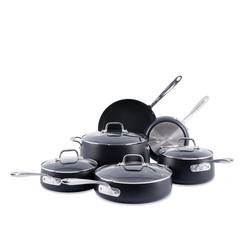
A black hard-anodized aluminum cookware set with ceramic nonstick coating and stainless steel bases for even heating.
-
(1)
A durable black nonstick cookware set offering even heating and effortless food release for home chefs.
-
(3)
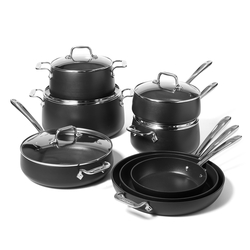
A durable 13-piece set with black nonstick surfaces and hard anodized aluminum for even heating.
Pros: fast delivery, price, easy cooking
-
(1)
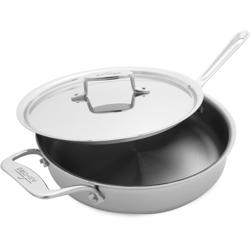
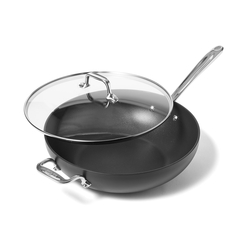
A durable 5 qt. black nonstick chef's pan with a glass lid for versatile cooking.
Pros: durable, easy to clean
-
(80)
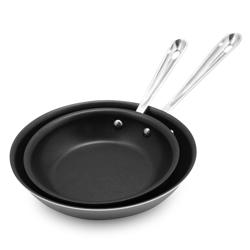
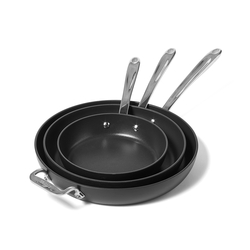
A durable black nonstick skillet set with even heating and easy food release for versatile cooking.
Pros: easy to clean, quality, nonstick
-
(22)
A durable 8" black skillet with nonstick surface and hard anodized aluminum for even heating.
Pros: easy to clean, nonstick, high quality
-
(11)
A durable black nonstick skillet set with even heating and effortless food release for versatile cooking.
Pros: easy to clean, weight, non-stick
-
(21)
A durable black nonstick skillet set with even heating and easy food release for versatile cooking.
Pros: quality, easy cleanup, easy to clean
-
(11)
A durable black nonstick skillet set with lids, featuring even heating and effortless food release.
Pros: lightweight, durability, reasonable price
-
(5)
A durable 4 qt. black nonstick soup pot with a tempered glass lid for precise cooking.
Pros: quality, appearance, compact size
-
A versatile black ceramic nonstick skillet set with tempered glass lids and durable hard anodized aluminum construction.
-
A black hard-anodized aluminum skillet with ceramic nonstick coating, tempered glass lid, and stackable handles.
-
(6)
A 12" black nonstick skillet with lid, offering even heating and effortless food release.
Pros: fine, second handle, weight
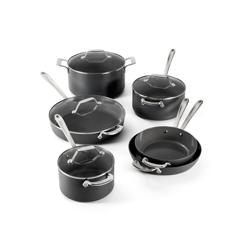
All-Clad HA1 Nonstick Cookware
Experience effortless cooking with the All-Clad HA1 Nonstick cookware. Its durable nonstick coating ensures effortless food release and quick cleanup, making it perfect for everyday us. The contoured handles offer a comfortable grip and stay cool on the stovetop. Upgrade your kitchen with the All-Clad HA1 Nonstick cookware and enjoy hassle-free cooking with exceptional performance.
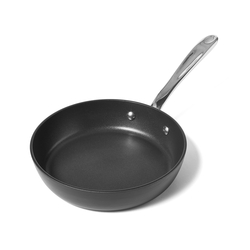
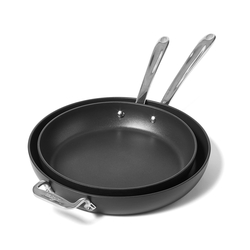
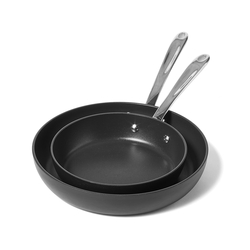
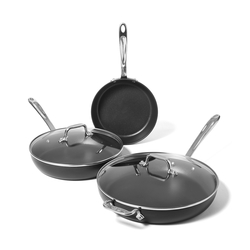
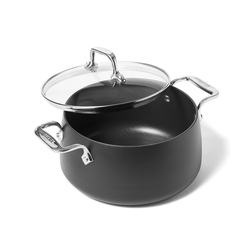
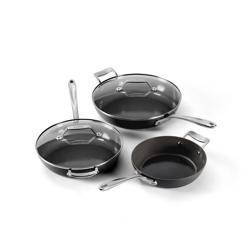
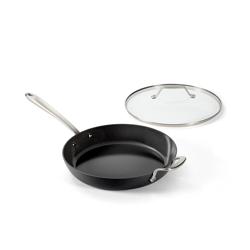
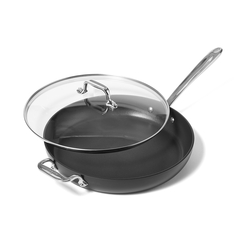
All-Clad HA1 Nonstick Cookware
FAQ List
Yes, All-Clad HA1 Nonstick Cookware is dishwasher safe for easy cleanup.
Yes, All-Clad HA1 Nonstick Cookware is oven safe up to 500°F.
Yes, the nonstick coating on All-Clad HA1 Nonstick Cookware is PFOA-free for a healthier cooking experience.
All-Clad HA1 Nonstick Cookware is made of hard-anodized aluminum for excellent heat distribution and durability.
All-Clad HA1 Nonstick Cookware is great for cooking a variety of dishes, from eggs and pancakes to stir-fries and stews.
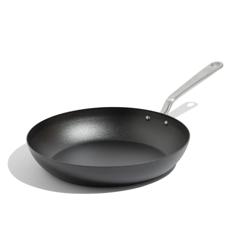
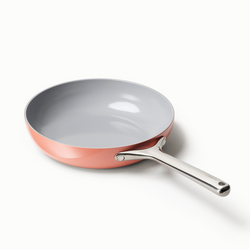
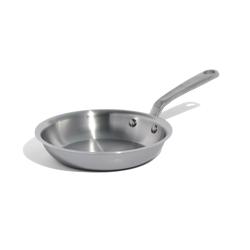
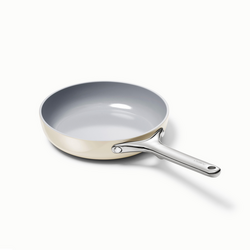
-
"Duh all-clad is the best. Nothing else needed to say. Don't scrub coated pans with steel wool"
-
"Love my new set of All Clad! Absolutely the best! Thank you"
-
"Love my new set of All Clad! Absolutely the best! Thank you"
-
"I love these non-stick pans. The best I've used"
-
"having had burnt everything in cheap cookware - I finally decided I needed to upgrade to All-Clad d5 - best"