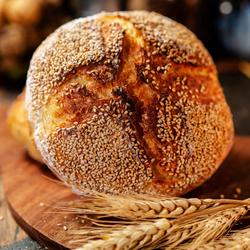
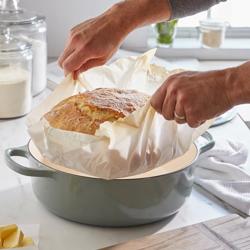
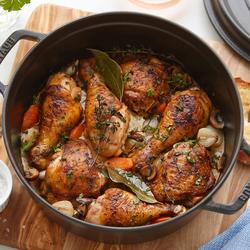
Artisan bread classes bring a familiar pleasure into focus: a loaf with a crackling crust, a tender interior, and enough character to make a simple dinner feel complete. Bread has a place beside everything from a bowl of soup to a platter of roasted vegetables, but making it well involves more than following a list of ingredients. Flour, water, yeast or a sourdough starter, and salt change as they come together, rest, and bake. A class gives those changes context, helping home cooks connect what a recipe says with what dough actually looks and feels like. That connection matters when a dough seems stickier than expected or a shaped loaf spreads instead of holding its form. With guided instruction, beginners can start to recognize the difference between dough that needs more development and dough that simply needs time. More experienced bakers can revisit habits, refine their handling, and better understand why a familiar recipe sometimes behaves differently. Depending on the menu, artisan bread baking classes might explore a rustic loaf for slicing, a flatter bread for sharing, or individual rolls that fit naturally alongside a meal. Each offers a different way to think about texture, shape, and serving. The appeal is not limited to elaborate dinner parties. A homemade loaf can give a weeknight salad more substance, make a pot of beans feel especially satisfying, or turn the last of a pan sauce into something worth passing around the table. For cooks who already enjoy preparing dinner, learning to bake bread adds another skill to the meal without requiring every dish to become more complicated. For bakers who tend to stay with cakes and cookies, working with a living dough offers a different kind of kitchen experience, where observation and touch matter as much as precise measurements. Classes centered on artisan techniques make room for both the practical details and the small satisfactions, from a dough becoming smoother under the hands to the aroma of a loaf finishing in the oven.
The most useful bread instruction helps explain the decisions behind the finished loaf. Kneading and folding, for example, are ways of developing the structure that helps dough hold the gases created during fermentation. In a class that covers those techniques, seeing a dough before and after it gains strength can make an unfamiliar instruction much easier to understand. Fermentation brings its own set of clues: a change in volume, bubbles beneath the surface, and a feel that becomes lighter and more elastic. Learning to notice those signs can help bakers rely on more than the clock, especially when flour, dough size, or the pace of a recipe changes. Shaping adds another layer of understanding. A round loaf, an elongated loaf, and a dinner roll may begin with similar ingredients, yet their forms influence the balance of crust and crumb and how they are shared at the table. Depending on the class, instruction may also address scoring, the cuts made before baking, and how moisture in the oven affects the crust. These details become easier to remember when they are connected to something tangible: a loaf that opens along a deliberate cut, a base that browns evenly, or a slice sturdy enough to carry a spoonful of soft cheese without feeling dense. Bread classes can also help distinguish among styles rather than treating every loaf as the same project. A dough enriched with butter, milk, or eggs behaves differently from one built around flour, water, salt, and leavening. Sourdough introduces the care and timing of a starter, while breads made with commercial yeast offer another approach to managing fermentation. The class description and menu are useful starting points for finding the techniques that match a baker’s interests. Someone hoping to serve bread with dinner may value practice with shaping and crust development, while someone already comfortable with basic dough may be drawn to a deeper look at fermentation. The aim is not just an attractive loaf, but a clearer understanding of how it became that way.
Bread baking classes suit a range of people and occasions because the experience combines a focused skill with something meant to be shared. A first-time baker may appreciate learning alongside others instead of trying to interpret a sticky countertop and an unfamiliar recipe alone. A confident home cook may enjoy stepping outside a usual dinner routine, while someone who bakes regularly may want a closer look at a technique that has remained inconsistent. Attending with a partner or friend can make the class a shared project, with plenty to compare as each person learns to handle and shape dough. Going on your own keeps the attention on the work at hand and offers the pleasure of learning among people with a similar interest. For birthdays, anniversaries, or a gift for an enthusiastic home cook, a class offers an experience with a purpose beyond the occasion itself: skills that can become part of meals at home. Choosing a suitable class starts with the bread on the menu, the techniques described, and any stated experience level. A session focused on foundational dough handling serves a different goal from one devoted to sourdough or more involved shaping. Those drawn to tender, enriched doughs can also explore
sweet bread and bun baking classes for a related direction in baking. For the dinner table, though, there is particular satisfaction in learning how a loaf complements the food around it. A chewy slice can stand up to a hearty stew; a crisp-edged piece can sit beside a plate of vegetables; a small roll can be passed easily from person to person. Those everyday uses give artisan bread classes their lasting appeal. The experience is about more than presenting an impressive centerpiece. It is about becoming comfortable with a process, understanding the choices that shape flavor and texture, and bringing bread to the table because it belongs with the meal.