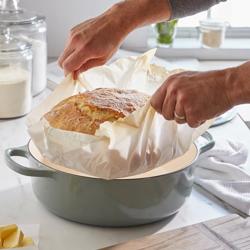
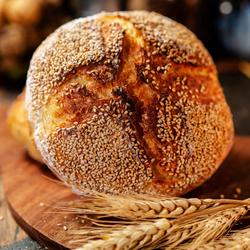
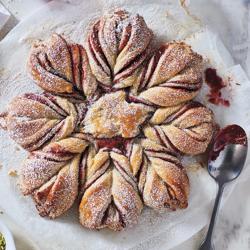
Artisan bread baking classes bring the craft of bread making into a kitchen setting where technique becomes easier to understand through touch, observation, and practice. With flour, water, salt, and a leavening agent as the starting point, these classes explore how simple ingredients become bread with a crisp crust, a tender interior, and well-developed flavor. The focus is not just on following a recipe, but on recognizing what dough needs at different stages. For a beginner, that might mean discovering the difference between a dough that needs more mixing and one that simply needs time to rest. For someone who already bakes, it might mean improving shaping tension, understanding fermentation, or getting a more consistent rise. Class themes can range from approachable yeast breads and rustic loaves to baguettes, focaccia, and sourdough, with the specific techniques depending on the menu. A session centered on focaccia may emphasize handling soft, sticky dough and creating an airy texture, while a baguette class may give more attention to shaping, scoring, and crust development. Sourdough classes typically place greater emphasis on natural fermentation and starter care. Each approach offers a different way to understand the relationship between ingredients, time, and handling. The most useful class choice is one that matches both experience level and the kind of bread someone wants to bake at home. A first-time baker may appreciate a fundamentals-focused session, while a regular home baker may prefer a class devoted to a particular style or technique. Descriptions that identify the breads being made and the skills being covered help set clear expectations. Whether the goal is a dependable loaf for sandwiches, bread to share at dinner, or a deeper understanding of sourdough, the appeal is the same: learning to make something familiar with greater skill and a better sense of how the process works.
Much of the value of an artisan bread baking class comes from seeing and feeling details that can be difficult to interpret in a recipe. Dough described as “smooth and elastic” becomes more meaningful when an instructor demonstrates its stretch and resistance. A sticky dough no longer seems like an automatic mistake when students can see how folding and resting help it develop structure. Depending on the class, instruction may cover measuring ingredients by weight, mixing, kneading or folding, bulk fermentation, dividing, shaping, proofing, scoring, and baking. These steps connect to one another: how dough is handled early on affects its strength, while shaping and proofing influence how well a loaf holds its form and expands in the oven. Learning to recognize those connections can make bread baking feel less like guesswork. A flour-dusted surface, the gentle spring of a shaped loaf, and the sound of a finished crust all provide useful clues, but understanding what those clues mean takes practice. Classes may also explain how flour choices influence texture and handling, why wetter doughs behave differently from firmer ones, and how steam supports crust development. In sourdough-focused instruction, topics may include feeding a starter, recognizing signs of activity, and understanding how fermentation contributes flavor as well as rise. Because some breads develop over many hours, a class may use dough prepared at different stages to show the full process within a single session. That approach can help connect the dough students mix with the loaf they eventually see baked. The techniques matter most when they translate to a home kitchen, where a loaf might spread more than expected or turn out denser than intended. Understanding possible causes gives a baker something more useful than a single successful recipe: a way to evaluate the next batch. The goal is not identical loaves every time, but the ability to make informed adjustments and recognize progress in the dough, the crumb, and the crust.
Bread baking classes can suit a wide range of people, from curious cooks making their first loaf to enthusiastic bakers ready to move beyond a familiar recipe. Attending alone offers an opportunity to concentrate on a skill and connect with others who enjoy cooking. Going with a friend, partner, or family member can turn the shared work of mixing and shaping into a memorable experience, especially when everyone enjoys making something together. For a date, birthday outing, or gift experience, a bread-focused class offers a practical skill alongside the pleasure of spending time in the kitchen. The best fit depends on the participants as much as the menu. Hands-on sessions emphasize participation, while demonstration-based formats put more of the focus on watching technique and following an instructor’s explanations. Class descriptions can clarify the format, expected experience level, session length, and any age requirements before a choice is made. For anyone interested in sourdough, it is worth distinguishing a class that teaches starter maintenance from one that focuses mainly on mixing and shaping naturally leavened bread. Similarly, a class featuring several bread styles may offer a broad introduction, while a session built around one style can allow more focused practice. Anyone with food allergies or dietary restrictions should review the class details and ask about ingredients and shared kitchen handling, since bread classes commonly involve wheat and may include other allergens. Beyond the session itself, the skills can support everyday routines and special gatherings alike: slicing a rustic loaf for lunch, setting bread beside a meal made for friends, or bringing a freshly baked loaf to a host. Artisan bread baking classes offer a way to build those skills through a guided experience, with room for both careful technique and the satisfaction of working by hand. The lasting reward is a clearer understanding of bread and a stronger foundation for baking it again.