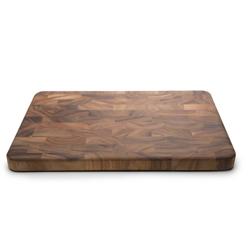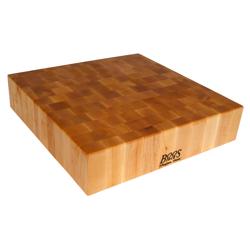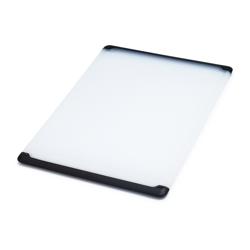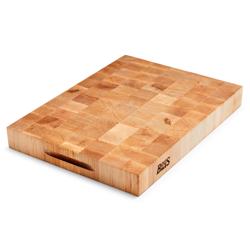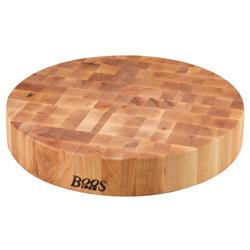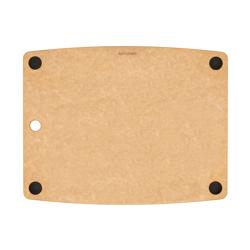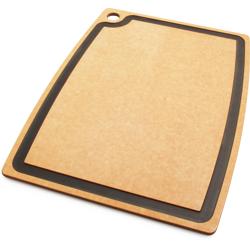
A high-quality chopping block is an essential tool in any kitchen, serving as the foundation for countless meal preparations. Whether you’re dicing vegetables for a fresh salad, carving a holiday roast, or mincing herbs to elevate your favorite recipe, the right chopping block provides stability, safety, and longevity for both your knives and your countertops. When selecting a chopping block, it’s important to consider factors such as size, thickness, material, and maintenance requirements. Wood blocks offer a classic look and are gentle on knife edges, while other materials may provide added durability or easier cleaning. The right choice depends on your cooking habits and kitchen space—some prefer a large, sturdy board that stays put during heavy prep work, while others need something lightweight and easy to store.
Chopping blocks make thoughtful gifts for anyone who enjoys spending time in the kitchen, from novice cooks learning basic knife skills to seasoned home chefs perfecting their culinary techniques. They’re also ideal housewarming presents or wedding gifts, bringing both beauty and function to new homes. For those who love to entertain, a well-crafted chopping block can double as an elegant serving piece for cheeses or charcuterie. No matter how they’re used, these versatile boards are designed to withstand daily use while enhancing every cooking experience.
Investing in a reliable chopping block is more than just adding another tool to your kitchen—it’s about creating a safe and efficient workspace that inspires creativity and confidence. With proper care and regular maintenance, a quality chopping block can last for years, becoming an indispensable part of your culinary routine. Whether you’re prepping quick weeknight dinners or hosting festive gatherings with friends and family, the best chopping blocks help make every meal preparation smoother and more enjoyable.
Best Chopping Blocks of 2026
According To Customer Reviews
Looking for the best chopping blocks to elevate your culinary experience? Look no further! Our carefully curated selection of top-rated chopping blocks has been ranked based on user reviews, ensuring that you'll find the perfect chopping block to meet your kitchen needs. Whether you're a professional chef or a home cook, having a high-quality chopping block is essential for prepping ingredients with ease and precision. With a variety of materials, sizes, and features to choose from, you're sure to find the ideal chopping block to enhance your cooking space and streamline your meal preparations.
What to Look for in Chopping Blocks?
Choosing the right chopping block can make meal prep easier and help protect your knives.
Frequently Asked Questions
What is a chopping block used for?
A chopping block is a sturdy, flat surface designed for cutting, chopping and preparing food. It protects countertops and helps keep knives sharp by providing a stable area for all your kitchen prep work.
What materials are chopping blocks made from?
Chopping blocks are commonly made from hardwoods like maple, walnut or teak, which are durable and gentle on knives. Some are crafted from bamboo or composite materials for added sustainability and strength.
How do I care for my chopping block?
To care for your chopping block, hand-wash it with mild soap and warm water after each use. Dry it thoroughly and regularly apply food-safe mineral oil to maintain the wood and prevent cracking.
Can I use both sides of a chopping block?
Yes, many chopping blocks are reversible, allowing you to use both sides for different tasks, such as prepping meats on one side and vegetables on the other.
What makes a chopping block different from a standard cutting board?
Chopping blocks are typically thicker and heavier than standard cutting boards, offering extra stability for heavy-duty chopping and butchering. Their robust construction makes them ideal for frequent use in busy kitchens.