
-
(15)
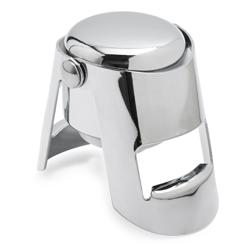
A stylish silver champagne bottle stopper that keeps your bubbly fresh and effervescent.
Pros: effectiveness, preserves bubbles, no leaks
-
(16)
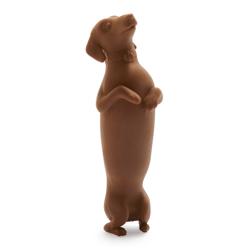
A fun and functional brown silicone wine stopper shaped like a dachshund, perfect for dog and wine lovers.
Pros: cute, effectiveness, practical
-
(12)
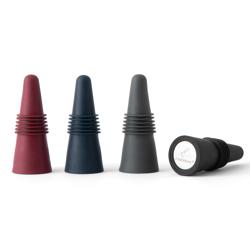
A set of four colorful rubber bottle stoppers that create an airtight seal to preserve various beverages.
Pros: effective, easy to clean, meets expectations
-
(4)
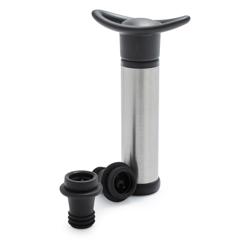
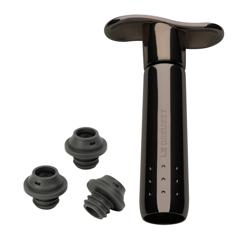
A silver 3-piece wine pump set that extracts oxygen to keep your wine fresh.
Pros: reliable, suction pump works well, sealed bottle
-
(3)
A durable, ergonomic wine pump set with airtight stoppers to preserve wine flavor for up to seven days.
Pros: works well, pump works great, gets the job done
Bottle Stoppers For All Occasion
Bottle stoppers are the perfect accessory to preserve the freshness of your favorite beverages. Whether wine, champagne, or sparkling water, these versatile stoppers provide a tight seal to keep your drinks carbonated and flavors intact. Invest in a collection of bottle stoppers for all occasions and elevate your beverage experience. Choose bottle stoppers that suit your style and taste, and enjoy perfectly sealed bottles whenever the event calls for them.
Bottle Stoppers For All Occasion
FAQ List
Bottle stoppers can be made from a variety of materials, including stainless steel, silicone, cork, rubber, and glass.
No, not all bottle stoppers fit all wine bottles. It's important to check the size and shape of the bottle stopper to ensure it will fit properly in your specific bottle.
Yes, many bottle stoppers can be personalized with initials, names, or even logos. Check with the retailer or manufacturer for customization options.
The cleaning method will depend on the material of the bottle stopper. Stainless steel and silicone stoppers can be washed with soap and water, while cork stoppers should be wiped clean with a damp cloth. Always check the manufacturer's instructions for specific cleaning recommendations.
Yes, most bottle stoppers are designed to be reusable. Simply remove the stopper from the bottle, wash it if necessary, and use it again the next time you want to preserve your wine.

-
"I love them, so cute and great design"
-
"I love them, so cute and great design"
-
"I have used this product several times and I think it's great"
-
"I love them, so cute and great design"
-
"I have used this product several times and I think it's great"