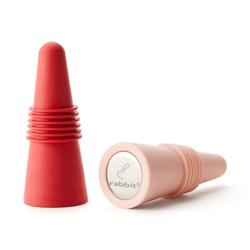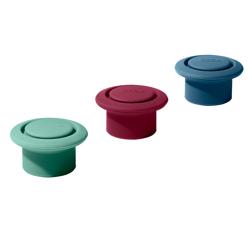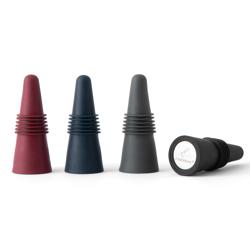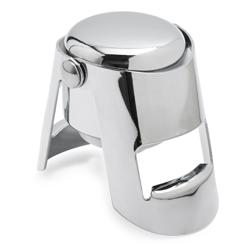
A bottle stopper is a simple, reusable way to seal an opened bottle and preserve its contents between pours. For wine, a well-fitting stopper helps limit exposure to air, which can gradually change the aroma, flavor and freshness of an opened bottle. It is especially useful when a bottle is shared over several meals, when you want to enjoy a glass with dinner without finishing the entire bottle or when you are saving a special vintage for another occasion. Basic silicone or rubber stoppers usually have flexible ridges or a tapered shape that press securely into standard bottle openings. These designs are easy to use, compact to store and versatile enough for many everyday bottles. Some can also be used with oil or vinegar bottles, provided the stopper fits the opening securely and is intended for that type of food use. When choosing a bottle stopper, start with the bottle shapes you use most often. Wine bottles typically have a narrow, consistent neck, but sparkling wine bottles are wider and hold internal pressure, so they require a purpose-built champagne sealer with a locking or clamp-style mechanism. A standard wine stopper should not be used to reseal sparkling wine. For bottles with less common openings, look for a flexible, multi-ring or tapered design that can accommodate small differences in diameter. A snug seal matters more than an ornate finish: the stopper should sit firmly without requiring excessive force and should not wobble, slip out or allow liquid to seep when the bottle is handled. A stopper that creates a reliable seal also helps keep stray refrigerator odors away from wine, fruit-infused vinegar and other aromatic ingredients. Once sealed, store an opened wine bottle upright rather than on its side. Upright storage reduces the chance of slow seepage around the stopper and limits the amount of liquid exposed to the air inside the bottle. Refrigeration can further slow the effects of oxidation on most opened wines, although bringing the wine back to the right serving temperature before pouring will give it a more balanced flavor.
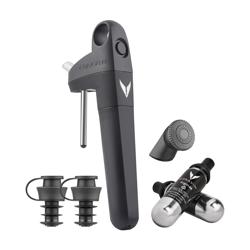
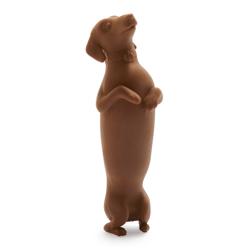
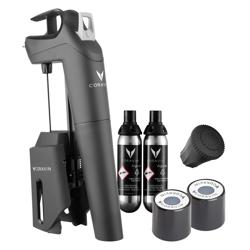
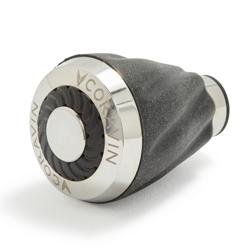
Different stopper styles suit different routines. A straightforward plug is a practical choice for weeknight dinners, casual gatherings and anyone who wants a fast, no-fuss way to close a bottle. Vacuum stoppers use a rubber valve and a hand pump to remove some of the air from the bottle. They can slow oxidation, but they do not preserve wine indefinitely, and the wine’s condition will still depend on its style, age and storage conditions. A vacuum design may appeal to someone who regularly opens several bottles for cooking, tasting or entertaining and wants to extend their enjoyment over the next few days. Decorative stoppers, often finished with a substantial metal, wood or ceramic top, combine everyday function with a more distinctive look. They can add a small detail to a bar cart, dinner table or kitchen counter and make a thoughtful gift for a host, a new homeowner or a friend who enjoys wine with meals. For an especially useful present, consider a collection such as
Wine Stopper Sets, which can give the recipient several options for entertaining, everyday use or keeping an extra stopper on hand. Sets are also convenient for households where more than one bottle may be open at a time. A good bottle stopper does not need to be elaborate to be appreciated. It solves a familiar problem, takes up very little drawer space and makes it easier to enjoy a bottle at a comfortable pace. During warmer weather, a sealed bottle is useful for outdoor meals and relaxed evenings when guests may move between the table and the patio. During the cooler months, it fits naturally into dinners built around braises, roasted vegetables, pasta or a bottle opened to accompany a long meal. Wine lovers may prefer a polished decorative style, while cooks may value a dependable stopper for bottles of finishing oil or flavored vinegar. For someone who entertains often, a sparkling-wine sealer can be a particularly practical addition because it is designed to hold carbonation more securely than a regular plug.
Care and construction are worth considering before making a purchase. Silicone and stainless steel are popular choices because they are durable, easy to wipe clean and resistant to absorbing strong aromas. Many modern stoppers are top-rack dishwasher safe, but care instructions vary, so check the manufacturer’s guidance before placing one in the dishwasher. If a stopper has wood, ceramic detailing or a removable valve, hand-washing may help protect its finish and keep the mechanism working smoothly. Rinse away wine, oil or vinegar soon after use, paying attention to grooves, ridges and the underside of the seal where residue can collect. Allow the stopper to dry completely before storing it, especially if it will be kept in a closed drawer or cabinet. Look for a design with a stable top that is easy to grasp, since a stopper should be simple to remove without twisting the bottle or disturbing sediment in an older wine. A wide handle or textured finish can be helpful for anyone with limited hand strength. If the stopper is intended for oil or vinegar, choose one that pours cleanly and seals without leaving a greasy film on the outside of the bottle. Bottle stoppers are small, but they bring order to the everyday rituals around serving and storing food and drink. They help protect an opened bottle, make entertaining feel more relaxed and offer a practical way to enjoy favorite beverages and ingredients without rushing to use them all at once.