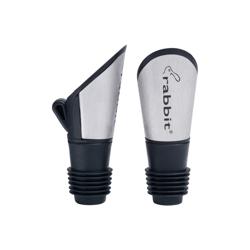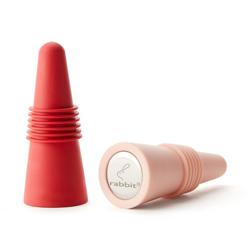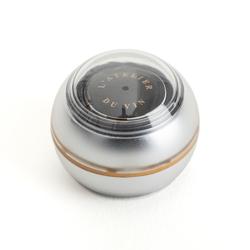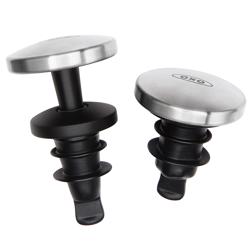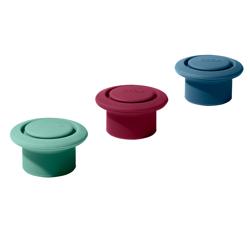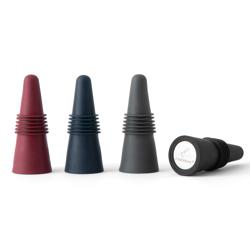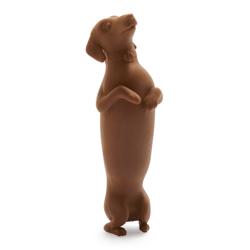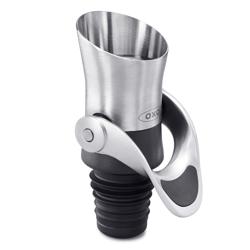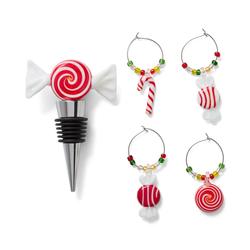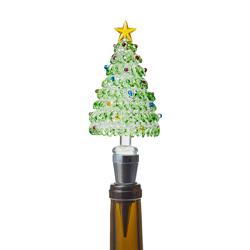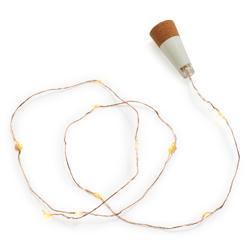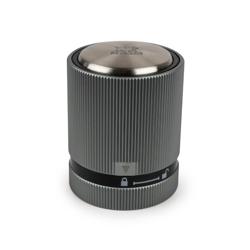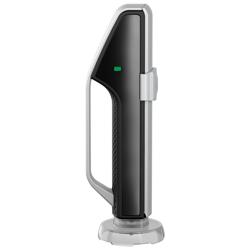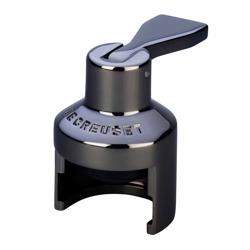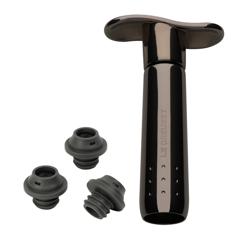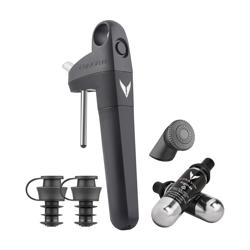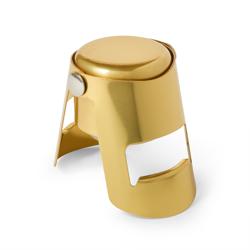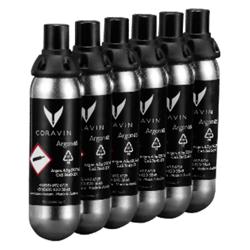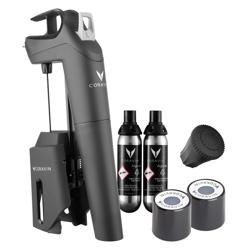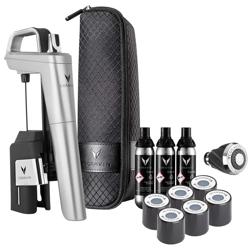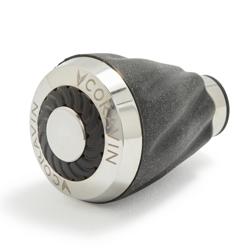
Wine bottle stoppers for home bars help limit oxygen exposure after opening, protecting wine’s flavor between pours. A secure closure and refrigerated storage can help many still wines stay enjoyable for a few days, though freshness depends on the wine, how much remains in the bottle and how it has been stored. For an evening that ends with half a bottle of red beside the cheese board, a stopper makes it easy to put the rest away without struggling to replace the original cork. It is a small accessory with a practical place beside the corkscrew, glasses and other bar essentials, whether your setup is a dedicated cabinet or a tray on the dining room sideboard. Materials influence both the feel of a stopper and how it seals. Flexible silicone can conform to the inside of a bottle neck, while stainless steel offers a durable, easy-to-wipe exterior. Glass and decorative tops bring visual interest to bottles left out during serving, although the part that contacts the bottle opening matters more for sealing than the ornament above it. Cork-based closures offer a familiar feel, but their fit and condition deserve attention as they are reused. A stopper should be comfortable to grasp with damp hands and straightforward to insert and remove; an attractive top is less useful if it makes opening the bottle awkward. Weight also affects handling. A substantial topper may feel satisfying in the hand, while a lighter, lower-profile design can be easier to tuck into a refrigerator door. For a home bar used regularly, the most useful balance is a reliable seal, manageable size and a material that stands up to repeated handling. Decorative details can then complement the room without getting in the way of the everyday task: closing the bottle securely until the next glass. That balance makes a stopper useful for both a quiet dinner for two and a gathering where several wines are open at once.
Fit is especially important because wine bottle openings are not all identical. A closure that sits securely in one bottle may feel loose or require too much force in another, and unusually shaped necks can present an additional challenge. Flexible sealing rings or tapered shapes can accommodate some variation, but no stopper should be assumed to fit every bottle. Consider the wines you tend to serve and the space where opened bottles will go afterward. A tall decorative top may look lovely on a bar cart yet leave too little clearance beneath a refrigerator shelf. A compact closure can be more practical when storage space is tight, particularly if several bottles are open after a tasting or dinner party. Unless a stopper is specifically designed and rated for leakproof storage, an upright bottle is the safer choice; a snug fit alone does not establish that wine can rest on its side without leaking. Still wine and sparkling wine also call for different closures. Sparkling wine needs a stopper designed to retain carbonation and withstand pressure, generally with a mechanism that secures it to the bottle. An ordinary decorative wine stopper is not a substitute, and a vacuum closure intended for still wine is not appropriate for preserving bubbles. For still wines, a simple stopper closes the opening but does not remove the air already inside. Vacuum systems address that differently, though they cannot reverse oxidation or guarantee a fixed storage life. Less wine in the bottle means more space for air, so a nearly empty bottle may change faster than one with only a glass poured. Refrigerating opened still wine, including red wine, slows deterioration; reds can be brought back toward a preferred serving temperature before pouring. These distinctions help match the closure to its intended use, whether that means saving a glass of white for tomorrow’s dinner or keeping sparkling wine lively through a leisurely meal. A stopper is a useful preservation tool, not a promise that every opened bottle will taste unchanged.
Care and construction matter just as much as appearance when a stopper becomes part of the regular dinner routine. Wine can collect around sealing rings, beneath a decorative head or inside a closure mechanism, so accessible surfaces make cleanup easier. Follow the care directions for the particular material and construction rather than assuming every stopper is dishwasher safe. Hand-washing with mild dish soap, rinsing thoroughly and allowing all parts to dry can be a practical approach when the care instructions permit it. Strong lingering odors and soap residue are unwelcome near wine, and a quick wipe of the visible top may leave residue on the sealing surface. Removable components can make cleaning more thorough, provided they are designed to come apart and are reassembled correctly. Silicone should remain flexible and intact, while cork deserves a check for crumbling and metal components for damage or corrosion. Glass tops need protection from knocks against a sink or countertop. Storing clean, dry stoppers together in a small drawer compartment keeps them close to the opener and helps prevent a search while guests are waiting. For households that open more than one bottle at a time, having separate closures ready makes serving simpler and avoids moving a wet stopper between wines. Appearance still has its place: a restrained metal finish can sit comfortably alongside contemporary bar tools, while a sculptural top can add personality to a simple serving tray. Wine stoppers also make thoughtful gifts for a host, a new homeowner or someone setting up a first home bar. The best match reflects the recipient’s habits, including whether they favor sparkling wine, save a glass for another evening or enjoy setting a welcoming table. Paired with a bottle of wine, a well-chosen closure feels useful rather than purely decorative. Explore
Wine Stoppers with those everyday details in mind: a comfortable grip, suitable fit, easy care and a style that feels at home beside the next pour.