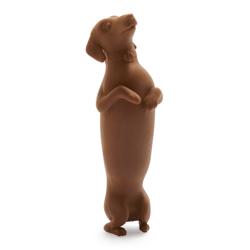
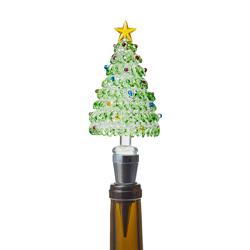
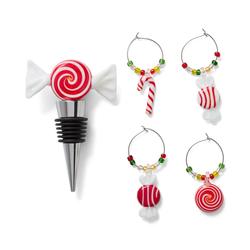
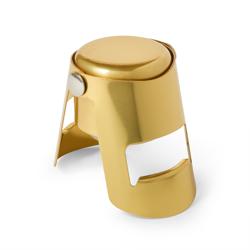
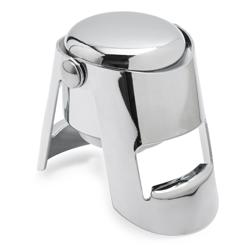
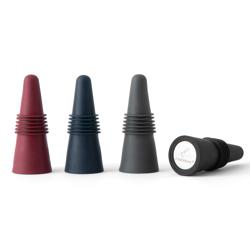
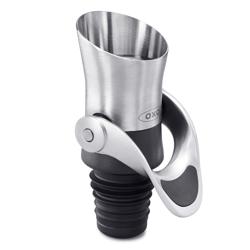
Decorative bottle stoppers are reusable closures that help reseal opened bottles while adding a finishing touch to a dining table, kitchen counter or home bar. A well-chosen stopper combines a secure fit with a top that feels comfortable to hold and complements the setting around it. The decorative portion brings personality to the bottle, while the part seated inside the neck does the practical work of closing it between pours. That combination makes these small accessories useful for everything from a quiet dinner for two to a gathering where several bottles are being shared. A sculptural shape can stand out against simple glassware, while a subtle finish can sit comfortably beside a favorite carafe or serving tray. The effect is especially appealing when a bottle stays on the table: instead of a loose cork resting beside a plate, there is a finished detail that belongs with the rest of the setting. For still wine, a properly fitted stopper helps limit exposure to air after opening, though it does not remove oxygen already inside the bottle or keep wine fresh indefinitely. Refrigerating resealed wine, including red wine, helps slow changes in flavor, and storing the bottle upright reduces contact between the liquid and the closure. A decorative stopper is generally intended for short-term storage rather than aging wine or replacing a purpose-built preservation system. Sparkling wine needs a closure specifically designed to hold pressure; an ordinary decorative stopper should not be used as a substitute. Bottles of spirits, oil or vinegar may also have different closure requirements, so suitability depends on the stopper’s intended use and the shape of the bottle. For a broader look at closure options, explore the
Bottle Stopper collection. The most useful choice is one that suits both the bottle being resealed and the way it will be served, with decoration adding enjoyment rather than getting in the way.
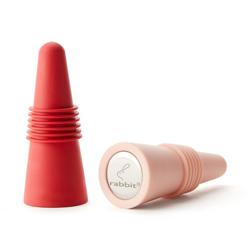
Materials influence everything from the appearance of a decorative wine stopper to how it seals, handles and holds up to repeated use. Flexible silicone can conform to small variations in a bottle opening, and ridges or rings can help create a snug fit when properly sized. Natural cork has a familiar feel and compresses within the neck, though repeated insertion and removal can eventually leave it worn or damaged. Metal stems offer a firm structure, but the sealing surface still matters; a metal body paired with a flexible gasket behaves differently from a rigid tapered closure. Stainless steel is valued for durability and resistance to corrosion, while other metal finishes may require gentler cleaning to protect their appearance. Glass, ceramic, stone and wood can give the decorative top distinct character, whether the preference is for a clear, light-catching accent, a glazed surface or visible natural grain. These materials also bring different handling needs. Glass and ceramic can chip if knocked against a sink, stone can add weight and wood generally benefits from avoiding prolonged soaking. A secure seal should come from the intended sealing section, not from forcing an oversized stopper into a narrow opening. Bottle necks vary, so a universal-fit description should not be taken to mean every bottle shape or size. The height and width of the decorative top matter, too, particularly when a resealed bottle needs to fit beneath a refrigerator shelf or inside a cabinet. A broad top may be easy to grasp but awkward in a crowded door compartment. Care instructions deserve the same attention as appearance, especially when a stopper combines several materials. Hand-washing is often the gentler approach for decorative finishes, but the manufacturer’s directions should determine the method. Cleaning the portion that touches the bottle opening, rinsing thoroughly and allowing it to dry fully helps prevent residue and lingering odors. Occasional checks for cracks, loose components or deteriorating seals help keep a favorite stopper useful. Even a sturdy decorative top should never be treated as a handle for lifting a full bottle.
The appeal of decorative bottle stoppers extends beyond keeping a bottle neatly closed. They offer a small, personal way to make everyday serving feel considered, without requiring a matching set of bar accessories or a formally arranged table. A restrained shape can work alongside patterned dinnerware, while a more expressive design can become the focal point on an otherwise simple drinks tray. Repeating a material or finish already present in the room can make the choice feel connected: a warm wood accent beside a wooden serving board, for example, or a polished surface near clear stemware. Contrast can be just as effective, particularly when a single decorative detail gives a plain bottle some presence. Practicality still belongs in that picture. A stopper used several times during dinner should be easy to grip with dry hands, simple to remove and stable enough that its weight does not make the bottle feel top-heavy. For someone who entertains often, effortless handling may matter more than an elaborate silhouette. For someone furnishing a first home, a durable, easy-care design may become part of a regular dinner routine. These considerations also make bottle stoppers thoughtful gifts for housewarmings, weddings, anniversaries or birthdays when they suit the recipient’s habits. A wine enthusiast may appreciate an attractive closure for bottles enjoyed over a few evenings, while a frequent host may value an accessory that looks at home beside serving pieces already in use. Pairing a stopper with a bottle it actually fits gives the gift a clear purpose, and considering the recipient’s storage space makes it more likely to be used. The strongest choice is not necessarily the most ornate. It is the one whose material, proportions and care needs make sense for the person receiving it, with enough character to bring a little pleasure to the familiar act of pouring a glass and closing the bottle afterward.