Buttercream making classes explore the difference between frosting that simply covers a cake and frosting that feels like part of the celebration. A smooth finish, a soft swirl on a cupcake, or a neatly piped border all begin with understanding the buttercream itself: its texture, sweetness, structure, and relationship to the cake beneath it. These classes appeal to first-time bakers, home cooks who usually leave decorating to someone else, and experienced bakers looking for more consistent results. Someone who makes a birthday cake once a year may want a dependable frosting that spreads without pulling up crumbs. A regular baker might be more interested in a silky finish, balanced flavor, or piping that holds its shape. Different buttercream styles offer different possibilities, and the class description can help clarify which approach a session explores. American buttercream, typically made with butter and confectioners’ sugar, is familiar for its sweetness and versatility. Swiss meringue buttercream starts with egg whites and sugar heated together before whipping, while Italian meringue buttercream uses a cooked sugar syrup added to whipped egg whites. Both meringue-based styles are known for a smooth texture and often taste less sweet than American buttercream, though recipes vary. Understanding those differences gives the techniques a purpose beyond following a recipe. It helps explain why one frosting suits a playful cupcake swirl while another lends itself to a refined layer cake. Depending on the curriculum, instruction may also address flavoring, coloring, and the effect of ingredient preparation on the finished frosting. The value is in connecting what the mixer is doing with what the baker can see and feel. A bowl that looks curdled, a frosting that seems too loose, or a mixture full of air bubbles becomes less mysterious when someone explains what is happening. That understanding can make familiar baking projects feel more manageable and more rewarding.
Decorating adds another dimension to buttercream classes, turning a bowl of frosting into something personal and expressive. A class focused on cake finishing might explore an even crumb coat, straight sides, or a clean top edge; a piping-focused session might emphasize borders, rosettes, lettering, or simple flowers. These are related skills, but they ask different things of the baker. Smoothing a cake involves controlling the angle of a spatula or scraper, while piping depends on pressure, positioning, and a frosting consistency suited to the shape. Guided practice gives those details context. The difference between a crisp shell border and a slumped one can be difficult to understand from a photograph, yet much easier to recognize when watching the movement and comparing the results. For beginners, the most useful progress may be learning to fill and hold a piping bag comfortably or spread frosting without repeatedly lifting crumbs into the surface. More practiced decorators may want to refine symmetry, reduce visible air pockets, or make their finishing work look deliberate rather than overworked. Flavor deserves just as much attention as appearance. Chocolate, citrus, coffee, and fruit can change both the taste and behavior of a buttercream, making flavor-focused instruction especially relevant for bakers who like adapting recipes. A frosting that tastes balanced on its own also needs to complement the sweetness, richness, and texture of the cake. Class descriptions can help distinguish sessions centered on making buttercream from those devoted primarily to decorating with it. They can also clarify whether learning happens through demonstration, hands-on participation, or a combination of the two. That distinction matters for someone who wants to watch a technique closely versus someone hoping to practice it directly. The best match is a class whose focus aligns with a real baking goal, whether that is a smoother celebration cake, more consistent cupcakes, or a better understanding of the frosting that brings everything together.
Buttercream making classes also suit occasions where learning something together is part of the enjoyment. Friends who like baking, couples interested in a shared cooking experience, and family members with a tradition of homemade birthday cakes can all find a reason to explore the craft. For a beginner, the appeal might be the chance to work through an unfamiliar technique without the pressure of having guests arrive in an hour. For a more confident baker, it might be setting aside time to concentrate on details that tend to get rushed at home. A class can also make a thoughtful experience gift for someone who enjoys decorating cupcakes, experiments with cake flavors, or regularly volunteers to bring dessert. Matching the class focus to that person’s interests makes the gesture more personal: a technique-centered session for the curious baker, or a decorating emphasis for someone drawn to color and presentation. The skills have uses well beyond a single occasion, from birthday cupcakes and graduation cakes to an anniversary dessert with a simple piped message. Not every cake needs an elaborate finish. An evenly frosted layer cake with a few well-placed swirls can feel just as considered as a more detailed design, especially when the flavor and texture are right. Bakers interested in exploring a different side of working with butter may also enjoy
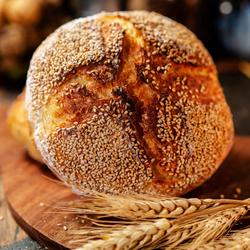
Bread and Flavored Butter Classes, where the focus shifts from sweet frosting to bread and its accompanying spreads. For buttercream, the lasting appeal is the combination of practical understanding and creative freedom. Learning how a frosting behaves makes room for personal choices in flavor, color, and finish. Whether the goal is a dependable family birthday cake or more polished decorating, a well-matched class offers a focused way to build skills that can become part of many celebrations to come.