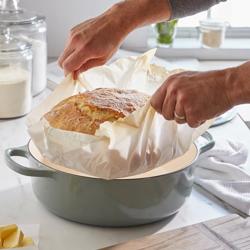
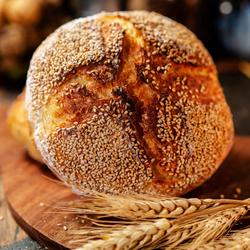
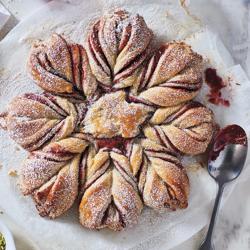
Bread and flavored butter classes pair hands-on bread baking with making sweet or savory compound butter. Depending on the class, you might measure and mix ingredients, knead or fold dough, judge when it has proofed, and shape it for baking. A class built around yeasted rolls may give you practice dividing dough into even portions, while a sourdough session might focus on how a starter works and what to look for as the dough ferments. Seeing those stages in person can clear up some of the advice that sounds simple in a recipe but feels less obvious at the counter. A shaggy dough that looks as though it needs another handful of flour may just need time for the flour to absorb the water. A piece of dough that keeps springing back as you shape it may be easier to work with after a short rest. An instructor can help you notice what’s changing and decide when to keep working and when to leave the dough alone. For rolls, you might cup your hand around a piece of dough and draw it against the counter until the top is smooth. With an airy loaf, the challenge might be shaping it without pressing out the bubbles that formed during the rise. There’s a lot to notice after baking, too. An evenly golden batch of rolls and a deeply browned rustic loaf can both be done, even though they look quite different. Cutting into a loaf once it has rested gives you a chance to see how the crumb, or the bread’s interior, turned out. A fine, even crumb makes sense for a loaf meant to hold a sandwich together; a more open crumb gives a spread little pockets to settle into. Connecting those results to the dough you handled helps make the steps easier to remember when you bake again.
The butter portion of class is a chance to see how much a spread can change the way a slice of bread tastes. Compound butter is softened butter blended with other ingredients, such as chopped herbs, citrus zest, spices, or honey. Mixing it by hand gives you a feel for when the butter is soft enough to work with and how finely to chop an ingredient so it spreads evenly. A little lemon zest can lift an herb butter without making the bread taste distinctly of lemon. Roasted garlic can add a mellow sweetness, while a pinch of salt can bring out the flavor of honey in a butter meant for breakfast. Tasting the butter on bread, rather than straight from the spoon, is particularly useful. A garlic butter that seems assertive on its own may taste balanced on a thick piece of crusty bread, while a delicate spread can get lost against a loaf with a pronounced tang. The texture matters, too: finely chopped chives stay put when you swipe butter across a torn dinner roll, whereas larger pieces tend to drag along with the knife. Depending on the menu, you might also see how a compound butter can be served soft for spreading or chilled and sliced into neat rounds. It’s a technique with plenty of uses beyond the bread basket. A spoonful of herb butter can finish roasted vegetables, and a cinnamon-honey butter can make toast from yesterday’s loaf feel like something worth sitting down for. Leaving the flavor in the butter also lets each person choose how much to add. For a different approach,
Bread Baking Classes for Flavored Breads focus on building flavor into the bread itself, so ingredients such as herbs or spices become part of the loaf rather than something added at the table.
Bread and flavored butter classes suit beginners who want a clearer picture of how dough should feel, as well as home bakers who can follow a recipe but want to know why the same loaf turns out differently from one bake to the next. If your rolls tend to come out in all shapes and sizes, practicing how to portion and shape them can be more useful than trying yet another recipe. If you’re comfortable baking but tend to stick with plain butter, the tasting side of class can give you ideas for what to serve with a loaf you already enjoy making. The mix of baking and tasting also makes these classes a good fit for a date, a birthday outing, or time with a friend who likes to cook. There’s something to do and talk about at each stage, whether that’s comparing how two pieces of dough feel after shaping or deciding which butter works better on the first slice. A class can be a thoughtful experience gift for someone who enjoys hosting brunch or bringing something homemade to dinner. A basket of pull-apart rolls with savory butter fits naturally on a shared table, while a soft loaf and a lightly sweetened spread make an easy addition to brunch. When choosing a class, the bread style in the description can help you decide what you’d most enjoy practicing. Shaping individual rolls gives you a chance to repeat the same motion several times, while a loaf-focused class may spend more time on how to read the rise or handle a larger piece of dough. The pairing is useful even when there’s no occasion on the calendar. Knowing when to handle the dough gently, when to let it rest, and how to mix a butter that complements the bread can make an ordinary meal of soup and a few thick slices feel complete.