-
(116)
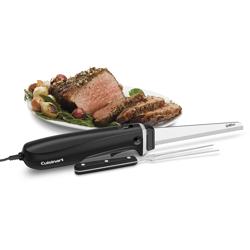
A powerful electric knife set with interchangeable blades for precise and effortless carving.
Pros: ease of use, easy to clean, compact storage
-
(19)
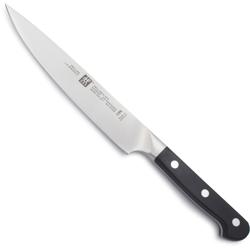
A precision-forged, ice-hardened stainless steel carving knife with a black polypropylene handle.
Pros: sharpness, durability, comfortable handle
-
(85)
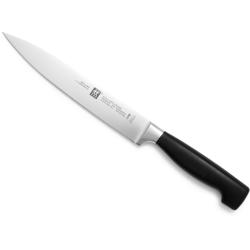
A 8" slicing knife with an angled bolster for enhanced precision, safety, and comfort. Made in Germany.
Pros: sharpness, durability, comfortable grip
-
(19)
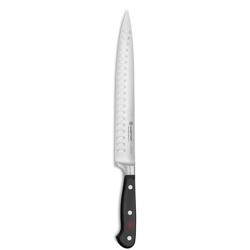
A 9" fully forged Wusthof Classic PEtec Hollow-Edge Slicer with a black handle, made in Germany.
Pros: sharpness, quality, customer service
-
(8)
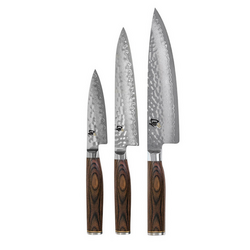
A 3-piece knife set with a paring knife, utility knife, and chef's knife, handcrafted by Japanese bladesmiths.
Pros: sharpness, lightweight, beautiful
-
(7)
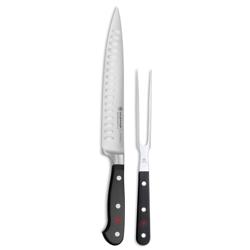
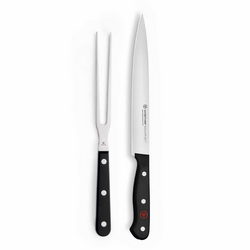
A 2-piece carving set from Wüsthof with a hollow-edge knife and meat fork for easy slicing and secure holding.
Pros: quality, ease of use, sharpness
-
(755)
A 9.5" black chef's knife with FC61 super steel and pakkawood handle, hand-sharpened for precision.
Pros: sharpness, lightweight, balance
-
(516)
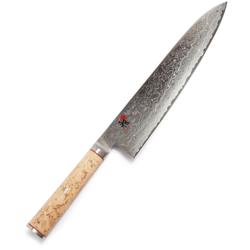
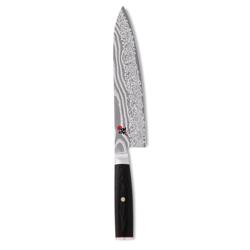
A Japanese chef's knife with a Damascus pattern, a comfortable grip, and a sharp, durable blade.
Pros: sharpness, lightweight, craftsmanship
-
(137)
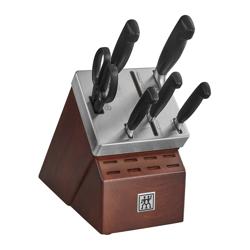
A 7-piece knife set with self-sharpening slots, precision-forged blades, and ergonomic handles for easy kitchen prep.
Pros: sharpness, quality, durability
-
(118)
A versatile santoku knife with a micro-carbide SG2 core for exceptional performance and a beautiful cocobolo-rosewood handle.
Pros: sharpness, comfortable handle, edge retention
-
(98)
A 6" chef's knife made from high-carbon stainless steel with a comfortable, contoured handle.
Pros: sharpness, durable, lightweight
-
(93)
A versatile, high-quality santoku knife with an angled bolster for enhanced precision and comfort.
Pros: sharpness, versatility, durable
-
(90)
A 5" utility knife with a 101-layer steel construction, D-shaped birch handle, and razor-sharp blade.
Pros: sharpness, comfortable handle, balance
-
(80)
A 5" black santoku knife with a unique forged double-bolster design, ergonomic handle, and high-carbon stainless steel blade.
Pros: sharpness, versatility, quality
-
(50)
A 7" Nakiri knife with a 101-layer blade, cryogenically hardened for durability, and hand-finished in Japan.
Pros: sharpness, balance, ease of use
-
(47)
A durable, ice-hardened stainless steel knife with a hollow edge and ergonomic handle in silver.
Pros: sharpness, comfortable handle, clean cuts
-
(37)
A 7" santoku knife handcrafted in Seki City, Japan, designed by Bob Kramer and made with stainless steel.
Pros: sharpness, durability, comfortable handle
-
(35)
A 20-piece knife block set with precision-forged steel blades, optimum balance, and stain-resistant properties.
Pros: variety, durability, completeness
-
(32)
A seven-piece knife set with sandblasted katana edges, pakkawood handles, and a bamboo block.
Pros: sharpness, lightweight, quality
-
(23)
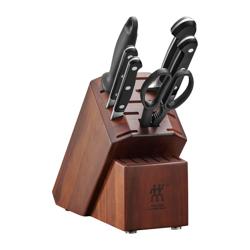
A handcrafted 6-piece knife block set with slimline design, blending ancient Japanese techniques with modern materials.
Pros: smooth cutting, lifetime warranty, joy to work with
-
(18)
A 15-piece knife set with precision-forged blades, ergonomic handles, and an acacia wood block for storage.
Pros: quality, balance, sharpness
-
(16)
A 9-piece knife set with precision forging, stain-resistant handles, and high-carbon steel blades.
Pros: sharpness, durability, good quality
-
(12)
A lightweight, razor-sharp vegetable knife that effortlessly dices, minces, and chops vegetables with precision.
Pros: versatility, excellent quality, balanced
-
(8)
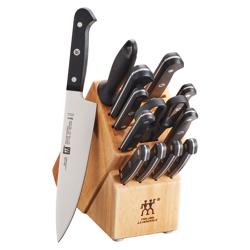
A versatile 11-piece knife set with a beautiful acacia knife block, perfect for any kitchen cutting task.
Pros: quality, sharpness, classic design
Carving Knives
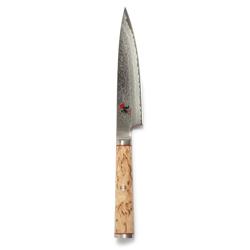
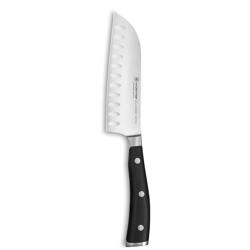
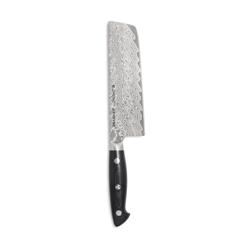
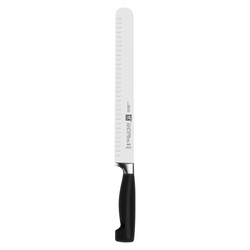
Carving a succulent roast or a perfectly cooked turkey is an art form that requires precision and skill. To achieve those flawless, thin slices, you need these top-notch carving knives that effortlessly glide through meat, leaving behind clean and uniform cuts. From expertly crafted blades to ergonomic handles designed for comfort and control, these carving knives are bound to impress even the most discerning chefs.
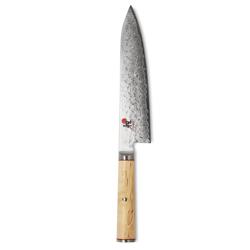
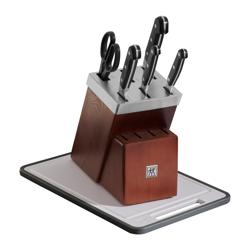

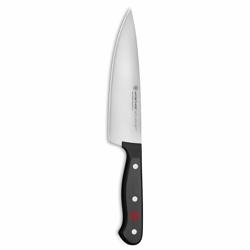
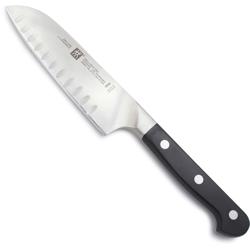
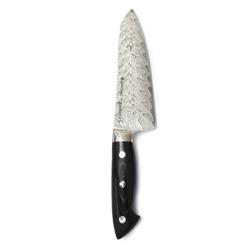
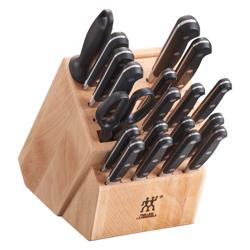
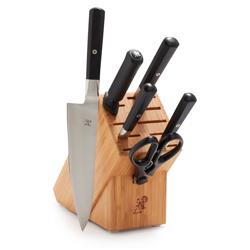

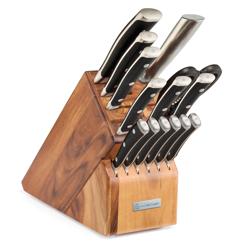

Carving Knives
FAQ List
To maintain the sharpness of a carving knife, it is recommended to hand wash it with mild soap and warm water, immediately dry it thoroughly, and store it in a knife block or sheath. Avoid using abrasive cleaners or putting it in the dishwasher, as these can dull the blade.
Absolutely! While carving knives are primarily designed for slicing through meat, they can also be used for slicing large fruits and vegetables, such as watermelons or butternut squash. Their long, thin blades make them versatile tools for various kitchen tasks.
The main difference between a carving knife and a chef's knife lies in their shape and purpose. Carving knives have longer, narrower blades specifically designed for slicing cooked meats and poultry. Chef's knives, on the other hand, have shorter, wider blades that are more versatile and suitable for a wide range of tasks, including chopping, dicing, and mincing.
While a serrated bread knife can certainly be used for carving, a dedicated carving knife offers certain advantages. Carving knives typically have thinner blades, allowing for more precise and cleaner cuts. They also often have longer blades, which are ideal for slicing larger roasts or turkeys. So, while a bread knife can work in a pinch, a carving knife is a specialized tool that can enhance your carving experience.
When carving meat with a carving knife, it is essential to start with a well-rested roast or cooked poultry. Begin by making thin, even slices against the grain of the meat, using long, smooth strokes. It's important to maintain a steady hand and let the knife do the work, rather than applying excessive pressure. By following these techniques, you'll be able to achieve beautifully carved meat with minimal effort.
-
"Completing the set because it's the best knife. Great for everything and anything"
-
"I have to say, that this is the best I have ever used. Very happy with it"
-
"Great blade but my tip is chipped"
-
"These are by far the best knives I have ever had. Amazing quality and very very sharp. Love these"
-
"Love it! Best chef's knife I have ever used and absolutely beautiful"