-
(5)
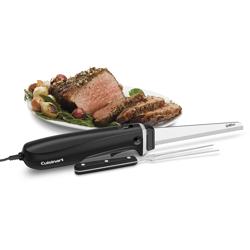
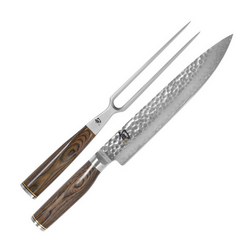
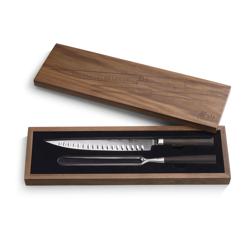
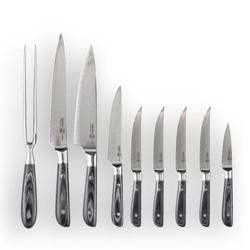
A razor-sharp carving knife and durable carving fork set, handcrafted by skilled Japanese bladesmiths.
Pros: beautiful, quality, carving ability
-
(7)
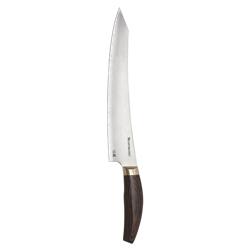
A 10" slicing knife made from durable SG2 steel, perfect for carving meats and fish.
Pros: sharpness, appearance, comfortable handle
-
(2)
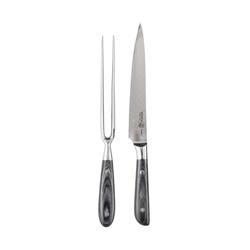
A striking silver Damascus carving set featuring VG10 stainless steel blades and elegant Ebony Pakkawood handles.
Pros: appearance, versatility, clean cuts
-
(93)
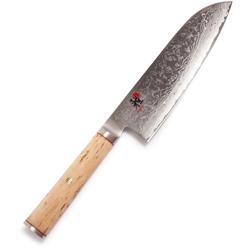
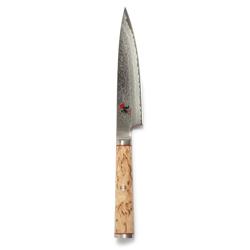
A 5" utility knife with a 101-layer steel construction, D-shaped birch handle, and razor-sharp blade.
Pros: sharpness, comfortable handle, balance
-
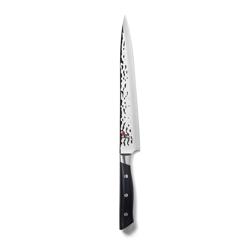
A hand-hammered carbon steel slicer with a wide blade and black handle for effortless carving.
-
(23)
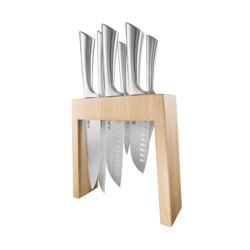
A 6-piece knife set with TSUCHIME finish and bamboo block for easy storage.
Pros: quality, lifetime warranty, sharpening service
-
(1)
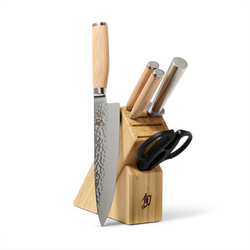
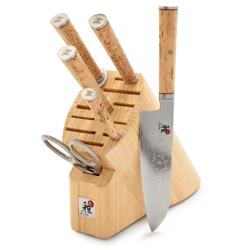
A handcrafted Japanese knife set with five essential knives and tools, all in an attractive bamboo block.
Pros: appearance, balance, ease of cutting
-
(5)
A versatile carving set with exceptionally sharp, handcrafted blades and comfortable African Blackwood handles.
Pros: appearance, quality, performance
-
(4)
A striking silver knife set featuring VG10 Japanese stainless steel blades and ergonomic Ebony Pakkawood handles.
Pros: appearance, sharpness, practical
-
(13)
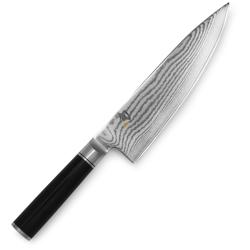
A powerful, versatile chef's knife with a Damascus-clad blade and D-shaped pakkawood handle.
Pros: sharpness, quality, durability
-
(13)
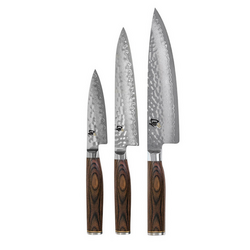
A 3-piece knife set with a paring knife, utility knife, and chef's knife, handcrafted by Japanese bladesmiths.
Pros: sharpness, quality, lightweight
-
(124)
A 7-piece knife set with a delicate Damascus pattern, hand-honed blades, and a genuine hamon edge.
Pros: sharpness, beautiful design, quality
-
A tan stainless steel knife with a long, narrow blade for precise, effortless slicing.
-
(5)
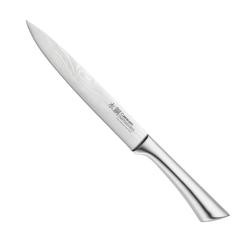
A stainless steel carving knife with a seamless silver handle designed for smooth, precise slicing of meats.
Pros: sharpness, quality, easy to use
-
(119)
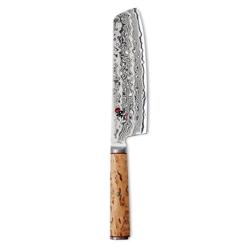
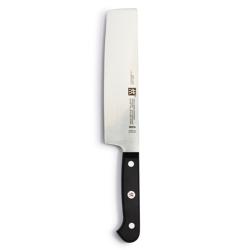
A 7" Japanese-style vegetable cleaver with a Damascus patterned blade and comfortable Masur birch handle.
Pros: sharpness, balance, aesthetic
-
(42)
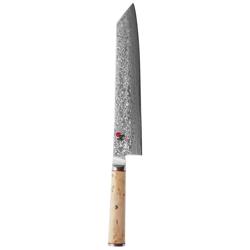
A traditional Japanese-style kiritsuke knife with a 9.5" blade, featuring 101 layers of steel and a comfortable birch handle.
Pros: sharpness, appearance, balance
-
(37)
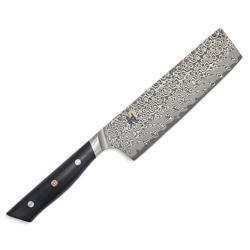
A 6.5" Nakiri knife with a 49-layer Damascus pattern and ergonomic triple-riveted handle for precision cutting.
Pros: sharpness, appearance, comfortable handle
-
(47)
A 6.5" Japanese-style vegetable cleaver with a faceted pakkawood handle and FC61 stainless steel blade.
Pros: sharpness, versatility, lightweight
-
(533)
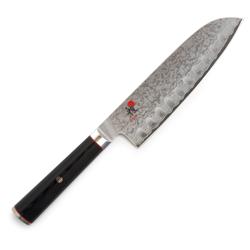
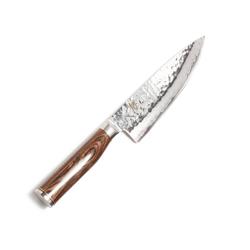
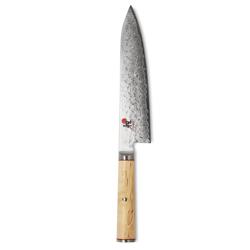
A Japanese chef's knife with a Damascus pattern, a comfortable grip, and a sharp, durable blade.
Pros: sharpness, lightweight, craftsmanship
Japanese Carving Knives
Whether you're a professional chef or a home cook looking to elevate your culinary skills, Japanese carving knives are an essential tool for precision and artistry in the kitchen. With their exceptional sharpness, balance, and exquisite craftsmanship, these knives make carving meats, poultry, and fish a breeze. Discover the traditional Japanese techniques and centuries-old craftsmanship that go into creating these remarkable blades. From single-bevel designs to Damascus steel patterns, explore our collection of Cutting Knife that are sure to impress both in performance and aesthetic appeal.



Japanese Carving Knives
FAQ List
A gyuto knife is a versatile, all-purpose knife that can be used for various tasks such as slicing, dicing, and chopping. On the other hand, a yanagiba knife is specifically designed for slicing raw fish and making sashimi. It has a long, thin blade that allows for precise and clean cuts.
To ensure the longevity of your Japanese carving knife, it is important to properly care for it. After each use, wash the knife by hand with mild soap and warm water, then dry it thoroughly. Avoid using abrasive materials or harsh cleansers that can damage the blade. Additionally, storing the knife in a knife block or on a magnetic strip will help protect the blade from damage.
While Japanese carving knives are primarily designed for carving, they can also be used for other tasks in the kitchen. Their sharpness and precision make them suitable for slicing meats, fish, and vegetables. However, it is important to note that these knives are delicate and may not be suitable for heavy-duty tasks such as chopping through bones or hard vegetables.
Yes, many Japanese carving knives are designed to be ambidextrous and can be used comfortably by both right-handed and left-handed individuals. However, it is always a good idea to check the product specifications or consult with the retailer to ensure that the knife you choose is suitable for your specific needs.
Japanese carving knives are known for their exceptional sharpness, but like any other knife, they will eventually require sharpening. The frequency of sharpening depends on factors such as usage and maintenance. It is recommended to sharpen your Japanese carving knife regularly to maintain its performance. Professional sharpening services or sharpening stones specifically designed for Japanese knives can help you keep your knife in optimal condition.
-
"Love this knife!! Lightweight! Cuts amazingly"
-
"Best electric knife I've ever had. Cuts easily and cleanly"
-
"Love the Santoku style which is a bit lighter than the chef's knife and also sharper"
-
"The best knives I have had to date"
-
"Great sturdy and very sharp knife. Love it"