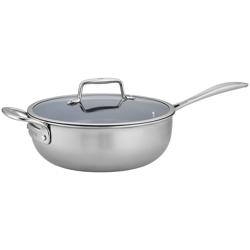
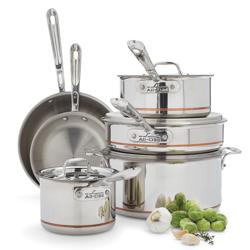
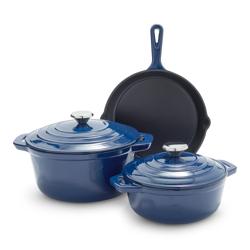
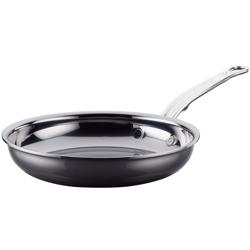
Ceramic cookware gifts bring together practical cooking surfaces, appealing color and the pleasure of making everyday meals with tools that suit the cook. They can be thoughtful choices for someone setting up a first kitchen, a couple combining households or an experienced home cook ready to replace well-used cookware. The best fit depends on the recipient’s stovetop, favorite meals, household size and storage space, along with the care the cookware needs. Most ceramic nonstick cookware has a metal body, commonly aluminum, finished with a ceramic-based coating; it is not the same as solid ceramic cookware or glazed ceramic bakeware. That metal body conducts heat, while the coating provides a smooth surface that helps delicate foods release with a modest amount of cooking fat. For someone who enjoys soft scrambled eggs, golden pancakes or fish fillets that reach the plate intact, those qualities have an everyday purpose. Ceramic-coated cookware also comes in finishes that can feel at home in an open kitchen, whether the recipient prefers quiet neutrals or a little color beside the stove. Appearance makes the gift personal, but comfort and functionality are what make it useful long after the wrapping is gone. A balanced handle, a manageable weight and a cooking surface sized for familiar recipes all deserve attention. Someone cooking dinner for one may appreciate compact cookware that is easy to lift and tuck away, while a household preparing several portions needs enough room to cook without crowding. A coordinated collection can help furnish a new kitchen, but a smaller gift can be just as thoughtful when it fills a genuine gap. During the cooler months, cookware that moves easily between breakfast, a warm lunch and a relaxed supper earns its place through repeated use. The appeal is less about changing how someone cooks and more about making the meals they already love a little easier to prepare.
Materials and construction help distinguish ceramic cookware gifts that look similar at first glance. Aluminum bodies generally respond readily to changes in burner temperature, while the thickness of the body and the design of the base influence weight, heat distribution and handling. A substantial base can support even cooking, though it also adds weight that may matter to someone who prefers lighter cookware. Stovetop compatibility is especially important when choosing a gift: ceramic coating alone does not make cookware induction compatible. An induction cooktop requires a suitable magnetic base, so the manufacturer’s compatibility information is the deciding detail. Oven suitability also varies, and the stated temperature limit may differ for the cookware, its lid and its handles. For a recipient who starts food on the stove and finishes it in the oven, those distinctions affect how comfortably the gift fits into an established routine. Shape matters just as much as material. A broad cooking surface gives vegetables room to brown rather than steam, while deeper sides help contain a simmering sauce or a generous portion of grains. Well-fitting lids are useful for covered cooking, and handles should leave enough space for a secure grip with an oven mitt when needed. Storage deserves the same practical attention. In a small apartment, cookware that fits an existing cabinet without an awkward balancing act may be more welcome than a large collection. For someone who cooks several dishes at once, a useful mix of capacities may matter more than matching every piece. Coating claims should be considered separately from these construction details. Ceramic nonstick coatings are often marketed as made without PFAS, but any such claim should be confirmed in the manufacturer’s specifications rather than assumed from the word “ceramic.” Broad descriptions such as “chemical-free” do not meaningfully explain cookware materials or performance. Clear information about the coating, compatible heat sources and recommended use gives a more useful picture of what the recipient can expect.
With appropriate care, ceramic cookware can become a dependable part of a daily cooking routine, but its nonstick surface is not permanent. Release performance can diminish with wear, and actual longevity depends on construction, frequency of use, cooking temperatures and cleaning habits. Low to medium heat is generally recommended for ceramic nonstick cooking, with the manufacturer’s directions taking priority. Prolonged high heat or heating an empty pan can damage the coating and shorten its useful life. A little butter or oil, used as directed, can help with cooking and flavor; aerosol cooking sprays are often discouraged because they can leave residue that is difficult to remove. Wood or silicone utensils are gentle choices for stirring, turning and serving without scraping the surface. After dinner, allowing cookware to cool before washing helps avoid the abrupt temperature change of putting a hot pan under cold water. A soft sponge and mild dish soap are usually enough for routine cleanup, while a brief soak can loosen stubborn food without abrasive scrubbing. Even when cookware is labeled dishwasher safe, hand-washing is often recommended to help preserve the finish. Protective layers between nested pieces can also reduce scratches during storage. These habits make ceramic cookware a particularly good gift for someone who appreciates easy food release and is comfortable giving a coated surface a little care. It may be less suited to a cook whose favorite techniques involve intense heat, frequent metal-utensil use or hard scrubbing. For someone who especially enjoys high-heat searing and cookware that holds heat well,
Cast Iron Cookware Gifts offer another direction to explore, with different weight and maintenance considerations. Ceramic cookware has its own place in a kitchen: easing a tender omelet onto a plate, warming a sauce gently or helping a quick vegetable supper come together with straightforward cleanup. A well-chosen gift reflects those real moments. Matching the cookware to the recipient’s habits, rather than choosing by color or collection size alone, turns an attractive kitchen gift into something they can reach for with confidence.