-
(137)
Gave my husband lessons as part of his sixtieth birthday celebration we had a great time our instructor...already planning his first batch this weekend of which I will be the lucky recipient, thank you for a great...What a great class! Chef Eric was...
-
(61)
Great class, learned new things that I will be using at home!...Would love some stools or chairs to give the feet a break.
-
(4)
I love these online classes, tips and tricks from the professionals that really help you to nail it!...Great experience!
-
(12)
Our croissants turned out great. I thought it was a little slow, but not the fault of the chef....Great class!
-
Cooking Class Description: Indulge your sweet tooth in this chocolate-filled baking experience. You’ll bake a deeply rich Flourless Chocolate Torte, layer dark, milk and white chocolate mousse and craft crisp honeycomb candy coated in glossy chocolate....
-
(20)
Great class!...Great explanations and demonstrations of techniques....Excellent class with great baking advice! I look forward to my next class.
-
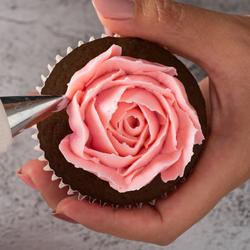
Cooking Class Description: Learn to create a beautiful bouquet of edible roses and flowers in this class! First, you’ll learn to make moist chocolate cupcakes as a base for your floral buttercream decorations. Then, our chef instructor will teach you...
Chocolate Pastry Baking Classes
Explore chocolate baking classes focused on pastry, from flaky dough wrapped around chocolate to airy puffs with a chocolate finish. Compare menus and techniques to find a baking project that interests you, whether you're learning for your own kitchen or planning a culinary experience to share.



Best Of FAQ
Pastry classes generally focus on doughs, shaping, fillings and assembly, while cake classes center on batters and may include frosting or decorating. Choose pastry if you're curious about layers, shells or filled doughs; compare cake menus if you'd rather explore cake-making techniques.
Look for any experience guidance in the class description and review the techniques on the menu. If a method is new to you, such as laminating dough or piping pastry, check with the cooking school about whether the lesson suits your background.
Not necessarily. A pastry class may teach a dough through both sweet and savory recipes, with chocolate featured in only part of the menu. Read the complete menu to understand the balance before choosing.
Review the class format, listed time zone and preparation instructions. Check any ingredient and equipment lists so you understand what you'll need to gather and which steps, if any, should be completed before the lesson.
Use the techniques you practice as a foundation for another project, whether that's shaping dough, piping shells or pairing a filling with chocolate. Start by repeating the method with a suitable recipe, then explore different flavor combinations as you become more comfortable.
-
"We had a great time! Chef Avenly was very personable and easy to follow"
-
"Great bonding experience with easy enough recipes (but not that easy where she lost interest"
-
"Excellent class with great baking advice! I look forward to my next class"
-
"Great class"
-
"Liz was a great teacher and we got tons of hands on experience making all three desserts"