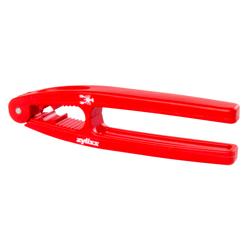
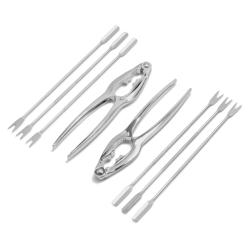
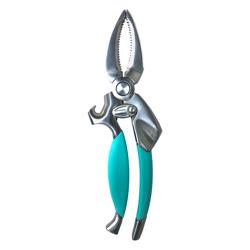
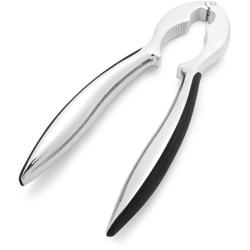
Crab and lobster crackers are handheld seafood tools that break hard shells so the tender meat inside is easier to reach. Designed for shell-on meals, they provide leverage for opening lobster claws, crab claws and thicker sections of crab legs without relying on a dinner fork or knife. Their hinged construction concentrates pressure between two gripping surfaces, while ridges or teeth help hold a curved shell in place. That combination makes them useful at a shared seafood feast, a quiet lobster dinner or a table piled with steamed crab and drawn butter. The best fit depends on the seafood being served and how the cracker feels in the hand. A wider opening accommodates larger claws, while narrower gripping areas can offer better contact with smaller sections. Designs with more than one gripping position give diners options when the platter includes shells of different sizes. Handle length also matters: longer handles can provide more leverage, but a comfortable span is just as important as overall size. A substantial cracker should feel balanced rather than awkward, with enough room for fingers to close around the handles securely. Textured surfaces can be helpful when hands are damp or buttery, though comfort depends on the shape and finish as much as the texture itself. For diners with smaller hands or limited grip strength, a manageable handle span and smooth hinge action deserve particular attention; a heavy tool is not automatically an easier tool to use. The goal is controlled pressure that opens the shell without needlessly crushing the meat beneath it. That matters with a generous lobster claw, where keeping the meat intact makes both extraction and presentation more satisfying. Crackers work best where the shell offers enough substance for the jaws to grip, rather than as a universal tool for every delicate leg or thin section. A well-matched design earns its place beside the plate by making the hands-on part of a seafood meal feel more comfortable and less improvised.
Materials and construction influence how seafood crackers feel at the table and how they hold up between meals. Stainless steel is worth considering for its strength and resistance to corrosion, especially for tools that regularly encounter salty cooking liquid and repeated washing. Cast aluminum can offer a lighter feel, while the performance of any metal cracker also depends on its thickness, hinge construction and surface finish. Material alone does not tell the whole story. A securely fitted hinge helps the jaws meet consistently, and gripping surfaces need enough definition to hold a shell without feeling rough where the fingers rest. Solid-feeling handles are particularly useful for larger claws, where flexing or an unstable grip can make pressure harder to control. Smooth edges around the handles and accessible spaces near the hinge also make a difference during cleanup. Seafood juices, butter and small shell fragments can collect in grooves, so a design that is easy to rinse and inspect has practical value beyond its appearance. Dishwasher-safe construction may be convenient for frequent entertaining, but care requirements vary by material and finish. The care instructions should determine whether a cracker belongs in the dishwasher or needs hand-washing. Thorough drying, especially around the pivot and inside textured jaws, helps protect the tool before storage. Stainless steel resists corrosion but is not immune to damage from prolonged moisture or harsh cleaning products, and coated surfaces may need gentler treatment to preserve their finish. A dry drawer or utensil organizer keeps crackers ready for the next meal without leaving them buried beneath damp tools. Durability is also about continued function: the hinge should move smoothly, the jaws should remain aligned and the handles should feel secure under ordinary use. For households that serve shellfish often, those everyday construction details are more meaningful than decorative weight alone. For occasional dinners, a straightforward, easy-care design can be equally useful, particularly when it stores neatly with other serving utensils instead of requiring a separate place in the kitchen.
At the table, crab and lobster crackers are part of a small collection of tools that make shell-on seafood easier to enjoy. Crackers open the hard exterior; slender forks and picks reach into joints, narrow legs and the curves of a claw to retrieve meat that fingers cannot easily grasp. Pairing crackers with
Seafood Forks & Picks gives each tool a clear purpose and helps diners make the most of the seafood on their plates. This is especially useful when a meal includes a mixture of large claws and smaller, less accessible pieces. For entertaining, the number of place settings matters as much as the size of the serving platter. A cracker within comfortable reach keeps guests from having to pass one tool around while their food waits, and a nearby bowl for empty shells helps keep the table usable throughout the meal. Small dishes of butter or sauce, generous napkins and plates with room for both seafood and discarded shell make the setting feel considered without becoming formal. Cracking shells can release juices and small fragments, so a little space between place settings is welcome. The same tools suit different dining styles, from a newspaper-covered table shared with friends to individual lobster plates set out for an anniversary dinner. Their appeal is practical rather than limited to a particular occasion: anyone who enjoys preparing or serving whole lobster, crab claws or substantial crab legs can appreciate having the appropriate tool close at hand. They can also make a thoughtful gift for a seafood enthusiast, a home cook who enjoys hosting or someone building a collection of useful entertaining pieces. Comfortable handling and straightforward care keep that gift useful after the first dinner. Whether the meal is an elaborate spread or simply two plates of crab legs, well-chosen seafood crackers help keep attention on the sweet meat, the conversation and the pleasure of taking time over a meal worth working for.