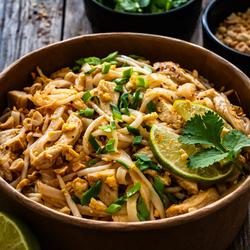
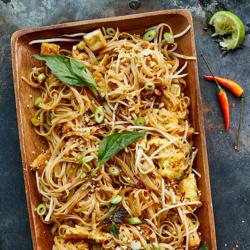
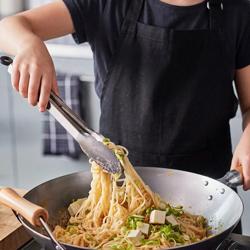
Cooking classes for Thai winter dishes focus on the fragrant soups, satisfying curries, and savory noodles that make a cold-weather meal feel generous and comforting. They offer a hands-on way to explore Thai cooking through its characteristic balance of salty, sour, sweet, and spicy flavors, with attention to aroma and texture as well as heat. These dishes are enjoyed beyond winter in Thailand, but their steaming broths, tender vegetables, and rich sauces translate naturally to a winter table. Depending on the menu, a class might explore tom kha gai, a chicken soup made with coconut milk, galangal, and fragrant aromatics, or tom yum, known for its lively hot-and-sour broth. Learning about these soups introduces an important distinction: richness can soften a dish, while acidity can make it feel bright without taking away its comforting character. Curry-focused classes can offer a different perspective. Panang curry often has a thick, concentrated sauce, while green curry brings together fresh chile flavor, herbs, and aromatics in a dish commonly made with coconut milk. Not every Thai curry contains coconut milk, and exploring those differences helps build a more rounded understanding of the cuisine. Noodle dishes add another kind of comfort, whether the menu features the broad rice noodles of pad see ew or the sweet-sour balance of pad Thai. Northern Thai dishes such as khao soi, with its curry broth and contrasting soft and crisp noodles, can introduce regional flavors and textures when included in a class menu. Rather than treating Thai food as uniformly fiery, these experiences reveal how different ingredients work together and why a little more lime, a touch of sweetness, or a savory seasoning can change the way a dish tastes. The appeal is both immediate and practical: an engaging cooking experience built around food that feels at home on a winter dinner table, along with a clearer sense of how to recreate those flavors.
The most useful learning often happens in the small decisions that a recipe cannot fully explain. In an instructor-led Thai cooking class, that might mean noticing how an aromatic changes as it cooks, recognizing when a sauce has become too concentrated, or understanding why noodles need a different approach from a gently simmered soup. A menu centered on winter-friendly Thai dishes can bring several of these lessons together in one meal. Lemongrass, galangal, and makrut lime leaves are good examples of ingredients whose fragrance matters as much as their appearance. Working with them helps explain why some aromatics are bruised or sliced for infusing a broth, while others are finely chopped or pounded into a paste. Their textures also matter; a piece used to perfume a soup is not necessarily intended to be eaten. Curry preparation offers opportunities to explore how aromatic pastes develop flavor and how the cooking method changes with the style of curry. A coconut-based sauce calls for different judgment than a clear broth, and neither benefits from treating every stage as a race over high heat. Noodle-focused lessons bring attention to preparation, moisture, timing, and manageable batch sizes—the details behind noodles that stay distinct instead of becoming a tangled, overly soft mass. Tasting throughout the process is another valuable skill. A soup that seems heavy may need acidity rather than extra chile, while a sauce that tastes sharply sour may need its other seasonings brought into balance. These are sensory lessons, not simply measurements to memorize. Classes can also show how a finished meal comes together: rice alongside a richly seasoned curry, fresh herbs against a warm broth, or a crisp garnish over tender noodles. Understanding those contrasts makes the experience useful beyond a single menu. It gives home cooks a more confident way to assess flavor, recognize texture, and coordinate several components so dinner reaches the table with each part at its best.
Thai winter cooking classes can suit curious beginners, home cooks ready to move beyond familiar dinners, and anyone who enjoys learning through a shared meal. Someone who regularly orders Thai takeout might appreciate discovering what gives a favorite soup its citrusy fragrance or how a noodle sauce achieves depth without becoming heavy. A more experienced cook might be drawn to regional differences, aromatic preparation, or the challenge of balancing a curry by taste. For couples, the shared tasks and built-in conversation can make a class a relaxed winter date-night experience. Friends can enjoy working toward a meal together, while a solo attendee can focus on a new skill in a setting organized around cooking. A class can also make a thoughtful experience gift for a birthday or another personal celebration, especially for someone who values time spent learning more than another possession. The menu and techniques described for each class help set expectations, whether the main interest is soup, curry, noodles, or a broader meal. Dietary preferences deserve attention, too: fish sauce, shrimp paste, eggs, peanuts, wheat, and other ingredients may appear in Thai dishes, even when their presence is not obvious from the dish name. Reviewing the class details and asking about dietary needs beforehand helps establish whether the experience is a good fit. Beyond the class itself, these skills lend themselves to cozy dinners for two, a pot of fragrant soup shared with friends, or a weekend meal with several dishes served at the center of the table. For a different seasonal focus,
Thai Cooking Classes for Late Summer offers another way to explore the cuisine. Winter-focused classes have their own particular appeal: time spent cooking, fragrant steam rising from the stove, and a satisfying meal that connects new techniques with the pleasure of sitting down to eat.