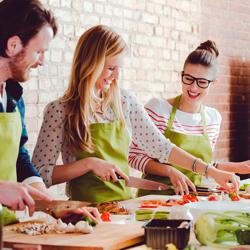
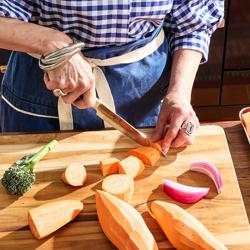
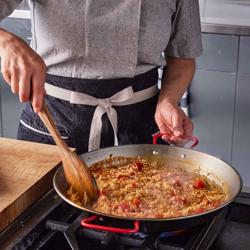
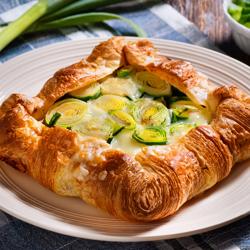
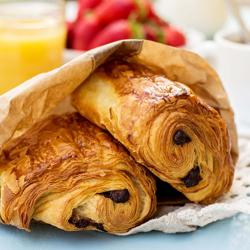
Fall baking class gifts for newlyweds bring together two things that make a wedding gift feel especially meaningful: time spent together and practical tools they can continue using long after the class ends. During the cooler months, a baking lesson can turn an ordinary evening into a shared ritual, with the couple learning how to shape a flaky crust, fold apples into a tender cake, or work with yeast to make a fragrant loaf from scratch. An in-person class offers the energy of a hands-on kitchen, where an instructor can demonstrate techniques, answer questions, and help new bakers feel comfortable with tasks that may seem intimidating at home. A virtual class can be just as inviting for couples who prefer a relaxed night in, especially when the ingredients and equipment are easy to gather ahead of time. Look for classes built around approachable seasonal recipes, such as fruit-filled pies, rustic tarts, cinnamon rolls, enriched breads, or warmly spiced cakes. These subjects are festive without being limited to a single holiday, making them useful throughout early fall, the holiday season, and the weeks that follow. A class designed for two also gives newlyweds a chance to divide and share kitchen jobs naturally: one person can prepare the filling while the other rolls dough, or they can take turns mixing, shaping, and decorating. That small sense of teamwork often becomes part of the gift itself. If the couple is new to baking, an introductory course with clear demonstrations and time for practice is usually the best choice. More experienced home cooks may appreciate a class focused on pastry, artisan bread, decorative finishing, or a technique they have not yet tried. When selecting an experience, consider the format, location, scheduling flexibility, ingredient requirements, and whether the class includes what they make. A gift certificate can be a thoughtful option when the couple’s calendar is still taking shape after the wedding, while a scheduled class can feel more celebratory when you know they enjoy planning ahead.
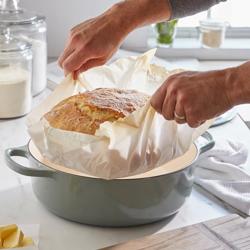
Pairing a baking class with kitchen essentials makes the experience easier to repeat at home and gives the newlyweds something tangible to unwrap. Choose pieces that support the recipes taught in class rather than filling their kitchen with items they may rarely use. For pie and pastry lessons, useful companions include a sturdy pie dish, a pastry blender, a rolling pin, a bench scraper, or a set of measuring tools. A well-shaped dish helps a crust bake evenly and can move comfortably from oven to table, while a pastry blender makes it easier to work cold butter into flour without warming the dough too much. For bread-focused classes, a heavy covered baking vessel, a dough scraper, a proofing basket, or a reliable instant-read thermometer can help the couple build confidence with dough. Bread baking often rewards patience: the kitchen gradually fills with the scent of toasted flour and a crisp crust, and even an imperfect first loaf can become a story they remember. General-purpose bakeware is also a strong choice for newlyweds who are establishing a kitchen, including durable baking sheets, cooling racks, mixing bowls, and oven-safe measuring pieces. Prioritize materials that are comfortable to handle, simple to clean, and versatile enough for everyday recipes. A couple with limited storage may prefer a few hardworking essentials over a large collection of specialty tools. It is also worth considering how the gift fits their cooking habits. A compact set may suit an apartment kitchen, while larger bakeware or a substantial covered pot may be welcome for couples who regularly host friends and family. Neutral colors and classic shapes tend to blend easily with an existing kitchen, and pieces that can go from oven to serving table help keep preparation simple when the couple is sharing dessert with guests. For additional inspiration around experience-based gifts for a group setting, explore
Fall Baking Class Gifts for Team Building.
The most successful Fall Baking Class Gifts for Newlyweds feel personal without requiring you to know every detail of the couple’s kitchen. Think about the kind of food they enjoy making together, the amount of counter space they have, and whether they are likely to bake for quiet weekends or larger gatherings. A couple who loves farmers market fruit may enjoy a class centered on apples, pears, or stone fruit, along with bakeware suited to tarts and cobblers. Newlyweds who like cozy breakfasts may get more use from a bread or pastry workshop paired with tools for rolls, biscuits, or morning loaves. For those who entertain, consider versatile serving-friendly pieces that allow a finished bake to be presented straight from the oven, along with practical accessories for slicing, cooling, or transporting it. A cookbook can complement the class when it focuses on foundational methods and dependable recipes rather than a narrow collection they may outgrow, and a handwritten note can suggest a first project to try together after the lesson. Experience gifts are especially helpful when a couple already has a well-equipped kitchen, while physical baking tools can make a class gift feel more complete for newlyweds still building their collection. If you are combining both, give the class information and the kitchen item together so the connection is clear: the pastry tool is for practicing the techniques they will learn, and the covered baking vessel is for making that first loaf at home. Keep timing in mind as well. Early fall classes can capture the first crisp evenings and fresh orchard flavors, while later sessions can suit cozy weekends spent baking for gatherings and celebrations. Flexible booking or a generous redemption period can make the gift more enjoyable, particularly during a busy newlywed year. Above all, choose something that invites the couple into the kitchen without adding pressure. The best gift may be a beautifully browned crust, a flour-dusted countertop, and the simple pleasure of sitting down together to taste what they made.