-
(94)
Great class; great pie...This was a great class, and loved having pie at my Thanksgiving dinner!...Great pastry chef (Anna)! Delicious pie!!
-
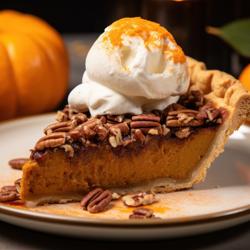
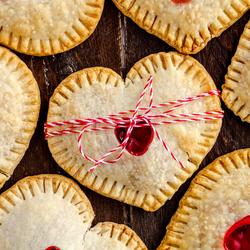
Cooking Class Description: Want a slice of pumpkin or pecan pie? You’ll never have to decide again after this baking class! Our chef instructor will teach you how to create a decadent filling that combines pumpkin and pecan pie in one. Plus, you’ll learn...
-
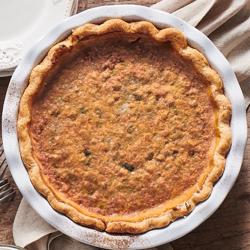
Cooking Class Description: Underrated but absolutely scrumptious, we're making the humble chess pie in this baking class! Our chef instructor will teach you how to make a flaky pie crust from scratch and a maple flavored custard filling enhanced with...
-
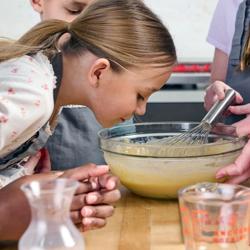
Cooking Class Description: Get into the spirit of the season in this class, designed to bring families together, unleash their creativity and craft sweet treats. Our chef instructor will guide you and your little ones in creating three delightful autumnal-inspired...
-
(137)
Gave my husband lessons as part of his sixtieth birthday celebration we had a great time our instructor...already planning his first batch this weekend of which I will be the lucky recipient, thank you for a great...What a great class! Chef Eric was...
-
(107)
Great chef, too many cooks...Didn't love being in a group of four working on one meal....We love SLT cooking classes, highly recommend!
-
(99)
ve now made three of them for various Christmas parties and people love it!...Great Class!!
-
(74)
Great Holiday Cookie Class...This class provided lots of great tips for working with royal icing and terrific decorating ideas....Great class, could improve on supplies available...The cookie decorating class was great in that they shared a lot of tips...
-
(61)
Great class, learned new things that I will be using at home!...Would love some stools or chairs to give the feet a break.
-
(33)
Great experience!...Great treats!...Great bonding experience with easy enough recipes (but not that easy where she lost interest).
-
(20)
Great class!...Great explanations and demonstrations of techniques....Excellent class with great baking advice! I look forward to my next class.
-
(5)
Great experience!...Great experience!!! Vanessa gives you detailed directions and extra tips for making your dishes.
-
(4)
I love these online classes, tips and tricks from the professionals that really help you to nail it!...Great experience!
-
(3)
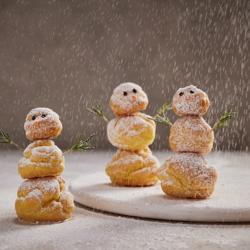
Cooking Class Description: Create adorable, edible snowpeople in this class full of family fun! Our chef instructor will walk you through creating three increasingly sized Pâte à Choux, then filling them with a sweet Pastry Cream. Everyone will laugh...
-
(2)
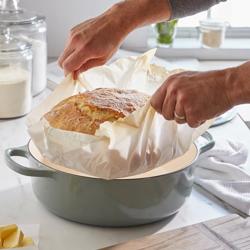
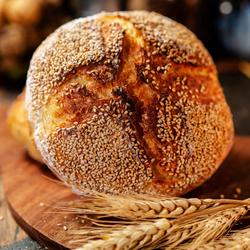
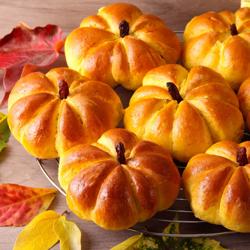
Cooking Class Description: Don't forget the rolls! In this class, we concentrate on dinner rolls for your best Thanksgiving yet. Our chef instructor will teach you our standard dough recipe and how to shape the dough into various shapes. By the end of...
-
(2)
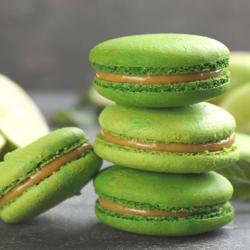
Cooking Class Description: Fall treats and French sweets meet in this Focus Series class! Our chef instructor will teach you all the skills and techniques for making Caramel Apple Macarons. You'll learn to build your batter, how to correctly meringue...
-
Cooking Class Description: Bake up sweet memories and delicious desserts with the whole family! In this family-friendly class, our chef instructor will guide you through preparing, baking and assembling Whoopie Pies, Brownie S’mores Bars and Elephant...
-
For more information on Private Events, or to schedule your own, please contact your local Sur La Table store, or visit our Private Events page.
-
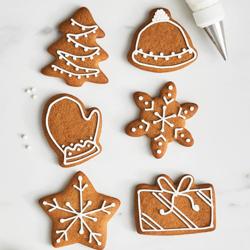
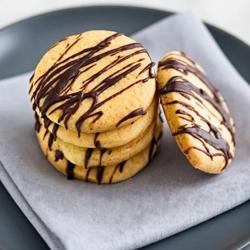
Cooking Class Description: Join us for a holiday cookie class! Our chef instructor will guide you through making three batches of Christmas cookies—perfect for enjoying yourself or gifting. To finish, we’ll provide baking and storing instructions.
- To...
-
Cooking Class Description: For more information on Private Events, or to schedule your own, please contact your local Sur La Table store, or visit our Private Events page.
What To Expect: In our classes you'll work together with other students (in groups... -
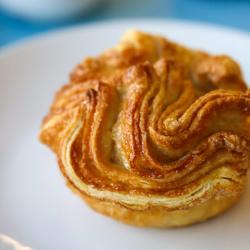
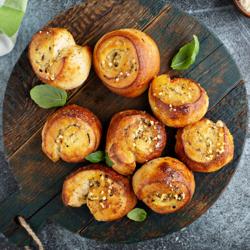
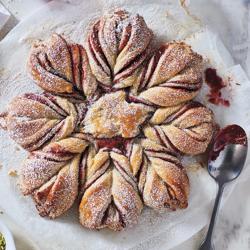
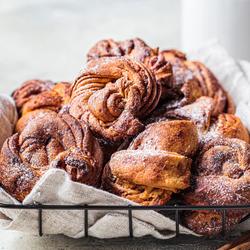
Cooking Class Description: Travel to Sweden without leaving your kitchen for a class dedicated to the art of traditional Swedish baking. Your chef instructor will guide you through fragrant Cardamom Buns, teaching you the technique behind the dough and...
-
Cooking Class Description: For more information on Private Events, or to schedule your own, please contact your local Sur La Table store, or visit our Private Events page.
What To Expect: In our classes you'll work together with other students (in groups...
Fall Baking Experiences For Coworkers
Fall baking experiences for coworkers offer a warm and inviting way to connect as the seasons change. Whether you're looking to spark creativity or simply enjoy time together outside the office, these hands-on classes make it easy to share laughter and delicious treats. Discover how mixing, kneading, and tasting can turn ordinary workdays into memorable moments filled with autumn flavors.
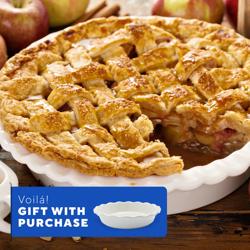
Fall Baking Experiences for Coworkers
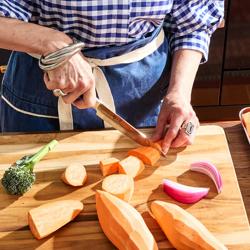
Fall baking experiences for coworkers bring colleagues together around seasonal recipes, hands-on learning, and the simple pleasure of making something to share. A baking class gives a team a shared activity outside its usual routines, with a clear goal that has nothing to do with a presentation or deadline. Apples, pumpkin, cinnamon, maple, and toasted nuts give autumn baking its familiar character, while mixing, shaping, and decorating create natural opportunities for conversation. Depending on the class menu, coworkers might practice handling pastry, preparing a fruit filling, or finishing a batch of cookies with a personal touch. These experiences can suit newly formed teams, longtime colleagues, small departments, and groups celebrating a completed project. Beginners have a reason to ask questions and try unfamiliar techniques, while confident home bakers can pay closer attention to details they may have learned by feel. The appeal is not that everyone arrives with the same ability; it is that different abilities can contribute to the same task. One person might enjoy measuring carefully, another may take to shaping dough, and someone else may discover a knack for piping or decorating. In an instructor-led setting, a demonstration can give the group a common starting point without asking one coworker to become the teacher. There is room for small discoveries along the way: how dough changes as it comes together, why a filling needs time to cool, or what a properly baked edge looks like. Sharing those observations makes conversation feel less forced than a formal icebreaker. A flour-dusted work surface and the scent of cinnamon offer a different setting for getting to know the people behind familiar names and job titles. For teams looking for an interactive fall outing, baking offers a balance of structure, creativity, and an enjoyable result everyone has helped create.
The learning can be as satisfying as the finished bake. Fall baking often centers on techniques that carry over to many other recipes, making a seasonal class useful well beyond a single occasion. Pastry-focused sessions may explore the relationship between cold butter, gentle handling, and a tender crust. Coworkers can see why visible pieces of butter matter, how excess flour affects texture, and why dough sometimes needs a rest before rolling. A class centered on cakes, muffins, or other batters may highlight accurate measuring, ingredient temperature, and the difference between mixing thoroughly and mixing too much. These are small details with noticeable consequences, especially when a baker is trying to understand why a familiar recipe turns out differently from one attempt to the next. Seasonal fruit adds another layer of learning. Apples vary in firmness and moisture, and the way they are cut can influence both texture and baking time. Pumpkin brings moisture and body, while spices need balance so that cinnamon or clove does not overwhelm everything else. A class may also explore finishing touches such as a smooth glaze, a neatly crimped edge, or a crumble topping with distinct, buttery pieces. Tasting provides useful context for those techniques: a crisp pastry edge contrasts with soft fruit, and a little salt can bring sweetness into better balance. For coworkers, these details create an easy exchange of observations rather than a test of who knows the most. Someone who usually handles holiday pies may have a different perspective from a colleague whose baking experience begins with cookies, yet both can leave with something useful to try at home. The most relevant class description connects the menu with the work involved, helping a group understand whether the experience emphasizes pastry, batter mixing, shaping, or decoration. That connection matters because an appealing dessert and an enjoyable group activity are related, but they are not exactly the same thing. A hands-on task gives people something to talk about throughout the experience, not only when it is time to taste.
As a workplace occasion, a fall baking class can mark a team milestone, welcome new colleagues, recognize a shared effort, or provide a relaxed setting for a department gathering. It also offers an alternative to an office bake-off or potluck: instead of relying on coworkers to prepare something separately at home, the experience centers on learning and making together. The atmosphere can remain friendly without turning every result into a competition. A slightly uneven pastry edge or an adventurous decorating choice can become a memorable part of the afternoon without needing a score. For groups celebrating a colleague whose birthday falls in autumn, baking experiences for fall birthdays offer a related way to bring seasonal flavors into the occasion. The right fit depends on the people attending as much as the recipes. A group with many first-time bakers may appreciate approachable techniques and clear demonstrations, while enthusiastic home bakers may enjoy an experience that introduces a less familiar method. The amount of hands-on participation, the length of the session, and the tasks involved all help shape how comfortable the outing feels. Food allergies and dietary needs deserve attention before a group commits to a menu, particularly because baking commonly involves wheat, eggs, dairy, and nuts. Ingredient information and details about the kitchen setting help attendees understand what to expect without assuming that every recipe or workspace can accommodate every need. Physical comfort matters, too, including how much standing, rolling, or close handwork an experience involves. With those practical details considered, the focus can stay on the enjoyable parts: comparing the shapes of hand-formed dough, noticing a batch turn golden, and talking while the final touches come together. What coworkers take away may be a useful baking technique, a new appreciation for a teammate’s patience or creativity, or simply a good memory of doing something different together.
Related Pages
-
"ve now made three of them for various Christmas parties and people love it"
-
"This was a great class, and loved having pie at my Thanksgiving dinner"
-
"ve now made three of them for various Christmas parties and people love it"
-
"Didn't love being in a group of four working on one meal"
-
"This was a great class, and loved having pie at my Thanksgiving dinner"