-
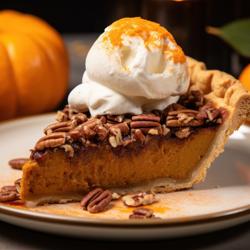
Cooking Class Description: Want a slice of pumpkin or pecan pie? You’ll never have to decide again after this baking class! Our chef instructor will teach you how to create a decadent filling that combines pumpkin and pecan pie in one. Plus, you’ll learn...
-
Cooking Class Description: For more information on Private Events, or to schedule your own, please contact your local Sur La Table store, or visit our Private Events page.
What To Expect: In our classes you'll work together with other students (in groups... -
Cooking Class Description: For more information on Private Events, or to schedule your own, please contact your local Sur La Table store, or visit our Private Events page.
What To Expect: In our classes you'll work together with other students (in groups...
Fall Crust Making Classes
Fall crust making classes are the perfect way to embrace the flavors and traditions of the season. Whether you're looking to master classic pie dough or explore new techniques for savory tarts, these hands-on sessions offer expert instruction in a warm, inviting setting. Discover how easy and enjoyable it can be to craft flaky, golden crusts that elevate your autumn baking. With fall crust making classes, you'll gain confidence in your kitchen skills and create memorable treats to share with family and friends.

Best Of FAQ
What types of crusts will I learn to make in these fall classes?
Our fall crust making classes cover a variety of crusts perfect for the season, including classic pie crusts, savory tart shells, and rustic galettes. You'll learn techniques for both sweet and savory recipes using seasonal ingredients.
Are these classes suitable for beginners?
Yes, our fall crust making classes are designed for all skill levels. Whether you're new to baking or looking to refine your technique, our instructors guide you step-by-step.
Will I get hands-on experience during the class?
Absolutely. Our classes are hands-on, giving you the chance to practice making crusts yourself, with guidance from our expert chefs throughout the process.
Do I need to bring any ingredients or equipment to the class?
No need to bring anything—Sur La Table provides all the ingredients and equipment you’ll need for the class. Just bring your enthusiasm for baking!
Can I take home the crusts or baked goods I make during the class?
Yes, you’ll be able to take home the crusts and any finished baked goods you create during the class, so you can enjoy your hard work or share it with friends and family.

-
"already planning his first batch this weekend of which I will be the lucky recipient, thank you for a great"
-
"This was a great class, and loved having pie at my Thanksgiving dinner"
-
"This was a great class, and loved having pie at my Thanksgiving dinner"
-
"already planning his first batch this weekend of which I will be the lucky recipient, thank you for a great"
-
"This was a great class, and loved having pie at my Thanksgiving dinner"