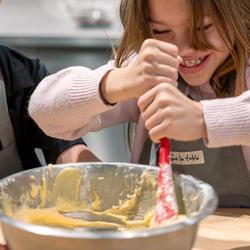
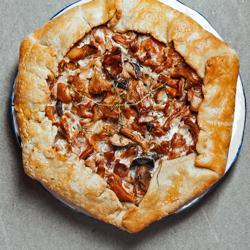
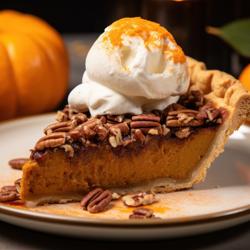
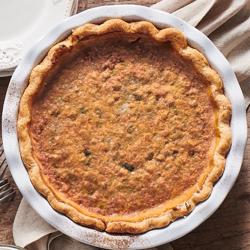
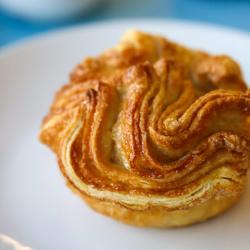
Pie crust classes offer a focused way to get comfortable with one of baking’s most satisfying skills: turning a few familiar ingredients into pastry that is tender, flaky, and sturdy enough to hold a generous filling. For many home bakers, the challenge is not finding a recipe but knowing what the dough should look and feel like along the way. Flour that still looks a little shaggy, visible pieces of butter, or an edge that cracks under a rolling pin can be difficult to interpret from written directions alone. A class gives those details context, helping bakers connect technique with results rather than relying on guesswork. Instruction may cover how fat is worked into flour, how moisture brings dough together, and why resting matters before rolling and baking. These are small decisions, but they help explain the difference between pastry that rolls smoothly and dough that fights back. Beginners can build a foundation without needing a long history of baking, while more experienced cooks can revisit habits that may be contributing to tough crusts, shrinking edges, or uneven browning. The appeal is as much about understanding as execution. Watching a demonstration and receiving feedback, when included in the class format, can make an unfamiliar texture easier to recognize the next time it appears at home. There is also room to appreciate the character of handmade pastry: a gently rippled rim, delicate layers along a cut edge, and a crisp base beneath a soft filling. A crust does not have to look machine-made to be well made. Learning the difference between a harmless irregularity and a sign that the dough needs attention can make pie baking feel less intimidating and more repeatable. That perspective is useful whether the goal is a first successful pie or a more dependable version of a recipe that has been part of family meals for years. It also gives bakers a clearer sense of which details deserve care and which little imperfections can simply remain part of the finished pie.
The details of a pie crust class depend on its menu and focus, so the description is a useful place to understand which techniques receive the most attention. A lesson centered on a single-crust pie may explore shaping an even shell, creating a rim that holds its definition, and preparing pastry for a filling that needs little or no additional baking. Blind baking, the term for baking a crust before adding the filling, is especially relevant to understanding how a crisp shell supports a softer center. A double-crust pie introduces a different set of considerations, including fitting the bottom layer without stretching it, joining the edges, and giving steam a way to escape through the top. Lattice work adds another opportunity to practice control, with strips of dough creating a woven surface that is decorative but still serves the pie beneath it. Depending on the lesson, finishing techniques might include crimping, simple cutouts, or washes that influence color and sheen. These details are most useful when connected to the bigger picture: the crust and filling need to work together. A juicy fruit filling places different demands on pastry than a smooth custard, and learning to recognize that relationship helps explain why the same approach does not suit every pie. For a broader look at how pastry, fillings, and finishing come together,
Pie Baking Classes offer a related direction to explore. Crust-focused instruction keeps special attention on the foundation, including common frustrations such as dough sticking to the work surface, tearing during transfer, or losing its shape in the oven. Understanding the reasons behind those results is more useful than memorizing a single correction. It gives bakers a way to assess what happened, make a thoughtful adjustment, and approach the next bake with a clearer idea of what to notice. Even a familiar recipe can become easier to understand when the lesson draws attention to the dough’s thickness, the feel of its surface, and the way its edges behave during shaping.
Pie crust classes can suit a wide range of reasons for spending time in the kitchen. Someone who usually relies on a prepared crust may want to understand the process from the beginning, while a confident cake or cookie baker may be ready to work with a dough that responds differently to handling. A longtime pie baker might be interested in more consistent results or a neater finish without losing the familiar character of a favorite dessert. For friends, couples, or relatives who enjoy cooking together, a class can also provide a shared experience built around a practical skill. The conversation has a natural focus, and the lesson offers something to revisit later over a baking afternoon or a meal made together. Birthdays, anniversaries, and other personal celebrations can be occasions for giving a cooking class to someone who enjoys learning by doing, provided the experience matches that person’s interests and comfort level. When choosing a class, the most helpful details are often straightforward: whether it is designed for beginners, how much participation is involved, and which doughs or finished pies anchor the lesson. A demonstration-focused experience can help someone who wants to watch technique closely, while a hands-on format gives participants a chance to feel the dough and practice its handling. Neither approach needs to turn a home baker into a pastry specialist to be worthwhile. The lasting benefit may be knowing why a dough needs a pause, recognizing when it has enough moisture, or feeling comfortable patching a small tear instead of starting over. Those modest improvements matter when a pie is being made for a dinner with friends, a birthday dessert, or a family gathering. A well-chosen class makes the process more understandable, leaving more attention for the pleasure of baking and sharing something made by hand. With practice, the familiar rhythm of mixing, resting, rolling, and shaping can become as rewarding as cutting the first slice.