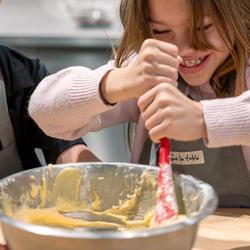
A tender, flaky crust can turn a simple filling into the part of dessert everyone remembers: the crisp edge that breaks cleanly beneath a fork, the golden base that holds its shape, and the buttery layers that make another bite hard to resist. Pie crust baking classes focus on the skills behind those details, giving home bakers a chance to understand dough through its feel as well as its appearance. For a beginner, that might mean recognizing the difference between a mixture that needs a little more moisture and one that simply needs to come together with less handling. For someone who already bakes, it may mean discovering why a familiar crust sometimes turns out tender and other times becomes tough or shrinks in the pan. Guided instruction can make those differences easier to recognize, especially when an instructor demonstrates the texture of flour and fat before the dough is gathered. Rather than treating pastry as a test of instinct, a class can connect each choice to a result: how the size of the butter pieces affects flakiness, how mixing develops structure, and why resting gives dough time to relax. Depending on the class, participants may explore all-butter pastry, dough made with a combination of fats, or another style suited to the featured pie. Each offers a different balance of flavor, tenderness, and ease of handling. The value is not just in learning a formula, but in building the judgment to work with it. A dough that looks slightly uneven before resting can behave very differently from one worked until perfectly smooth, and seeing that distinction in person can be more useful than rereading a recipe. With opportunities to ask questions and observe key stages, pie crust instruction can help make an often-intimidating part of baking feel understandable, practical, and worth practicing. That understanding becomes useful whenever a recipe describes a texture that is easier to recognize by touch than by words alone.
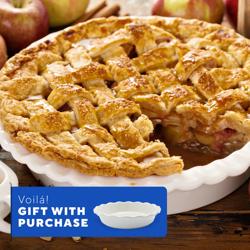
Rolling and shaping bring a different set of skills into focus. A round of pastry needs to be large enough to fit the pan without being stretched, even enough to bake consistently, and sturdy enough to move from the work surface without tearing. In a class setting, those tasks become opportunities to notice small details: the pressure of a rolling pin, the amount of flour on the surface, and the way the dough responds as it is turned. An instructor can show how a short pause or a change in handling may help more than another pass with the pin. Participants may also learn how to settle pastry into the corners of a pan, leave enough dough for a finished edge, and make a simple crimp that looks inviting without requiring elaborate decoration. For bakers drawn to woven tops and neatly finished borders,
Pie Crust Classes can bring attention to the relationship between attractive shaping and careful dough handling. A lattice is more than a finishing touch; the spacing of the strips and the way they meet the edge affect how the top holds together and how much filling remains visible. Beyond shaping, class menus may introduce the different demands of a crust baked before filling and one baked with its filling already inside. Those distinctions matter when comparing a silky custard pie with a fruit pie whose juices need time to thicken. Instruction may cover the purpose of pie weights, when venting is useful, and how to judge browning across the base and rim rather than watching the clock alone. These are practical observations, not just decorative flourishes. A beautifully crimped edge is satisfying, but so is understanding how to protect it while the rest of the pie finishes baking. Seeing the full process helps connect the appearance of the finished pie with the decisions made much earlier, from dough thickness to the way the shell was fitted into its pan.
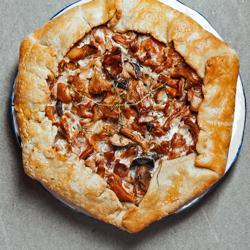
Pie crust baking classes can suit a wide range of home cooks, including people making their first dough from scratch and experienced bakers who want more consistent results. Someone who makes excellent fillings but usually hesitates at the pastry stage may appreciate a class focused on foundational handling. A confident baker might prefer a session that introduces more detailed shaping or explores how crust and filling work together. Reading the class description for its menu, experience level, and format can help match the experience to a particular goal, whether that is mastering a straightforward single crust or becoming more comfortable with a double-crust pie. The setting can also make a difference. A hands-on session offers a chance to practice the motions, while a demonstration-focused experience can leave more room for watching technique and listening to the reasoning behind it. Either approach can be valuable when it matches the way someone likes to learn. For friends, couples, or family members who enjoy cooking together, a pie-focused class offers a shared activity with plenty to notice and discuss, from comparing the feel of dough to admiring the character of a hand-shaped edge. It can also make a thoughtful birthday experience for a baker who would enjoy developing a skill rather than receiving another kitchen tool. The lessons extend well beyond a single dessert. Familiarity with pastry can support future attempts at free-form fruit tarts, savory pies, and other dishes built around a well-made crust, even when their recipes call for different techniques. Just as important, a class can help replace the expectation of perfect-looking pastry with a clearer sense of what makes it enjoyable to eat. An edge can be slightly irregular and still be crisp, tender, and beautifully baked. Confidence comes from understanding those qualities, recognizing what to adjust, and feeling ready to bring a homemade pie to a birthday dinner, a neighborhood gathering, or an ordinary meal that deserves a memorable finish.