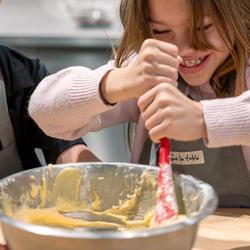
Pie baking classes offer a chance to understand the details behind a tender crust, a well-set filling, and a slice that holds together on the plate. They suit first-time bakers who find pastry intimidating, home cooks ready to move beyond familiar recipes, and experienced bakers who want more consistency from one pie to the next. A recipe can give measurements and timing, but instruction can help connect those directions to what the dough should actually look and feel like. Butter may still be visible in small pieces; a dough that seems slightly crumbly may come together with gentle pressure rather than more water. Those distinctions can be difficult to judge from a photograph alone. Depending on the menu and format, a pie-making class may explore mixing pastry, bringing dough together without overworking it, rolling to an even thickness, and moving a delicate round into a pie dish. The goal is not simply an attractive edge. Each step affects how the crust supports the filling, holds its shape, and eats once baked. Seeing a demonstration or getting feedback during hands-on practice can make an unfamiliar technique feel much more approachable. For someone whose dough tends to crack at the edges or stick to the counter, the opportunity to identify the cause can be especially useful. For another baker, the breakthrough may be recognizing when to stop mixing. Pie classes also give context to familiar baking terms, connecting words such as flaky, tender, and rested to changes that can be seen and felt. That kind of understanding helps turn pastry from a sequence of instructions into a skill that becomes easier to repeat. It also leaves room for individual goals, whether that means making a dependable single crust, developing a lighter touch with dough, or feeling confident enough to bake a pie for guests without relying on a last-minute backup dessert. A focused class gives these foundational details the attention they can miss when baking is squeezed between preparing dinner and clearing the kitchen.
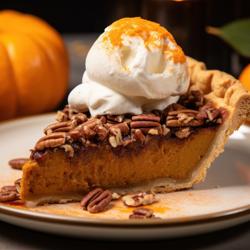
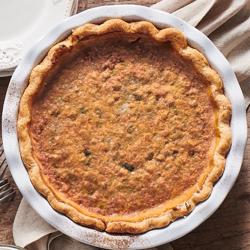
The filling deserves just as much attention as the pastry, and pie baking classes can reveal how the two work together. Fruit pies, custard pies, and other styles present different challenges, so the class menu is an important part of choosing the right experience. A fruit-focused session may cover the balance of sweetness and acidity, the moisture released as fruit cooks, and the role of thickeners in creating a filling that is juicy without flooding the plate. A class centered on custard may spend more time on gentle baking, texture, and the visual cues that distinguish a properly set center from an overbaked one. These are useful lessons for bakers who have pulled a beautiful pie from the oven only to discover an underdone bottom or a filling that never quite firms up. Where the menu calls for it, instruction may also include blind baking, which means baking a crust before adding its filling, or working with a top crust that needs room for steam to escape. Decorative techniques can have a practical purpose, too. A lattice lets the filling show through while leaving openings for moisture to evaporate, and a well-formed edge helps give the pie a finished shape. Learning these details in context makes them more meaningful than treating decoration as a separate finishing task. Classes can also help bakers understand why resting, chilling, baking, and cooling each deserve time in the process. A pie that smells ready to slice may still need to cool before its filling can support a clean serving. Rather than promising that every pie will look identical, good instruction helps explain the small variations that come with working with dough and fresh ingredients. That knowledge is useful beyond a single recipe: it gives bakers a clearer way to evaluate results, recognize progress, and make thoughtful adjustments the next time they bake. Even a familiar flavor can become more interesting when its texture, structure, and balance receive closer attention.
Choosing a pie baking class starts with the experience that sounds most rewarding. A beginner may appreciate a session that gives ample attention to basic dough handling, while a confident home baker may be more interested in a particular filling style or a decorative crust technique. Class descriptions help clarify the menu, format, and expected experience level so the choice reflects more than the finished dessert. Hands-on practice may appeal to someone who learns by doing, while a demonstration-focused experience can suit a baker who likes to watch the full process and understand the reasoning behind each stage. Attending alone can offer space to concentrate on a personal goal; attending with a friend, partner, or adult family member can turn a shared interest into time spent learning together. Pie-making classes can also be a thoughtful experience gift for a person who enjoys baking, collects family recipes, or prefers an activity to another kitchen possession. For a birthday celebration or a shared outing, the appeal is in having something to focus on together beyond the usual meal out. For someone hoping to recreate a much-loved family pie, the value may be more personal: learning how to handle pastry with confidence can help make an old recipe feel accessible again. Anyone interested in building a broader baking repertoire can also explore
Adult Baking Classes for experiences beyond pie. The lasting benefit of focused instruction is often found in ordinary moments afterward—rolling dough with less hesitation, recognizing a properly baked crust, or understanding why a filling needs more cooling time before serving. Those improvements make baking for a dinner party, a family gathering, or a simple dessert at home feel more manageable. A pie does not need an elaborate finish to be worth sharing. A class can help develop the judgment behind that result, along with the confidence to enjoy the process rather than worry about every step.