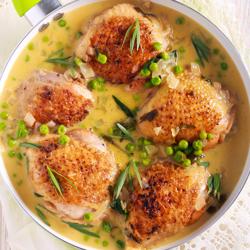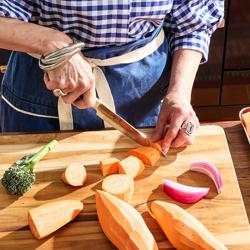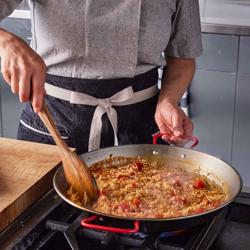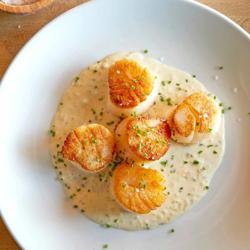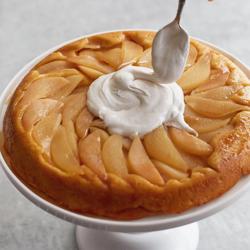
French bistro cooking classes with professional chefs bring the welcoming spirit of a neighborhood dining room into a hands-on culinary setting. Rather than focusing on elaborate restaurant tricks, these classes often center on the practical techniques that give French cooking its depth: confident knife work, proper seasoning, pan-searing, building a flavorful fond, deglazing, and balancing richness with acidity. A professional chef can show you how a simple ingredient becomes something memorable through timing and attention. You may learn to cook a golden, crisp-skinned chicken with a thyme-scented pan sauce, prepare steak frites with a well-browned exterior and a tender center, or make mussels in a fragrant broth that begs for a piece of crusty bread. Classic starters might include a frisée salad with lardons and warm vinaigrette or delicate cheese puffs, while desserts can range from a dramatic apple tarte Tatin to a light, deeply chocolate soufflé. Menus vary by class, season, and chef, but the emphasis is usually the same: understanding why each step matters so you can bring the technique home. When comparing French bistro cooking classes, consider the menu, class length, location, and level of participation. Some sessions are designed for beginners and move carefully through foundational skills, while others are better suited to experienced home cooks who want to refine sauce work, improve timing, or practice cooking several components at once. A class that includes a full meal can offer a satisfying introduction to the rhythm of French service, often moving from preparation to cooking, plating, and a relaxed shared table. Other formats may focus on a particular skill, such as making fresh dough, preparing a classic sauce, or learning how to handle a delicate dessert. In-person instruction is especially helpful for cooks who appreciate immediate feedback. A chef can adjust your knife grip, point out the exact moment a pan is ready, or explain how a sauce changes as it reduces. Those small observations are often what turn a recipe into a repeatable skill. For anyone searching for
French Bistro Cooking Classes for Food Lovers, a professional, hands-on format offers both practical instruction and the pleasure of cooking alongside people who share an interest in good food.
These classes can suit a wide range of home cooks, from someone preparing a first proper pan sauce to an enthusiastic entertainer looking for a more polished dinner-party repertoire. They are also a thoughtful gift for a friend who collects cookbooks, a partner who enjoys planning meals, or a family member who would rather make memories than receive another object for the kitchen. A class gives the recipient something useful beyond the session itself: new instincts, a few dependable techniques, and the confidence to recreate a bistro-style meal during the cooler months or whenever a comforting dinner feels right. When choosing a class as a gift, think about the recipient’s schedule, cooking experience, preferred learning style, and interest in working with others. A social, multi-course session may be ideal for someone who enjoys conversation and shared meals, while a more focused workshop may appeal to a cook who likes to concentrate on details. It is also worth checking whether the experience includes ingredients, equipment, printed recipes, or a sit-down meal, since these details can shape the overall value and convenience. Professional chef-led instruction is particularly useful for French cooking because many of the most important lessons are sensory: recognizing the nutty aroma of properly browned butter, listening for the right sizzle in a hot pan, judging when onions have softened without taking on too much color, or tasting a sauce until its salt, fat, and acidity feel balanced. These are the moments that do not always come through on a recipe page. A chef may also explain how to organize a three-course menu so the salad stays crisp, the main course arrives hot, and dessert is ready without a last-minute scramble. That kind of guidance makes the experience approachable while still leaving room to grow. After class, the techniques can be adapted to everyday cooking, whether you are preparing a simple supper for two, hosting friends around a small table, or making a leisurely weekend meal when the weather invites something warm and savory. French bistro cooking is appealing for precisely this reason: it feels special without requiring formality, and its best dishes rely on care more than complexity. A well-chosen cooking class can help you develop that same balance in your own kitchen, with professional direction, satisfying food, and skills that remain useful long after the final course has been served.