-
(104)
Best Night!!!!...We laughed and had such a great time. Highly recommend this class....Best Date Night Ever!...My husband and I really had a great time. Not only was it a lot of fun, the food was spectacular.
-
(61)
wonderful) but of the details of the class:
-instructor was knowledgeable, personable & led a great...I love The British Baking Show, and they always show all these delicious-looking patisseries....great instructors, but......We had a great time! -
(6)
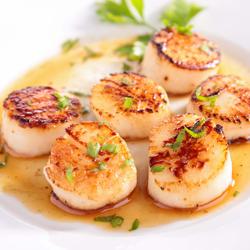
Cooking Class Description: Why settle for dinner and a movie when you can invite your special someone on a culinary tour of France? You’ll love working alongside your date and other classmates preparing a sumptuous meal of authentic French favorites....
-
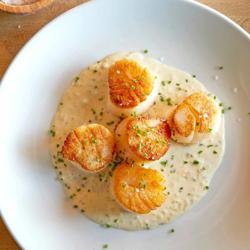
Cooking Class Description: From Paris to Provence, bistros are at the heart of French cuisine. Join us for this fabulous bistro fare and learn to prepare a complete menu of simple-yet-sophisticated classics. We’ll show you easy traditional French cooking...
-
(47)
Great class!...Liz was a great teacher and we got tons of hands on experience making all three desserts....Larissa was a great instructor, had a great time. Highly recommend.
-
(20)
Great class!...Great explanations and demonstrations of techniques....Excellent class with great baking advice! I look forward to my next class.
-
(4)
I love these online classes, tips and tricks from the professionals that really help you to nail it!...Great experience!
-
(2)
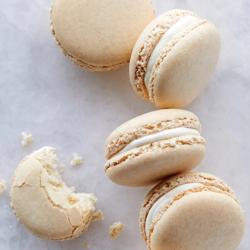
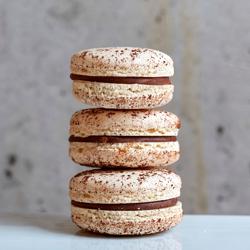
Cooking Class Description: Learn to create classic macarons in our latest three-hour baking class! Our chef instructor will teach you the skills and techniques for perfecting two macaron flavors: Toasted Almond and Strawberry. You’ll learn to build your...
-
(1)
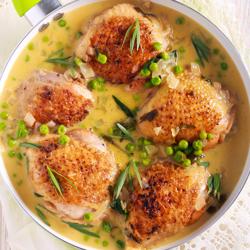
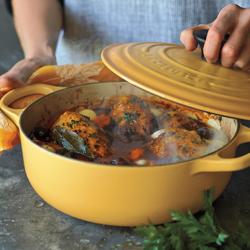
Cooking Class Description: In this Focus Series class, we highlight the braising technique to create a tender, rich and flavorful Coq au Vin. Our chef instructor will guide you through making this delicious red wine-based recipe while teaching you the...
-
Great recipes and fabulous teacher! Thank you Chef Candy!!!...Great recipes but these classes totally come down to the chef leading them....Candy was great and made our day! A really great teacher, super clear and kept the class focused....She is the...
-
(106)
Great chef, too many cooks...Didn't love being in a group of four working on one meal....We love SLT cooking classes, highly recommend!
-
(101)
ve all been great. This one was the best, I think! Great recipes, easily made (!), very well taught....Great Food and a Fun TIme...The setup was great, allowing us to complete this meal in two hours and make most of it ourselves....i would love one of...
-
(27)
Fantastic class - great experience with Chefs Erick, Paolo, and Dagny!...knew of to skin garlic cloves, each of which never efficiently worked, and learned in this class the best
-
(2)
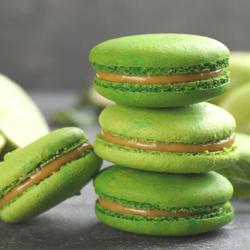
Cooking Class Description: Fall treats and French sweets meet in this Focus Series class! Our chef instructor will teach you all the skills and techniques for making Caramel Apple Macarons. You'll learn to build your batter, how to correctly meringue...
-
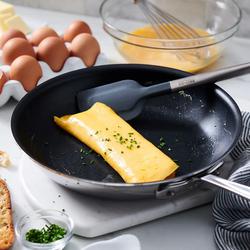
Cooking Class Description: Eggs might be the most versatile ingredient in your kitchen, and this Focus Series class shows you exactly why. You'll master the technique behind a beautifully poached egg, dial in timed boiling for a range of yolk textures...
Hands On French Bistro Cooking Classes
Hands on French bistro cooking classes bring the warmth and charm of classic Parisian cafés straight to your kitchen. Immerse yourself in the techniques and flavors that define French comfort food, guided by expert instructors who make every step approachable and enjoyable. Whether you’re looking to master timeless favorites or simply explore new skills, these interactive classes offer a delicious way to expand your culinary repertoire—no passport required.
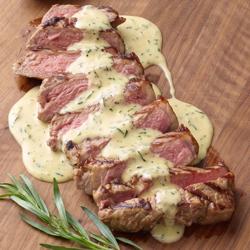
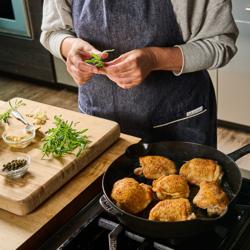
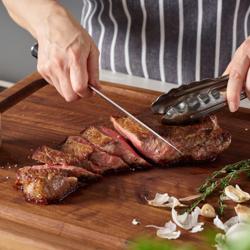
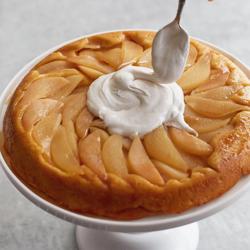
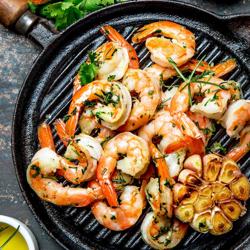
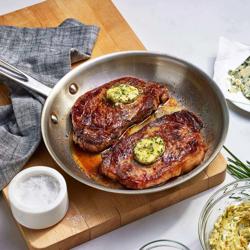
Hands On French Bistro Cooking Classes
-
"wonderful) but of the details of the class:-instructor was knowledgeable, personable & led a great"
-
"already planning his first batch this weekend of which I will be the lucky recipient, thank you for a great"
-
"Two improvements we would love is to have if we cook again would be seats available to sit down and eat"
-
"wonderful) but of the details of the class:-instructor was knowledgeable, personable & led a great"
-
"This was a great class, and loved having pie at my Thanksgiving dinner"