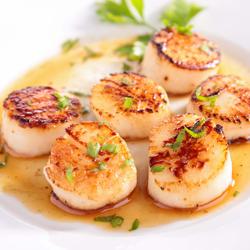
Intermediate seafood cooking classes are designed for home cooks who already feel comfortable in the kitchen and are ready to work with greater confidence, precision, and range. These hands-on, technique-driven sessions build on basic cooking skills while introducing the details that make seafood taste restaurant-worthy: choosing fish at its freshest, preparing it cleanly, controlling heat, seasoning with restraint, and recognizing the moment a delicate fillet or shellfish is ready to serve. Depending on the class format, participants may practice breaking down a whole fish, cleaning squid, shucking oysters, searing scallops, or preparing fish en papillote in a parchment packet that opens with a fragrant rush of steam. Other lessons may focus on pan-seared fish with a quick reduction sauce, crudo and sashimi-style preparation, or the balance of salt, acid, fat, and herbs in seafood dishes. Most recreational sessions run for about two to three hours, giving cooks enough time to prepare food with guidance, correct small mistakes, and sit down to enjoy the finished meal. In-person classes offer direct instruction and the rhythm of a shared kitchen, while virtual sessions can be a useful choice for cooks who prefer to learn at home and practice at their own pace. When comparing class options, look for a clear skill level, a manageable class size, an outline of the techniques covered, and details about whether ingredients, tools, or preparation instructions are included. A well-chosen intermediate class should feel challenging without being overwhelming, with an instructor who explains not only what to do but also why each step matters. For cooks looking to broaden their seafood repertoire,
Cooking Classes For Seafood Lovers can offer additional inspiration across a range of experience levels and cooking styles.
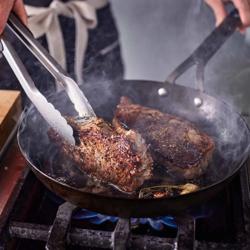
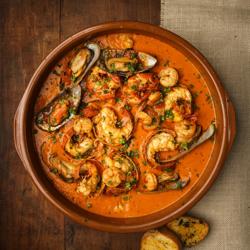
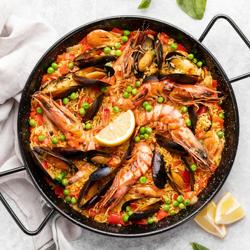
The best class for you depends on the skills you want to strengthen and the kinds of meals you hope to make at home. Someone who usually cooks salmon or shrimp may enjoy a session devoted to whole-fish preparation, learning how to identify the grain, work around the bones, and portion fillets neatly rather than relying on pre-cut pieces. A confident sauté cook may benefit from focused practice with scallops, where a dry surface, a properly heated pan, and patience are essential for creating a deep golden crust while keeping the center tender. Shellfish classes can help demystify oysters, mussels, clams, and squid, including safe handling, cleaning, timing, and the differences between steaming, grilling, frying, and gentle poaching. Technique matters especially with seafood because the window between perfectly cooked and overdone can be brief. An experienced instructor can show how a fish fillet changes from translucent to opaque, how a scallop should yield slightly when pressed, or how a sauce can be reduced until it coats the back of a spoon without becoming too salty. Look for classes that make room for questions and hands-on repetition, since the most useful learning often happens when a cook adjusts a knife angle, lowers the burner, or sees how a few extra seconds affect texture. Ingredient notes are also worth reviewing, particularly for cooks managing allergies, dietary preferences, or limited access to a fish market. Some classes emphasize seasonal availability and sustainable sourcing, while others focus on adaptable methods that work with whatever is freshest at the local counter. During the cooler months, warming preparations such as parchment-baked fish, creamy chowders, brothy seafood stews, and pan sauces can bring a generous, welcoming feel to the table, while the same foundational skills carry easily into lighter grilled, chilled, and citrus-forward dishes as the weather changes.
An intermediate seafood cooking class can be a thoughtful gift for a curious home cook, a couple who enjoys planning meals together, or a friend who has mastered weeknight staples and wants a new challenge. It is especially appealing for someone who values an experience over another item for the kitchen: the recipient leaves with practical knowledge, a memorable meal, and techniques that can be repeated long after the class ends. For a gift, consider the recipient’s comfort level, preferred learning format, location, schedule, and interest in particular seafood or cooking methods. A hands-on studio setting may suit someone who enjoys meeting other cooks and learning around a shared worktable, while an online session may be more convenient for a busy household or a cook who prefers the familiar surroundings of home. Before booking, check whether the class fee includes ingredients, equipment, printed recipes, or a meal, and confirm any requirements for advance preparation. The most rewarding sessions tend to connect technique with real kitchen decisions: how to select a firm, fresh fish; when to season; how to build a sauce from browned bits; how to use parchment to protect delicate flesh; and how to serve seafood at its best rather than letting it wait. These lessons can make an ordinary dinner feel more intentional, whether that means crisp-skinned fish with a bright pan sauce, carefully prepared oysters shared at the start of a meal, or tender squid cooked quickly enough to remain supple. For cooks moving beyond basic frying and steaming, the right intermediate class offers structure, encouragement, and a practical bridge between following a recipe and understanding the craft behind it.