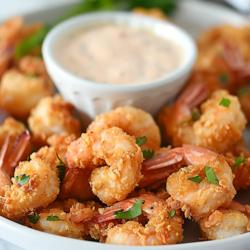
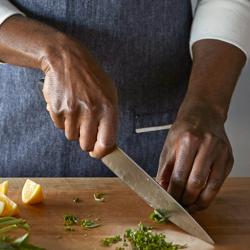
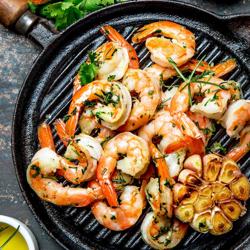
Seafood cooking classes for beginners offer a practical, welcoming way to build confidence with fish and shellfish, whether you are cooking for one, feeding a family, or planning a relaxed meal with friends. The best beginner-friendly options focus on useful skills that carry from one recipe to the next rather than assuming you already know how to handle seafood. Look for classes that explain how to select fresh fish, inspect shellfish, store seafood safely, and prepare ingredients before cooking. A good class may cover how fresh fish should look and smell, why firm flesh matters, and how to keep seafood properly chilled from the market to the kitchen. These details can make seafood feel far less intimidating. Many beginners start with familiar choices such as salmon, shrimp, scallops, cod, or crab because they are versatile and work well with straightforward techniques. As you explore, you may also learn to prepare whole fish, squid, mussels, oysters, or other varieties that offer new textures and flavors. Hands-on instruction can be especially helpful for basic knife skills, including trimming, portioning, removing pin bones, scaling, and making clean cuts without crushing delicate flesh. Shellfish preparation deserves its own attention, since cleaning shrimp, handling squid, or opening oysters calls for specific steps and a clear understanding of food safety. Classes that demonstrate these tasks slowly and explain the reason behind each step can help you feel comfortable repeating them at home. During the cooler months, seafood classes can also bring a bright, fresh element to the kitchen, pairing simple fish dishes with roasted vegetables, grains, citrus, herbs, or warm sauces that suit a relaxed evening indoors.
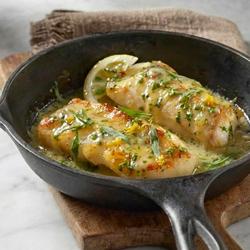
When comparing seafood cooking classes for beginners, consider the format, level of support, menu, class length, and the kind of cooking experience you want to have. In-person classes are a natural fit for learners who benefit from watching a technique up close, asking questions as they work, and receiving guidance with timing, seasoning, or knife handling. Many hands-on sessions take place in a culinary school, teaching kitchen, or market setting and include an opportunity to sit down and enjoy the finished meal. These classes can be a memorable choice for a date night, a small group gathering, or a gift for someone who enjoys cooking but has not yet found a comfortable way into seafood. An online class may suit a busy schedule or a home cook who prefers to pause, replay, and practice at an individual pace. Digital lessons can also make it easier to focus on one area, such as pan-searing fish, baking fillets, poaching, preparing shellfish, or creating a seafood-centered meal from start to finish. For beginners, look for clear instruction on heat control and doneness. Pan-searing should cover how to dry the surface of the fish, preheat the pan, choose an appropriate amount of fat, and avoid moving the fish too soon, which helps create an even golden crust instead of a torn or stuck surface. Baking lessons can show how thickness affects cooking time and how to recognize when flesh is opaque and flakes easily. Poaching classes are useful for learning a gentle method that keeps delicate fish moist, while shellfish lessons should include safe storage, thorough cooking, and signs that an ingredient should not be used. A class with a manageable menu is often more useful than one that tries to cover too many advanced preparations at once. Beginners may appreciate a session built around one complete dish, while more experienced home cooks may prefer a broader introduction to several species and techniques. Consider whether ingredients and equipment are included, what preparation is expected beforehand, and whether the instructor provides recipes or reference materials for future cooking. These details help you choose an experience that fits your kitchen, schedule, and comfort level.
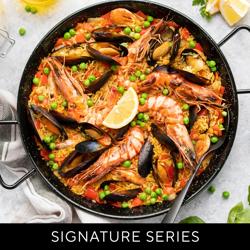
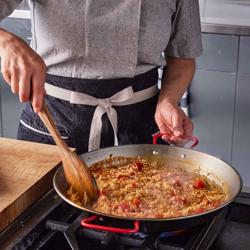
Seafood cooking classes also make thoughtful gifts for new homeowners, recent graduates, couples, parents, and anyone who wants to prepare restaurant-style meals with less guesswork. They can be a particularly personal gift when matched to the recipient’s interests: a relaxed seafood dinner for someone who enjoys entertaining, a shellfish-focused session for an adventurous cook, or an online class for a learner who prefers practicing at home. The most useful gift is one that meets the recipient where they are. Someone who has never cooked fish may value instruction on selection, storage, seasoning, and basic pan-searing, while a home cook who already prepares salmon may enjoy learning about whole fish, seafood stews, paella-style dishes, or regional preparations. For cooks drawn to bright herbs, garlic, olive oil, tomatoes, and simple coastal flavors,
Italian Cooking Classes for Seafood Lovers can provide an inviting direction for exploring seafood in a familiar culinary tradition. Across any format, beginner classes should leave you with repeatable habits: keep seafood cold, separate raw ingredients from ready-to-eat foods, wash hands and tools thoroughly, use a reliable cooking thermometer when appropriate, and follow guidance for safe handling and doneness. They should also help you understand that seafood does not need complicated treatment to taste exceptional. A hot pan, a little oil, a well-seasoned fillet, and careful attention can produce crisp edges and tender, pearly flesh; gentle heat can turn shellfish fragrant and succulent; and a simple sauce can gather the flavors left in the pan. Whether you are choosing a class for yourself or giving one to someone else, these beginner-focused options create an approachable path from uncertainty to confident cooking, with skills that can be used for weeknight meals, special gatherings, and fresh seasonal menus throughout the year.