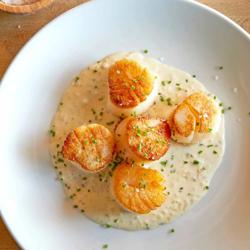
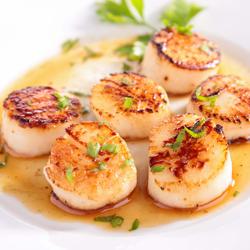
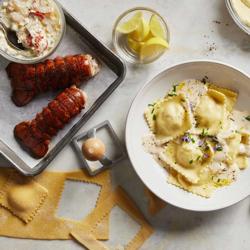
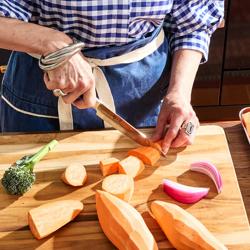
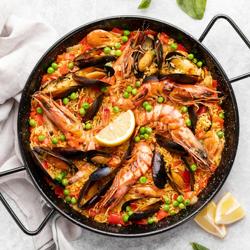
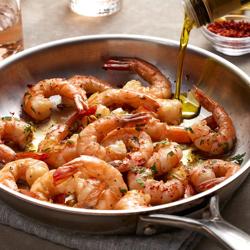
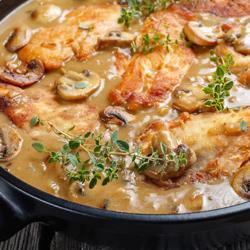
Seafood dinner party classes bring together two skills that make entertaining more enjoyable: cooking seafood with confidence and building a meal that feels thoughtfully put together. A beautifully browned fillet or a platter of tender shrimp can be the centerpiece of a gathering, but the real satisfaction comes from understanding how to get there without spending the whole evening at the stove. These classes are a natural fit for home cooks who enjoy having people over, couples looking for a shared cooking experience, and anyone ready to move beyond the same familiar fish recipe. Depending on the menu, the focus may include pan-searing, roasting, gentle poaching, or preparing shellfish, with attention to the small decisions that affect texture and flavor. A dry surface helps fish brown rather than steam, while the thickness of a portion influences how quickly its center cooks. Delicate flesh also calls for a different approach than a steak or a chicken breast, especially when turning it or moving it from pan to plate. Learning to recognize these differences can make seafood feel less unpredictable. Instruction can also put familiar cooking cues into context: the sound of a steady sizzle, the release of a properly seared surface, or the way a sauce lightly coats a spoon. Rather than relying on a recipe alone, participants can develop a clearer sense of what is happening in the pan and why. That understanding matters when preparing several portions for guests, where consistency is just as important as a handsome presentation. The dinner party theme gives these skills a practical purpose, connecting individual techniques to the experience of serving a complete meal. It is not simply about making a special entrée; it is about learning how that entrée fits into an evening, from the first preparations to the moment everyone sits down.
A successful seafood menu has contrast without feeling crowded. Rich fish might sit alongside something crisp and bright, while sweet shellfish can pair beautifully with a savory broth, fresh herbs, or a little acidity. Seafood entertaining classes offer a setting for exploring those relationships and seeing how a few well-chosen elements can carry a plate. Menus may draw on coastal cooking traditions or restaurant-style preparations, but the most useful lessons often translate to a home kitchen: building flavor in a pan, keeping a sauce balanced, and choosing accompaniments that support rather than overwhelm the main course. A spoonful of lemony sauce can sharpen a rich bite; a smooth vegetable purée can provide contrast to a crisp sear. These details help explain why a meal feels complete, even when the ingredient list is relatively short. Timing is another important part of the experience. Seafood often cooks quickly, which can be an advantage for entertaining when the rest of the meal is organized around it. A class built around a dinner party menu may explore which components can be prepared ahead, which need attention close to serving, and how to coordinate them without sacrificing texture. Picture the difference between starting a sauce while the fish is already cooking and having that sauce ready for its finishing touches. That kind of planning leaves more attention for the delicate final stages. Depending on the class, instruction may also cover portioning, removing pin bones, cleaning shellfish, or handling raw seafood safely, including keeping it chilled and preventing cross-contamination. These foundational habits support the more visible work of cooking and plating. Presentation does not have to mean elaborate arrangements or tiny garnishes. Even portions, a clean plate, and a thoughtful balance of sauce and accompaniments can make a dinner feel polished while keeping the food easy to serve and enjoy.
The right seafood dinner party class depends on both cooking experience and the kind of gathering a participant wants to host. Someone comfortable following recipes but hesitant around fish may appreciate a menu centered on a few essential techniques. A more practiced cook may be interested in refining a sear, working with a less familiar type of shellfish, or coordinating several components with different cooking times. For a closer focus on building beyond the basics,
Intermediate Seafood Cooking Classes offer a related direction to explore. Reading each class description helps clarify the featured menu, expected experience level, and teaching format so the choice matches personal interests. It is also worth reviewing ingredients carefully when shellfish allergies or other dietary restrictions are a consideration; seafood-focused menus can involve several kinds of fish and shellfish, as well as shared preparation spaces. Beyond the cooking itself, these experiences can make a memorable date, a birthday outing, or an opportunity for friends to spend time together doing something more involved than meeting for dinner. They can also appeal to an enthusiastic host who wants fresh ideas for a small celebration or a relaxed meal with family. The appeal is as much about shared attention as it is about the finished plates: noticing how a sauce changes as it comes together, comparing the texture of different preparations, and seeing separate components become a cohesive meal. Skills developed around a dinner party menu can carry into everyday cooking, too. Better judgment about heat, seasoning, and preparation order is useful whether dinner is for two people or a full table. With a clearer understanding of the cooking and the timing behind it, hosting seafood becomes less about hovering anxiously over a pan and more about serving a meal with confidence, then taking a seat while everyone enjoys it.