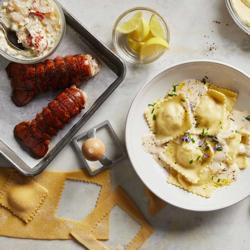
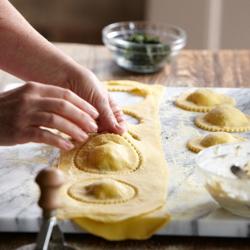
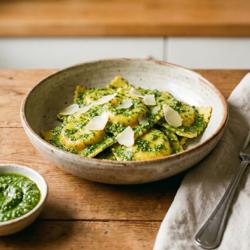
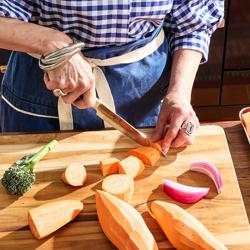
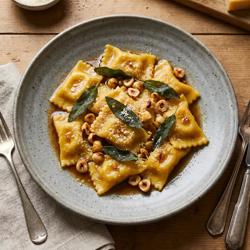
Ravioli making classes with fresh ingredients offer a welcoming way to learn the foundations of handmade pasta while enjoying the details that make each batch feel personal. In a hands-on session, participants typically begin with a simple dough made from flour and eggs, then mix, knead and rest it until the texture becomes smooth and elastic. That resting period matters: it gives the dough time to relax, making it easier to roll into delicate sheets without excessive springback. From there, the class may demonstrate how to use a rolling pin or pasta machine to reach an even thinness, since sheets that are too thick can feel heavy and sheets that are too thin may tear around the filling. Fresh ingredients bring another layer of character to the experience. Creamy ricotta, tender greens, fragrant herbs, roasted squash, mushrooms and caramelized onions can each create a different filling, with seasonal produce offering especially appealing choices during the cooler months. Participants learn to balance moisture, seasoning and texture so the filling sits neatly inside each pasta pocket rather than soaking through the dough. These classes are well suited to beginners who want clear instruction and plenty of guidance, as well as experienced home cooks looking to refine their shaping, sealing or sauce-pairing techniques. The finished ravioli can be served with a simple fresh marinara, a glossy brown butter and sage sauce, or another preparation that lets the pasta and filling remain the focus.
When choosing among ravioli-making class listings, consider the format, pace and ingredients included so the experience matches the cook who will attend. In-person workshops are a natural choice for anyone who enjoys learning by doing, sharing a table with other food lovers and receiving immediate feedback while rolling, filling and sealing. They can be especially enjoyable for friends, couples or family groups looking for a creative activity that ends with a meal. Virtual classes may appeal to cooks who prefer the comfort of their own kitchen, need a flexible location or want to involve relatives and friends who live farther away. Some online options include ingredient kits, while others provide a shopping list and preparation notes in advance; reviewing those details helps with planning and makes it easier to have everything ready when the class begins. A class that includes fresh ingredients or clear ingredient guidance can be helpful for cooks who want to understand how quality and freshness affect the final result. It is also worth checking the expected skill level, class length, equipment requirements and whether the session focuses on a particular filling or covers several techniques. Cooks with dietary preferences should look for information about substitutions, and anyone giving a class as a present may want to consider the recipient’s kitchen setup, schedule and comfort with hands-on cooking. A ravioli class can make a thoughtful gift for a first-time pasta maker, a host who enjoys gathering people around the table or an experienced cook who appreciates learning a new regional technique. For a family activity,
Family Ravioli Cooking Classes can turn meal preparation into shared time, with children and adults taking on age-appropriate tasks such as stirring filling, arranging dough or pressing the edges closed.
The most rewarding ravioli-making experiences are built around practical details that cooks can carry into their own kitchens. Fresh pasta dough should be kneaded until supple, covered while it rests and kept from drying out as the sheets are rolled and shaped. Fillings should be portioned consistently, leaving enough space around each mound to press out air and create a secure seal. A light touch of water or egg wash may help the edges adhere, but too much moisture can make them slippery and difficult to close. After cutting, ravioli benefit from a lightly floured surface and enough room to keep individual pieces from sticking together. Cooking is usually brief: fresh ravioli are lowered into well-salted simmering water and watched closely, since their tender dough cooks more quickly than dried pasta. A class can also show how to reserve a little pasta water to loosen a sauce and help it cling to the finished ravioli. These techniques make the experience useful beyond a single session, whether the cook is preparing a quiet dinner, planning a weekend gathering or building a menu for a special occasion. During the cooler months, handmade ravioli filled with earthy vegetables, greens or cheese can bring warmth to the table, while lighter herb or ricotta combinations work beautifully whenever fresh produce is at its best. Choosing a class centered on fresh ingredients gives cooks more than a finished plate: it provides a memorable introduction to pasta-making, a better understanding of texture and timing, and the confidence to shape future batches with their own favorite fillings and sauces.