-
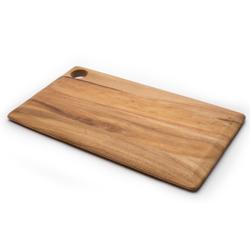
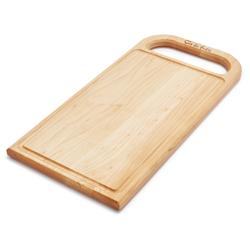
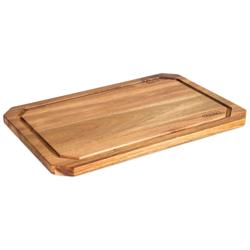
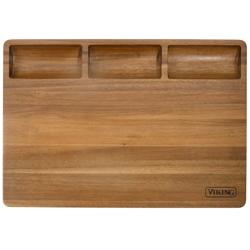
A durable acacia wood cutting board with a rich grain and convenient grommet for hanging.
-
(12)
A premium maple cutting board with a reversible design, perfect for everyday kitchen use.
Pros: size, usefulness, perfect size
-
(12)
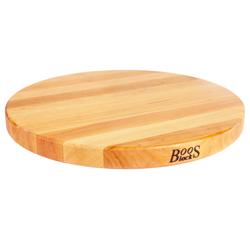
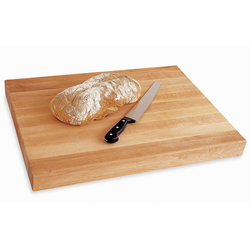
A beautiful brown cutting board made from hard rock maple, perfect for professional and home use.
Pros: appearance, durability, performance
-
(103)
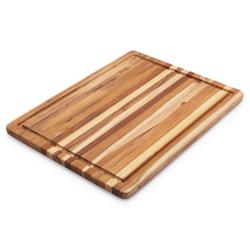
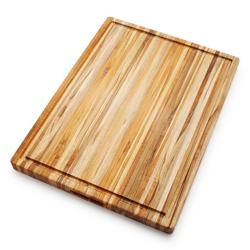
A reversible cutting board made from sustainably grown teak wood with a beautiful natural grain pattern.
Pros: appearance, perfect size, beautiful
-
(46)
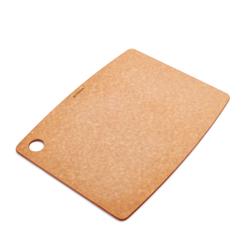
A brown, eco-friendly cutting board made from natural wood fiber that is non-porous and dishwasher safe.
Pros: durable, easy to clean, dishwasher safe
-
(29)
A versatile acacia wood cutting board with built-in juice grooves for easy food prep and serving.
Pros: beautiful, juice groove, functional
-
(25)
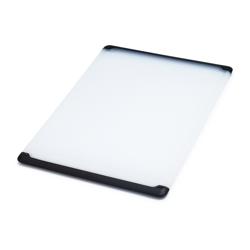
A non-slip cutting board in white, perfect for slicing meats, chopping vegetables, and more.
Pros: dishwasher safe, non-slip, easy to clean
-
(18)
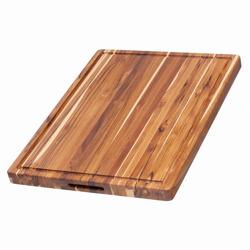
A reversible teak cutting board with hand grips and juice canal, made from sustainably grown teak wood.
Pros: beautiful, functional, quality
-
(17)
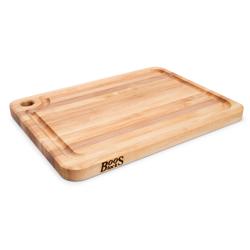
A durable, reversible maple cutting board with handgrips for easy handling and prevention of cross-contamination.
Pros: beautiful, durable, easy to clean
-
(9)
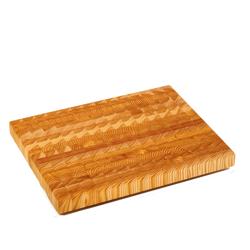
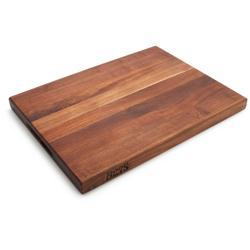
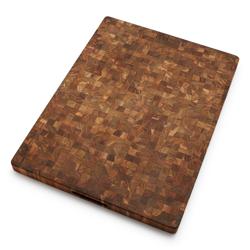
A professional-grade, heirloom-quality cutting board made of durable end-grain larch wood, perfect for cutting and serving.
Pros: beautiful, beautiful design, larch wood
-
(9)
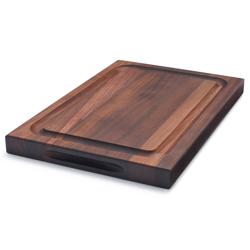
A reversible black walnut cutting board with hand grips, perfect for easy and durable food preparation.
Pros: love, hides mess, long lasting
-
(6)
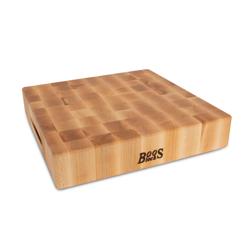
A sturdy and reversible maple chopping block with easy grip handles and a protective cream finish.
Pros: looks nice, size, easy to move
-
(6)
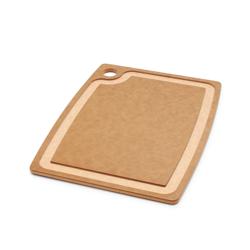
A durable, knife-friendly cutting board made from non-porous wood-fiber composite, perfect for busy kitchens.
Pros: easy to clean, effective, dries quickly
-
(5)
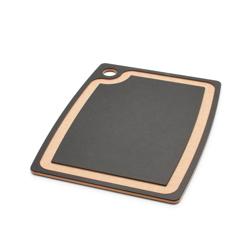
A durable, knife-friendly cutting board made from non-porous wood-fiber composite, perfect for busy kitchens.
Pros: appearance, love, replaces plastic board
-
(5)
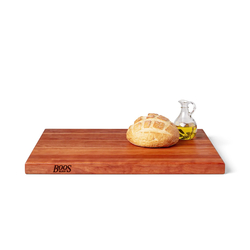
A reversible cherry cutting board with grip handles and a protective Boos cream finish.
Pros: beautiful wood, nice quality, good care instructions
-
(49)
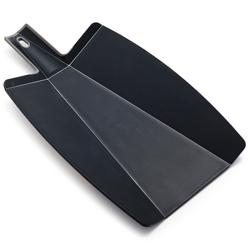
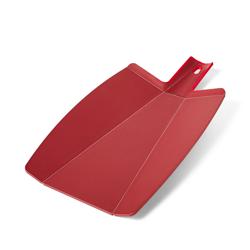
A durable, knife-friendly cutting board with a foldable chute and nonslip feet for secure use.
Pros: versatility, functional, color
-
(48)
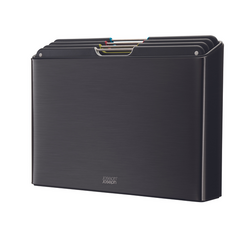
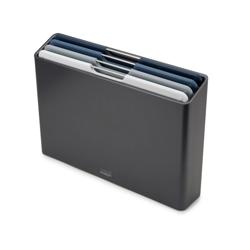
A set of four durable plastic cutting boards with a fingerprint-proof stainless steel holder for organized storage.
Pros: high quality, design, improved design
-
(36)
A reversible teak cutting board made from sustainable wood, perfect for prepping and serving.
Pros: beautiful, sturdy, large size
-
(30)
A reversible walnut cutting board with a deep groove to capture juices and cut-in handles for easy flipping.
Pros: appearance, beautiful, quality
-
(24)
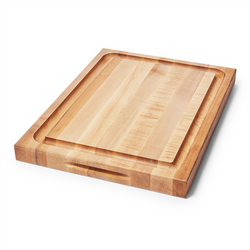
A reversible edge-grain maple cutting board with a deep groove to catch liquids and a finger-grip hole for easy transportation.
Pros: durability, quality, great quality
-
(23)
A reversible cutting board made from FSC-certified reclaimed teak, offering durability and unique characteristics.
Pros: beautiful, thickness, durability
-
(20)
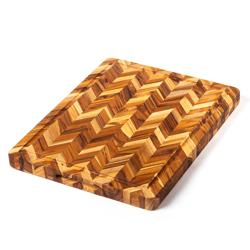
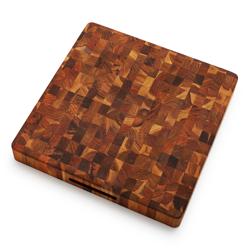
A sustainable, end grain teak cutting board with hand grips for easy transport and knife-friendly construction.
Pros: beautiful, functional, perfect size
-
(16)
A reversible teak cutting board in a tan color, made from sustainable teak wood.
Pros: size, beautiful, appearance
-
(11)
A versatile acacia wood butcher block board with 1-cup indentions and a juice groove.
Pros: beautiful, lovely, functional
Everyday Cutting Board
An everyday cutting board is a kitchen essential for preparing meals. These cutting boards come in a variety of sizes, shapes, and materials to suit almost any kitchen. They are also designed to provide a safe and sanitary surface for cutting, slicing, and chopping food. Here are some great options.

Everyday Cutting Board
FAQ List
The best material for a cutting board depends on your personal preferences and needs. Wood and bamboo are popular choices for their durability and natural antimicrobial properties, while plastic cutting boards are lightweight and easy to clean.
To clean your cutting board, use hot, soapy water and a scrub brush. Rinse thoroughly and dry with a clean towel. For tougher stains or odors, you can use a paste made from baking soda and water or a mixture of vinegar and water.
It depends on the material of your cutting board. Plastic cutting boards can usually be safely washed in the dishwasher, but wood and bamboo cutting boards should be hand washed to avoid warping or cracking.
It's recommended to replace your cutting board every 1-2 years, or sooner if it shows signs of wear and tear such as deep grooves or cracks. Regularly sanitizing your cutting board can help extend its lifespan.
Yes, you can use your cutting board for both meat and vegetables, but it's important to clean it thoroughly between uses to avoid cross-contamination. It's recommended to have separate cutting boards for raw meat and other foods to prevent the spread of bacteria.
-
"I love this board! It is a great size and so so pretty"
-
"People Love this Beautiful and functional piece of equipment"
-
"We love these cutting boards and have several in every size rather than fight over them with 2 or more"
-
"We love these cutting boards and have several in every size rather than fight over them with 2 or more"
-
"If you buy great knives, you must buy a great board to cut on"