-
(20)
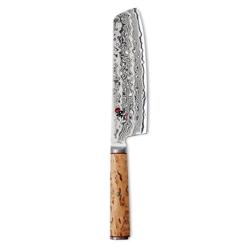
A razor-sharp, Damascus-clad fillet knife with a D-shaped ebony handle, perfect for separating meat from bone.
Pros: sharpness, quality, balance
-
(179)
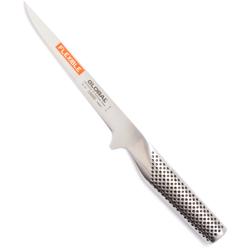
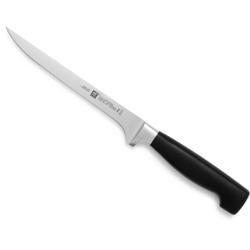
A 7" black fillet knife made from high-carbon German stainless steel with an angled bolster for enhanced precision and comfort.
Pros: flexibility, sharpness, durability
-
(126)
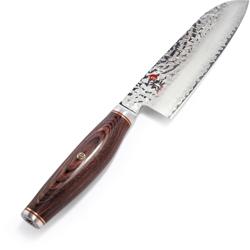
A 7" santoku knife with a micro-carbide SG2 core for exceptional performance and a beautiful cocobolo-rosewood handle.
Pros: sharpness, comfortable handle, edge retention
-
(143)
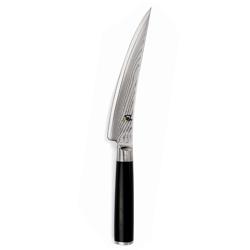
A 5.5" black boning knife with an angled bolster for enhanced precision, safety, and comfort.
Pros: sharpness, flexibility, versatility
Filleting Knife
A filleting knife is a versatile tool that delicately removes bones and skin from fish. Its long, thin blade provides superior control and maneuverability, allowing for precise cuts and smooth filleting. Whether you're an avid angler or a seafood lover, the filleting knife is essential for preparing fish quickly and precisely. Equip yourself with a high-quality filleting knife and perfectly elevate your seafood cooking.


Filleting Knife
FAQ List
A filleting knife is a specialized kitchen tool designed to fillet fish. It has a long, thin blade that is flexible enough to move along the bones and contours of a fish, allowing for precise cuts.
When buying a filleting knife, consider the size of the blade, the material of the handle, and the sharpness of the blade. A longer blade is ideal for larger fish, while a shorter blade is better suited for smaller fish. Handles made of materials like wood or plastic offer a comfortable grip, while materials like stainless steel or carbon fiber are durable and long-lasting. Additionally, a sharp blade is essential for precise cuts and minimal waste.
A filleting knife is a must-have tool for anyone who enjoys cooking fish, whether they are a professional chef or a home cook. It can make the process of preparing fish much easier and more efficient, resulting in a perfectly filleted fish every time.
To clean your filleting knife, simply rinse it under running water and dry it with a clean towel. Avoid using abrasive sponges or cleaners that can damage the blade. To maintain the sharpness of the blade, use a honing steel or sharpening stone regularly.
While filleting knives are specifically designed for filleting fish, they can also be used for other tasks that require a sharp, flexible blade. For example, they can be used to trim meat or poultry, or to slice fruits and vegetables.

-
"It's a great knife! I used it on a bunch of short ribs at work today and boy did it do wonders"
-
"I use it for soft fruits and vegetables (great for tomatoes, and it's the best I have ever used for slicing"
-
"Shun blonde handled boning/ fillet knife:I love this knife"
-
"I use it for soft fruits and vegetables (great for tomatoes, and it's the best I have ever used for slicing"
-
"Love, Love, Love this knife. Great for slicing bread to chopping veggies"