-
(93)
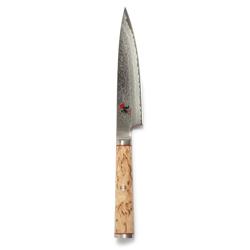
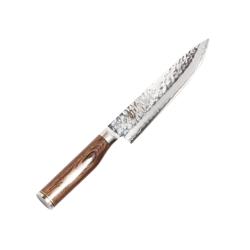
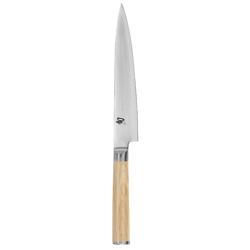
A 5" utility knife with a 101-layer steel construction, D-shaped birch handle, and razor-sharp blade.
Pros: sharpness, comfortable handle, balance
-
(119)
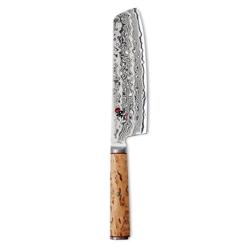
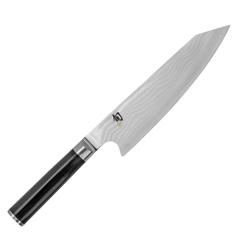
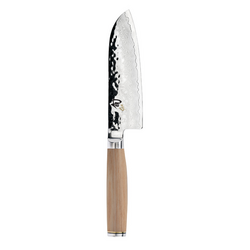
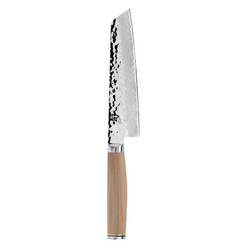
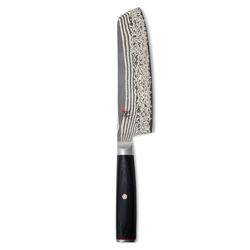
A 7" Japanese-style vegetable cleaver with a Damascus patterned blade and comfortable Masur birch handle.
Pros: sharpness, balance, aesthetic
-
(161)
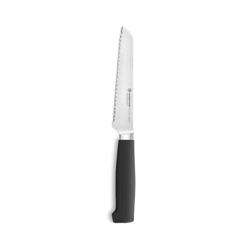
A 5" serrated utility knife in black, made of stainless steel, perfect for slicing citrus fruit, tomatoes, and sandwiches.
Pros: good for sandwiches, fruit, sharp serrated blade
-
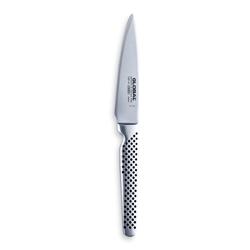
(48)
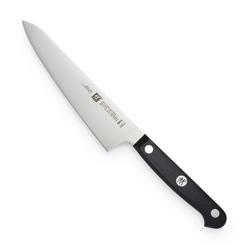
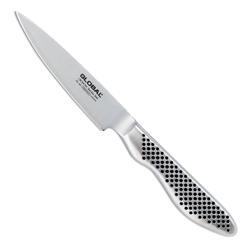
A 4" paring knife with a sleek design, perfect balance, and ergonomic handle for precise cutting.
Pros: sharpness, perfect size, very sharp
-
(92)
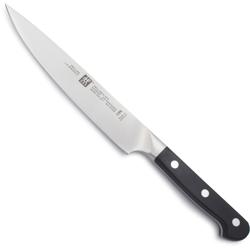
A 8" slicing knife with an angled bolster for enhanced precision, safety, and comfort. Made in Germany.
Pros: sharpness, durability, comfortable grip
-
(4)
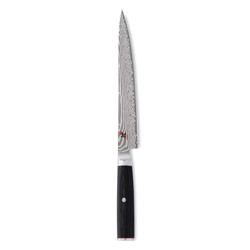
A 9" slicing knife with a Damascus-clad blade, D-shaped ebony pakkawood handle, and razor-sharp precision performance.
Pros: high quality
-
(12)
A versatile Japanese knife with a sleek design, hand-sharpened blade, and durable stainless steel construction.
Pros: sharpness, balance, design
-
(8)
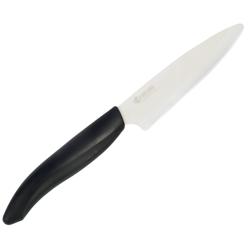
A 5" ceramic utility knife with a razor-sharp, germ-resistant blade that stays sharp longer than steel.
Pros: sharpness, versatility, utility
-
(2)
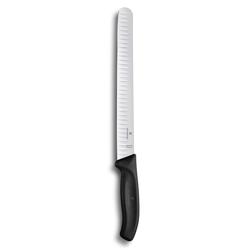
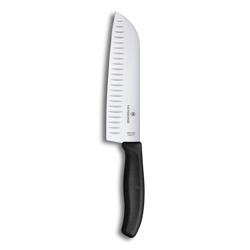
A durable and efficient slicer with an ergonomic handle and fluted edge for effortless slicing.
Pros: sharpness, ease of cutting meat, precision
-
(1)
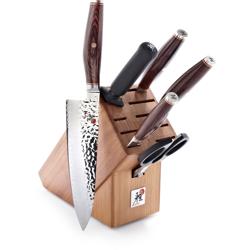
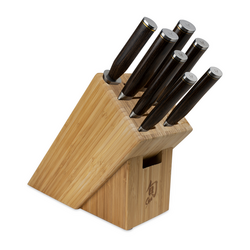
An 8-piece set with essential knives and honing steel, featuring brown wood handles.
Pros: beautiful, functional
-
(1)
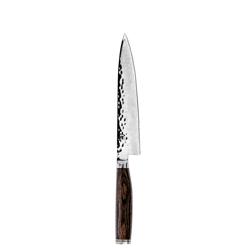
A handcrafted slicing knife with a razor-sharp edge, featuring a beautiful Damascus stainless steel design.
Pros: great blade, sharpness, thin blade
-
A stunning and versatile 6" chef knife with a razor-sharp edge and ergonomic grip.
Pros: grip, looks, works great for veggies
-
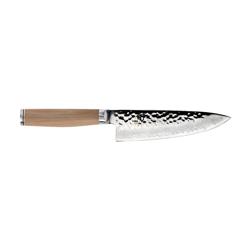
A tan stainless steel knife with a long, narrow blade for precise, effortless slicing.
-
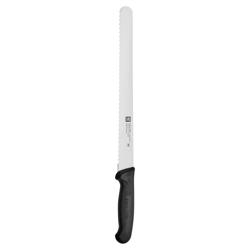
A high-carbon stainless steel slicer with a serrated edge and black polymer handle for precise, uniform cuts.
-
(68)
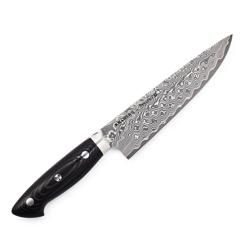
A narrow 8" chef's knife with a brown handle, crafted by Bob Kramer and Zwilling J.A. Henckels.
Pros: sharpness, comfortable handle, balance
-
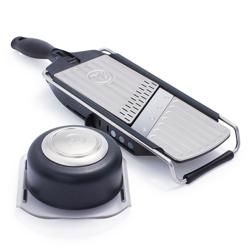
(13)
A professional handheld slicer with three thickness options, integrated julienne and French-fry blades, and non-slip base.
Pros: great quality
-
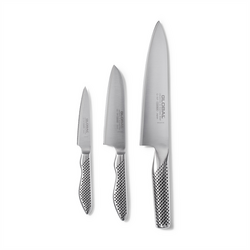
(8)
A 3-piece knife set with durable steel blades and hygienic, balanced handles for precise and effortless cutting.
Pros: love, daily use, meets expectations
-
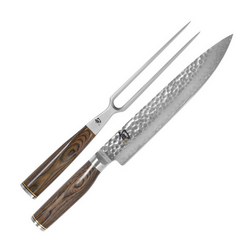
(5)
A razor-sharp carving knife and durable carving fork set, handcrafted by skilled Japanese bladesmiths.
Pros: beautiful, quality, carving ability
-
(4)
A Sleek and razor-sharp utility knife handcrafted in Japan with high-quality stainless steel for versatile chopping and slicing.
Pros: perfect size, versatility, great quality
-
(3)
A mid-sized utility knife with a striking blonde finish, perfect for slicing tomatoes and sandwiches.
Pros: easy to use, best quality, comfortable handle
-
(1)
A multifunctional santoku knife with a unique D-shaped handle and a Damascus finish for added control and visual appeal.
Pros: great quality, best used knife
-
A versatile and precise santoku knife with exceptional balance, made from stainless steel for durability.
-
A forged carbon steel knife with a black handle, ideal for slicing foods with delicate interiors and firm skins.
-
A nimble and versatile utility knife with an ergonomic handle and corrosion-resistant Damascus steel blade.
Slicing Knife
If you're a home cook or professional chef looking to elevate your slicing skills, you've come to the right place. These slicing knives are an essential tool in almost any kitchen, designed to effortlessly glide through meats, fruits, vegetables, and more. With its long, narrow blade and sharp edge, this versatile knife makes precise and clean cuts, ensuring your dishes look as good as they taste. Whether you're slicing roast beef for sandwiches or creating delicate carpaccio, a high-quality slicing knife is a must-have for achieving professional results.



Slicing Knife
FAQ List
To maintain the sharpness of a slicing knife, it is recommended to regularly hone the blade with a honing rod or sharpen it using a sharpening stone or knife sharpener. Additionally, storing the knife in a knife block or sheath can help protect the blade from dulling or damage.
While a slicing knife is specifically designed for slicing through foods, it can also be used for other kitchen tasks such as carving, filleting, and even chopping smaller ingredients. However, it's important to note that a slicing knife may not be as versatile as a chef's knife or utility knife for certain tasks.
The frequency of sharpening a slicing knife depends on how often it is used and the type of foods being sliced. As a general guideline, it is recommended to sharpen a slicing knife every few months with regular use. However, it's important to pay attention to the knife's performance and sharpen it whenever it starts to feel dull.
Yes, many slicing knives are designed to be ambidextrous and can be comfortably used by both right-handed and left-handed individuals. However, it's always a good idea to check the product description or specifications to ensure that the slicing knife is suitable for left-handed use.
While some slicing knives may be labeled as dishwasher safe, it is generally recommended to hand wash them to maintain their longevity. Dishwashers can expose the knife to harsh detergents, high temperatures, and potential contact with other objects that can cause damage to the blade or handle. Hand washing with mild soap and warm water is the best way to clean and preserve the quality of a slicing knife.
-
"Best Slicer is the best I've ever used, I cannot believe how easily this knife cuts"
-
"I love how this knife and all the knives in the pro series cut, slice, etc"
-
"We love the variety, and the bread knife is just the cherry on top"
-
"Love this knife! Great price and quality. Highly recommend"
-
"Great knife! The quality and balance of Shun is undeniable. Love these Premier series blades"