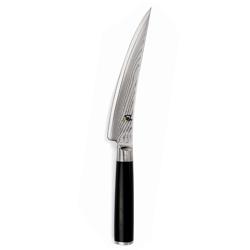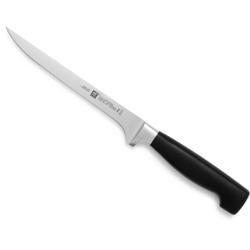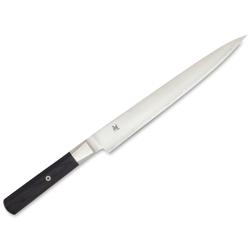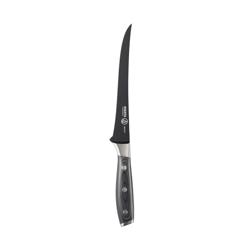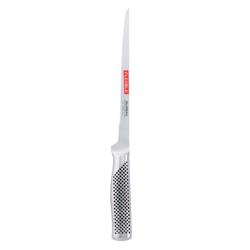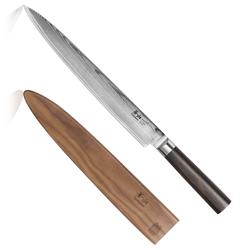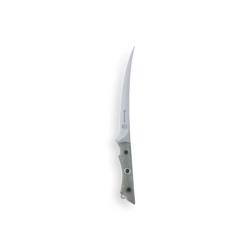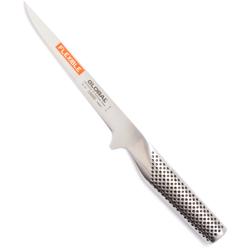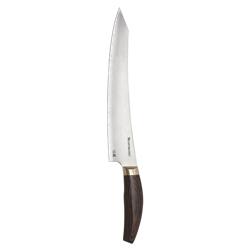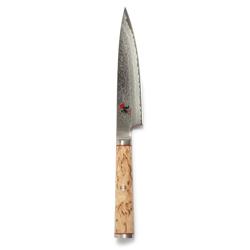
Salmon fillet knives are designed to separate delicate fish flesh from skin and bones with controlled, clean cuts. A thin, narrow blade with some flexibility can follow the rib cage and move close to the skin, helping preserve more of the salmon for cooking. For many home kitchen tasks, a blade roughly 7 to 9 inches long offers a useful balance of reach and control, while a longer blade can suit larger fish and broad sides of salmon. The best fit depends on the size of the fish, the work being done and how the knife feels in your hand. Breaking down a whole salmon calls for different handling than trimming a skin-on side or dividing a boneless fillet into dinner portions. A flexible fillet knife is especially useful for working around contours and removing skin; a long salmon slicing knife is better suited to cutting thin, even slices from cured or smoked fish. Although these styles can look similar, their blade shapes and intended uses are not always interchangeable. For cooks who regularly prepare salmon, choosing a knife around the task can make the work feel more manageable, whether dinner is a simple roasted fillet or a platter of carefully sliced gravlax. A narrow blade also offers a clear view of the cut, which is helpful when trimming a thin belly flap or separating portions of similar thickness. That precision matters with salmon: the flesh can tear under a dull edge, and repeated sawing can leave ragged surfaces rather than neat portions. A well-maintained edge and enough blade length for an easy drawing cut help keep the fish intact. Think of a salmon fillet knife as a specialized companion to everyday kitchen cutlery, rather than a replacement for a chef’s knife. Its value lies in close, careful work on fish, not in chopping vegetables, cutting through heavy bones or tackling frozen ingredients.
Blade material, flexibility and handle fit all influence how a salmon fillet knife performs. Stainless steel is a practical choice for frequent contact with moisture because it resists corrosion, though it still needs prompt cleaning and drying. Steel composition and heat treatment affect edge retention, toughness and ease of sharpening; the words “high carbon” alone do not establish how long a blade will stay sharp or whether it resists rust. For everyday cooking, a blade that can be maintained consistently is more useful than one chosen solely for a material claim. Flexibility deserves similar attention. A thinner, more flexible blade can follow the curve of the ribs and stay close to the skin, while a somewhat firmer blade may feel steadier when portioning thick flesh. More bend is not automatically better, particularly for someone who prefers firmer feedback through the handle. Blade length should also feel comfortable within the workspace. A longer knife needs room for its full cutting stroke, so consider the cutting board as well as the size of the salmon. The handle should sit securely in the palm without forcing an awkward reach or creating pressure points during repeated cuts. Textured synthetic handles can offer useful traction and straightforward care, while wood handles may appeal for their warmth and feel but generally require more attention to moisture. No handle makes wet or oily hands slip-proof; a clean grip and stable work surface remain important. Smooth transitions between the blade and handle also make it easier to clean away fish residue. For cooks comparing closely related tools,
Fish Boning Knives offer another way to consider blade shapes intended for working around bones. There is overlap between boning and filleting tasks, but individual blade profiles vary. A narrow tip can help with precise trimming, while a longer cutting edge supports extended strokes. Matching those features to the way salmon arrives in the kitchen, from whole fish to prepared sides, keeps the choice practical.
Good care helps a salmon fillet knife retain its usefulness through regular weeknight cooking and larger gatherings. Hand-wash the blade carefully with mild dish soap after use, rinse it and dry it thoroughly before putting it away. Avoid leaving it in a sink, where the edge can be hidden beneath dishes, or letting fish residue dry along the handle. Even corrosion-resistant steel can develop stains or rust when left wet, particularly after exposure to salt. A dishwasher can subject a thin edge and handle to heat, harsh detergent and contact with other utensils, so hand-washing is the better routine unless the maker specifies otherwise. Store the knife in a suitable sheath, fitted slot or other protective storage that keeps the cutting edge from knocking against nearby tools. If a sheath is used, both the knife and its cover should be clean and dry before storage. A wood or suitable plastic cutting board is gentler on the edge than glass, stone or ceramic, and the board should be large enough to support the fish without crowding the cutting area. Sharpening should follow the knife maker’s recommendations, especially for thin, flexible blades that can be difficult to hold at a consistent angle. Professional sharpening is a useful option when maintaining that geometry feels uncertain. These habits support durability, but intended use matters just as much: a flexible fillet blade should not be twisted against bones, used to pry or forced through frozen salmon. Pin bones are usually better removed with fish tweezers or pliers than chased with repeated cuts that sacrifice good flesh. For someone who buys whole fish, portions large sides for the freezer or enjoys preparing cured salmon for guests, a thoughtfully chosen fish knife can become a frequently used tool. It can also make a practical gift for an angler or an enthusiastic home cook, particularly when its size and style match the recipient’s routine. During the cooler months, that might mean preparing thick portions for pan-searing, trimming salmon for a comforting fish pie or slicing a cured side for a shared appetizer platter. Across those occasions, a comfortable grip, an appropriate blade and a clean, sharp edge matter more than an elaborate collection of features.