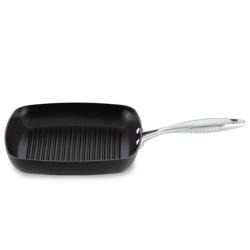
-
(15)
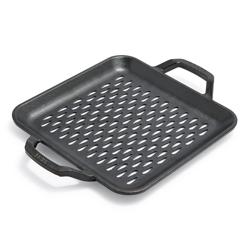
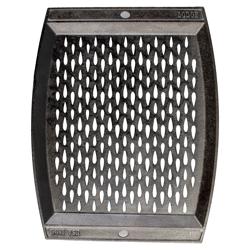
A cast iron grill grid with teardrop cutouts and raised handles for easy grilling and transportation.
Pros: great for grilling, quality, frequent use
-
(2)
A set of 2 black nonstick grill grids that make grilling smaller cuts of food easier and mess-free.
Pros: effective, easy clean up, easy to clean
-
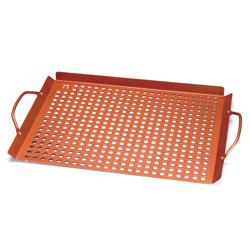
A copper grill topper with perforated surface and built-in handles for easy cooking and transport.
-
(2)
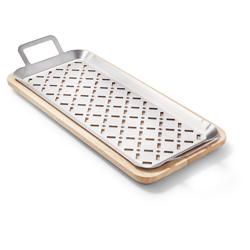
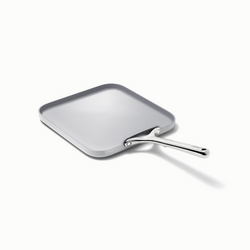
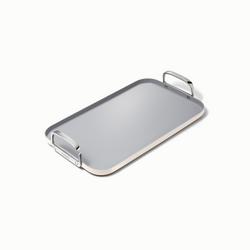
A silver stainless steel grilling grid paired with a wood trivet, both dishwasher safe for convenience.
Pros: pretty, heavy duty
-
(49)
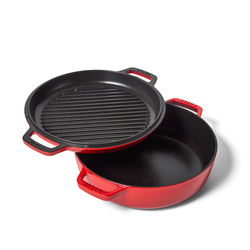
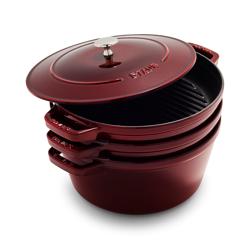
A set of 4 red cast iron cookware pieces, including a cocotte, braiser pan, and grill pan, perfect for versatile cooking needs.
Pros: stackable, versatility, durable
-
(2)
A 15" x 12" cast iron grill topper with teardrop-shaped perforations for delicious grill flavor.
Pros: easy to use, grills evenly, improves grilling results
-
(2)
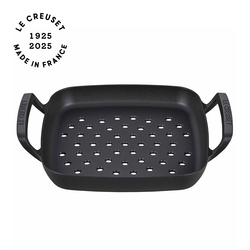
A durable black cast iron grill basket with perforations for smoky chargrilled flavor, perfect for outdoor cooking.
Pros: new item availability, handles high heat, design
Grill Grid
A grill grid is a metal or plastic frame that supports the food as it cooks, keeping it from falling through the gaps between the grid and the grill bars. It's also known as a broiler pan, roasting pan, or baking sheet.
Grill Grid
FAQ List
A grill grid is a tool used for grilling that sits on top of the grates and prevents food from falling through while creating grill marks.
Grill grids can be made from a variety of materials, including stainless steel, cast iron, and non-stick coated metal.
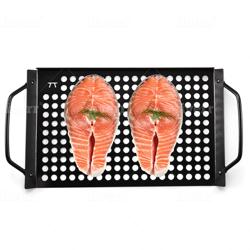
The size of grill grid you need depends on the size of your grill and the types of food you'll be cooking. Larger grids may be necessary for larger cuts of meat or vegetables, while smaller grids may be more suitable for seafood or smaller items like shrimp or mushrooms.
Grill grids can be cleaned with a grill brush or scraper and warm soapy water. Some grids are dishwasher safe, but check the manufacturer's instructions before putting them in the dishwasher.
Grill grids are specifically designed for outdoor grilling and may not be suitable for indoor cooking. However, some non-stick coated grids may be safe for use on a stovetop or in the oven. Check the manufacturer's instructions before using a grill grid for indoor cooking.


-
"Great quality. Haven't tried this item yet"
-
"Love it. Just as expected"
-
"Love it! Veggies can be prepared, on the grill, to perfection"
-
"One of the Best Skillets I have ever used"
-
"Love this pan. Less splatter and nothing sticks"