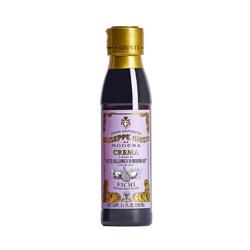
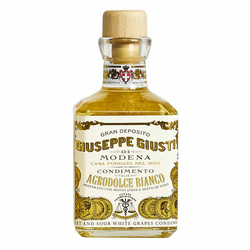
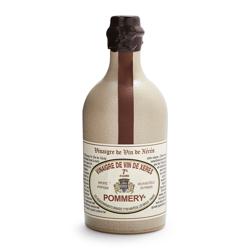
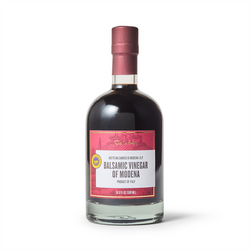
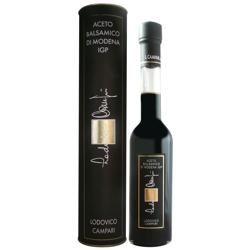
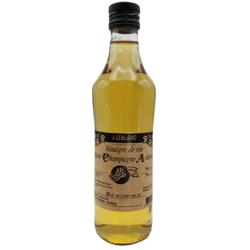
High-end vinegars bring more than acidity to the table: they add the aroma, depth and distinctive flavor of the ingredients used to make them. A well-made wine vinegar can carry hints of the grape behind it, while an apple cider vinegar may offer rounded fruit notes beneath its bright, tangy edge. The qualities that distinguish premium vinegar include carefully chosen ingredients, controlled fermentation, balanced flavor and, in some styles, thoughtful aging. Slow fermentation gives producers time to develop and preserve nuanced aromas, while resting in wood can contribute subtle oak notes and soften the impression of sharpness. Neither age nor a particular production method guarantees quality on its own; the most useful distinction is how clearly the vinegar expresses its ingredients and how well its acidity fits its intended use. Some styles are lean and lively, ideal for a mustard vinaigrette or a spoonful stirred into lentils. Others are mellow, concentrated and suited to finishing a dish just before serving. Balsamic vinegar, for example, can range from fluid and tart to dense and richly sweet, depending on its ingredients and production process. Cooked grape must contributes sweetness and depth, but a thick texture alone does not establish how long a vinegar has aged or how it was made. Ingredient lists, origin information and clearly explained production details offer more meaningful context than an elaborate bottle. For shoppers choosing gourmet vinegars, those details help connect what is inside to what happens on the plate: a crisp lift for sliced tomatoes, a dark fruit accent for grilled meat or a gentle tang that keeps a rich sauce from feeling heavy. The appeal is not intensity for its own sake. It is a balance of acidity, aroma and sweetness that adds another dimension without overwhelming the food.
Choosing among specialty vinegars starts with the flavors that regularly come out of the kitchen. Red wine vinegar brings a savory, assertive brightness to bean salads, roasted peppers and dressings with garlic or oregano. White wine vinegar generally offers a lighter profile for delicate greens, shallot vinaigrettes and pan sauces, though individual styles vary. Sherry vinegar often has nutty, developed flavors that work particularly well with mushrooms, chickpeas and browned butter. Apple cider vinegar complements cabbage, pork and apple-based preparations, bringing fruit character without necessarily adding sweetness. Rice vinegar is often mild in flavor, making it useful for cucumber salads and dressings with sesame oil; seasoned versions may contain added sugar and salt, which matters when balancing a recipe. Fruit vinegars can contribute a recognizable berry or orchard-fruit note, while agrodolce preparations emphasize a sweet-tart balance. These differences make a small, varied selection more useful than several bottles chosen for appearance alone. A sharper vinegar might handle everyday dressings and marinades, with a more aromatic or concentrated style reserved for finishing. For a broader foundation alongside specialty choices,
Classic Vinegars can help round out a pantry organized around the way someone actually cooks. The best fit also depends on the other ingredients in a dish. A peppery olive oil can stand up to a bold wine vinegar, while a milder oil leaves more room for a delicate vinegar’s aroma. Sweetness in balsamic vinegar can balance bitter radicchio or salty cheese, but that same sweetness may change the character of a clean, savory dressing. Bottle size and pour control are practical considerations, too. A smaller bottle can suit a finishing vinegar used a few drops at a time, while a secure closure and an easy-to-control opening help prevent an accidental splash from overpowering a plate. For someone who cooks frequently, a vinegar with several uses earns its place beside the stove or on a pantry shelf.
Much of the pleasure of high-end vinegar comes from noticing how a small addition changes familiar food. A little stirred into a pot of beans near the end of cooking can make the broth taste brighter and more complete. A few drops over roasted carrots bring their sweetness into focus, while a restrained drizzle of mellow balsamic vinegar over strawberries creates contrast without requiring an elaborate dessert. In a pan sauce, vinegar can help loosen browned bits and offset the richness of butter; when a vinegar has especially delicate aromas, saving some for the final adjustment helps preserve them. Acid also changes texture, so longer is not always better in a marinade, particularly with tender seafood. For dressings and finishing touches, tasting a small amount with the food gives a better sense of balance than judging the vinegar straight from the bottle. Care is straightforward but worthwhile. Keep vinegar tightly closed, away from direct sunlight and prolonged heat, and follow any storage directions on the label, especially for infused or specialty preparations. Glass is a practical packaging material because it does not react with vinegar’s acidity, but clear bottles still benefit from storage in a cupboard. Vinegar is generally long-lasting when properly stored, although its aroma and flavor can change over time. Cloudiness or sediment may occur in unfiltered vinegar, and a “mother” can appear as a soft, gelatinous mass formed by acetic acid bacteria. Its presence is not, by itself, proof of superior flavor, just as a clear, filtered vinegar is not necessarily lower quality. Keeping the pouring surface clean and the cap secure helps protect the bottle between uses. These approachable ingredients also make thoughtful gifts for home cooks, enthusiastic salad makers and hosts who enjoy setting out bread, olive oil and a few well-chosen accompaniments. A selection with contrasting flavor profiles invites experimentation without demanding new equipment or advanced skills. Paired with serving dishes or a handwritten dressing recipe, premium vinegar offers something both useful and personal: another way to make everyday cooking taste more considered.