-
(93)
A 5" utility knife with a 101-layer steel construction, D-shaped birch handle, and razor-sharp blade.
Pros: sharpness, comfortable handle, balance
-
(16)
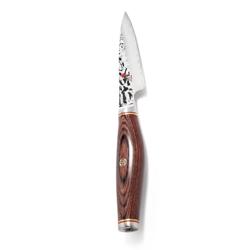
A stunning black paring knife with a 49-layer Damascus pattern and ergonomic handle for precise cuts.
Pros: sharpness, balance, durability
-
(42)
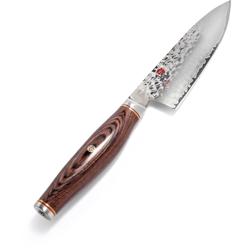
A 5.5" Miyabi Birchwood prep knife with a Damascus pattern, Rockwell hardness of 63, and Masur birch handle.
Pros: sharpness, durable, versatility
-
(33)
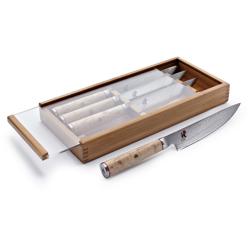
A set of 4 authentically Japanese steak knives with 101 layers of steel and a comfortable grip.
Pros: appearance, craftsmanship
-
(76)
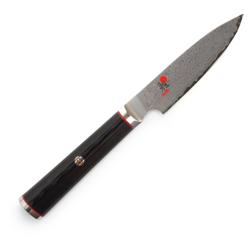
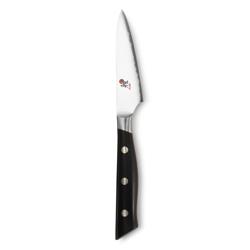
A 3.5" black paring knife with a Damascus pattern, ice-hardened steel construction, and durable micarta handle.
Pros: comfortable handle, versatility, sharp blade
-
(59)
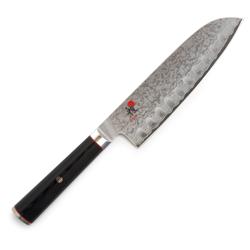
A 7" Santoku knife with a vg10 "super steel" core and a Damascus pattern for superior strength and edge retention.
Pros: sharpness, durability, sharp blade
-
(79)
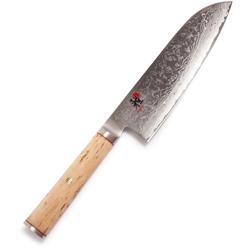
A 7" Miyabi Birchwood Santoku Knife with a Damascus pattern, D-shaped birch handle, and superior craftsmanship.
Pros: sharpness, craftsmanship, comfortable handle
-
(530)
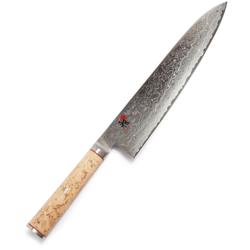
A 9" chef's knife with a Damascus pattern, a comfortable Masur birch handle, and a lifetime warranty.
Pros: sharpness, lightweight, craftsmanship
-
(584)
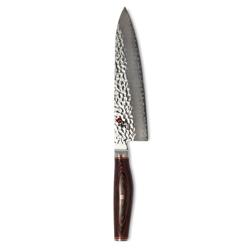
A handmade chef's knife with a symmetrical SG2 core, katana edge, and distinctive Cocobolo Pakkawood handle.
Pros: sharpness, quality, comfortable grip
-
(191)
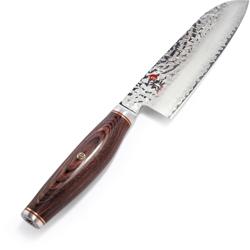
A versatile rocking santoku knife with a curved blade for efficient cutting, featuring a cocobolo-rosewood handle.
Pros: sharpness, comfortable grip, comfortable handle
-
(144)
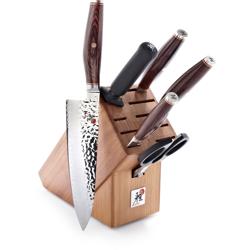
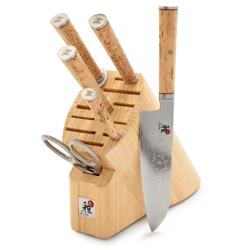
A 7-piece knife block set with an industry-leading SG2 core, legendary katana edge, and distinctive cocobolo pakkawood handle.
Pros: sharpness, comfortable handle, beautiful design
-
(126)
A 7" santoku knife with a micro-carbide SG2 core for exceptional performance and a beautiful cocobolo-rosewood handle.
Pros: sharpness, comfortable handle, edge retention
-
(122)
A 7-piece knife set with a delicate Damascus pattern, hand-honed blades, and a genuine hamon edge.
Pros: sharpness, beautiful design, quality
-
(99)
A handmade paring knife with a legendary katana edge, featuring a distinctive Cocobolo Pakkawood handle.
Pros: sharpness, comfortable handle, durability
-
(76)
A handmade chef's knife with a SG2 core, katana edge, and distinctive Cocobolo Pakkawood handle.
Pros: sharpness, balance, durable
-
(57)
A nimble, black paring knife with a 3.5" stainless steel blade for precise cutting tasks.
Pros: sharpness, durable, comfortable handle
-
(45)
A handmade chef's knife with a distinctive Cocobolo Pakkawood handle and an industry-leading SG2 core.
Pros: sharpness, comfortable handle, balance
-
(37)
A handmade bread knife with a legendary katana edge, featuring a distinctive Cocobolo Pakkawood handle.
Pros: sharpness, comfortable handle, versatility
-
(13)
A powerful, versatile chef's knife with a Damascus-clad blade and D-shaped pakkawood handle.
Pros: sharpness, quality, durability
-
(13)
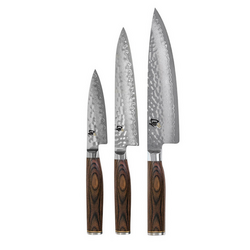
A 3-piece knife set with a paring knife, utility knife, and chef's knife, handcrafted by Japanese bladesmiths.
Pros: sharpness, quality, lightweight
-
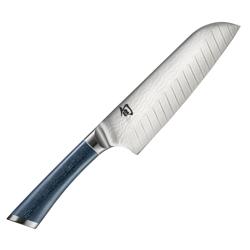
A versatile steel santoku knife featuring a flowing Damascus finish and a deep Prussian blue handle.
-
(404)
A revolutionary 8" chef's knife with exceptional steel, ergonomic handle, and precision balance for ultimate comfort.
Pros: sharpness, versatility, balance
-
(30)
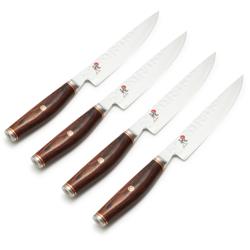
A set of four exquisite steak knives with a razor-sharp katana edge and distinctive Cocobolo Pakkawood handles.
Pros: sharpness, beautiful design, comfortable handle
Japanese Damascus Steel Knife
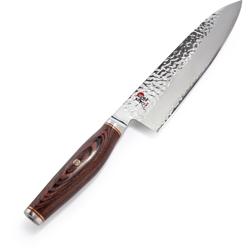
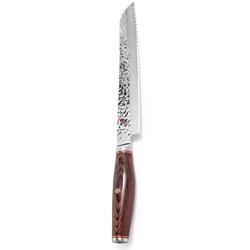
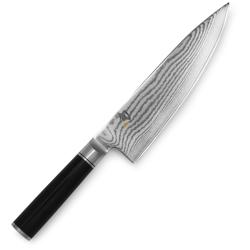
Looking for a high-quality knife that combines precision, durability, and stunning craftsmanship? Look no further than our Japanese Damascus steel knife collection. These knives are renowned for their exceptional performance and exquisite beauty, making them a must-have for any serious home cook or professional chef. Crafted using traditional Japanese techniques, each knife is meticulously forged with layers of premium steel to create a strong, sharp blade that effortlessly slices through ingredients with ease. Whether you're chopping vegetables, slicing meat, or preparing sushi, our Japanese Damascus steel knives are designed to elevate your culinary experience to new heights. Discover the perfect knife for your kitchen and unlock the true potential of your cooking skills.

Japanese Damascus Steel Knife
FAQ List
Japanese Damascus steel knives are known for their exceptional sharpness, durability, and stunning aesthetic. They are crafted by layering high-carbon steel and softer stainless steel, resulting in a distinctive wavy pattern on the blade. This construction enhances the knife's strength, flexibility, and provides a non-stick surface for effortless slicing and dicing.
To maintain the longevity of your Japanese Damascus steel knife, it is recommended to hand wash it with mild soap and warm water, immediately dry it with a soft cloth, and store it in a knife block or sheath. Avoid using abrasive cleaners or harsh detergents, as they can damage the blade's finish. Regular honing and occasional professional sharpening will help keep the knife's edge sharp.
Yes, Japanese Damascus steel knives are designed to be ambidextrous and can be comfortably used by both right-handed and left-handed individuals. The ergonomic handle and balanced weight distribution ensure a secure grip and optimal control regardless of your dominant hand.
Japanese Damascus steel knives are primarily designed for precision slicing, dicing, and chopping. It is not recommended to use them for cutting through bones or frozen food as it can damage the blade. For tasks involving bones or frozen items, it is best to use a specialized bone or cleaver knife.
While Japanese Damascus steel knives are known for their exceptional sharpness, they will eventually require sharpening with use over time. Regular honing with a honing rod or sharpening stone can help maintain the knife's edge. For professional sharpening, it is recommended to consult a reputable knife sharpening service or professional chef supply store.
-
"We love the variety, and the bread knife is just the cherry on top"
-
"Best Slicer is the best I've ever used, I cannot believe how easily this knife cuts"
-
"Love the Santoku style which is a bit lighter than the chef's knife and also sharper"
-
"Love this knife!! Lightweight! Cuts amazingly"
-
"Love this knife!! Lightweight! Cuts amazingly"