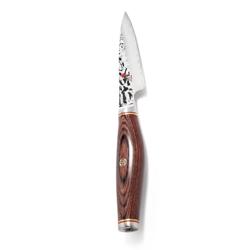
-
(62)
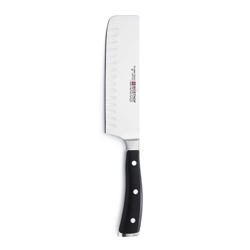
A 7" hollow-edge nakiri knife with a lightweight design, perfect balance, and ergonomic handle for comfortable slicing.
Pros: sharpness, balance, edge retention
-
(11)
A precision-forged, high-carbon stainless-steel carving knife with an ergonomic handle and double-bolster design.
Pros: sharpness, weight, perfect weight
-
(122)
A 5" black santoku knife with a unique forged double-bolster design, ergonomic handle, and high-carbon stainless steel blade.
Pros: sharpness, versatility, quality
-
(106)
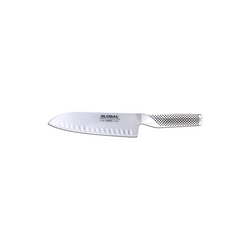
A 7" black santoku knife with a hollow-edge blade for slicing, cutting, and chopping with ease.
Pros: comfortable handle, lightweight, sharpness
-
(70)
A 7" santoku knife with a black handle, made from high-carbon stainless steel for precise cutting.
Pros: sharpness, quality, durable
-
(67)
A 7" Japanese-style knife with a flat cutting edge, hollow-ground blade, and ergonomic handle.
Pros: sharpness, versatility, durability
-
(64)
A durable, ice-hardened stainless steel knife with a hollow edge and ergonomic handle in silver.
Pros: sharpness, comfortable handle, clean cuts
-
(46)
A sleek, versatile 6" serrated utility knife with a lightweight design and ergonomic handle for comfortable slicing.
Pros: versatility, sharpness, reliable
-
(45)
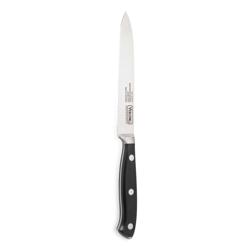
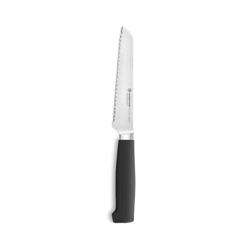
A 5" serrated utility knife with a black handle, precision-forged from high-carbon stainless steel for lasting sharpness.
Pros: versatility, durable, sharpness
-
(29)
A 7" black Nakiri knife with a unique forged double-bolster design, ergonomic handle, and hollow edge.
Pros: versatility, sharpness, quality
-
(23)
A 7" silver santoku knife with a lightweight design, razor-sharp blade, and user-friendly handle for precise slicing.
Pros: sharpness, lightweight, balance
-
(4)
A 9" slicing knife with a Damascus-clad blade, D-shaped ebony pakkawood handle, and razor-sharp precision performance.
Pros: high quality
-
(2)
A 9" carbon steel scallopped slicing knife with a comfortable handle made from Spanish hardwood shavings.
Pros: sharp blade, knife, comfortable handle
-
A 5" serrated utility knife with a sharp stainless steel edge and well-balanced POM handle.
-
A forged carbon steel knife with a black handle, ideal for slicing foods with delicate interiors and firm skins.
-
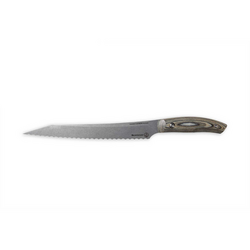
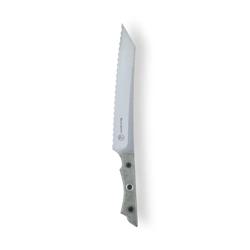
A gray stainless steel bread knife with a scalloped edge for cleanly slicing crusty breads and produce.
-
(49)
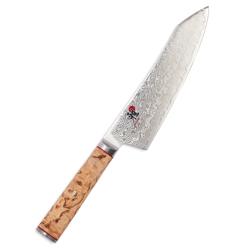
A versatile rocking santoku knife with a Damascus patterned blade and a comfortable Masur birch handle.
Pros: sharpness, comfortable handle, functional
-
(35)
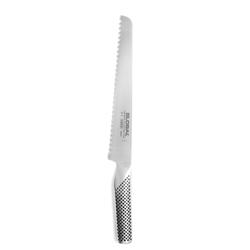
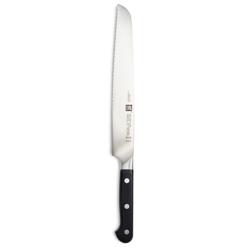
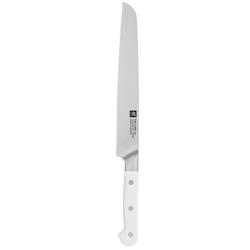
A sleek, lightweight bread knife with a serrated blade that effortlessly slices tough-crusted loaves.
Pros: sharpness, quality, balance
-
(23)
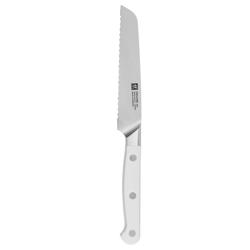
A serrated utility knife with a white handle, designed for safe cutting and durability.
Pros: sharpness, versatility, quality
-
(3)
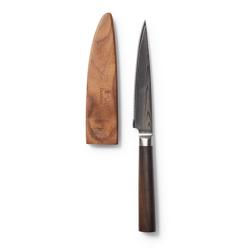
A serrated utility knife with a durable Japanese steel blade and African Blackwood handle.
Pros: good quality, perfect size, sharpness
-
(2)
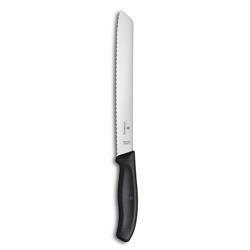
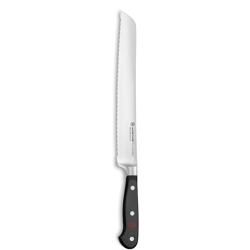
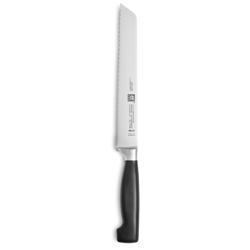
A lightweight, black bread knife with an ergonomic handle and serrated blade for precise cutting.
-
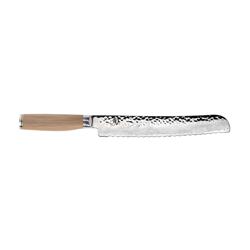
A tan-colored stainless steel bread knife with low-frequency serrations for precise, gentle cutting of bread, cakes, and pastries.
-
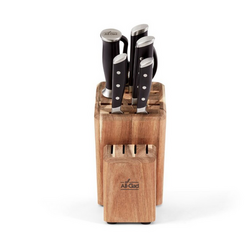
A 7-piece knife set with German stainless steel blades and acacia wood block from All-Clad.
Pros: size, design, functionality
-
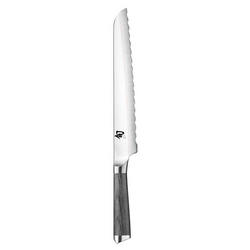
A sharp, serrated bread knife with a 71-layer steel blade, handcrafted in Seki City.
Knife With Grooves
Upgrade your kitchen arsenal with these knives with grooves. Designed to effortlessly glide through your ingredients, this versatile knife is a must-have for almost any home cook or professional chef. The grooves along the blade help reduce friction, allowing for precise and smooth cutting every time. Whether you're slicing, dicing, or chopping, this knife's exceptional performance will make your prep work a breeze.

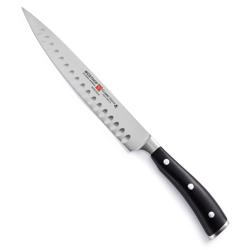
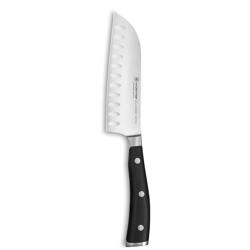
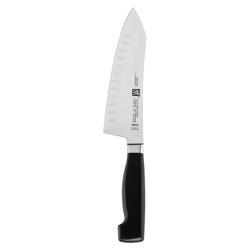
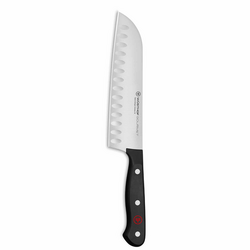
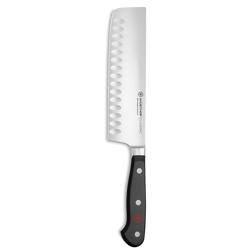
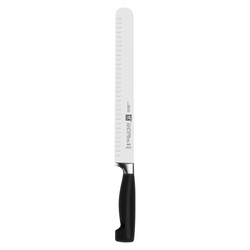

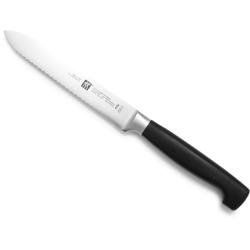

Knife With Grooves
FAQ List
Yes, knives with grooves are designed to be ambidextrous and can be comfortably used by both left-handed and right-handed individuals.
While knives with grooves do not require any special maintenance, it is recommended to hand wash them and dry them immediately to maintain their sharpness and longevity.
Absolutely! The grooves on these knives help reduce friction, making them ideal for delicate ingredients like tomatoes or soft cheeses, ensuring clean and precise cuts.
To preserve the quality and lifespan of knives with grooves, it is best to hand wash them. Exposing them to the high heat and harsh detergents in a dishwasher can potentially damage the blade and handle.
While both knives have their unique features, a knife with grooves typically has a straight edge with small indentations, whereas a serrated knife has a jagged edge with teeth-like serrations. The grooves on a knife with grooves help reduce friction and prevent sticking, while serrated knives are best for sawing through hard crusts or tough-skinned fruits.

-
"Great knife! The quality and balance of Shun is undeniable. Love these Premier series blades"
-
"I love the style of this knife. They stand up on edge. Theyre a great value as well"
-
"The best. I love the shape and the weight of it"
-
"Love the end where I can pick up the slices. Best ever"
-
"Great balance and very sharp! Love it! Works great for fruits and veggies with great precision"