-
(17)
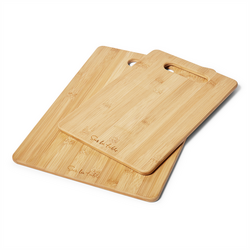
A set of 2 eco-friendly bamboo cutting boards, naturally resistant to water and bacteria, with handles for easy transport.
Pros: lightweight, good quality, sturdy
-
(16)
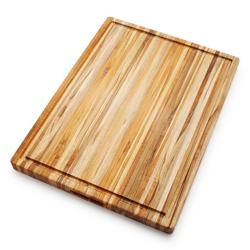
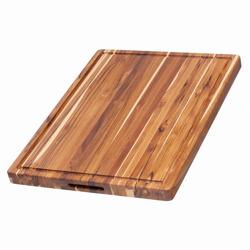
A reversible teak cutting board in a tan color, made from sustainable teak wood.
Pros: size, beautiful, appearance
-
(22)
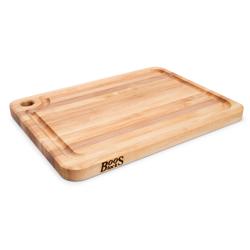
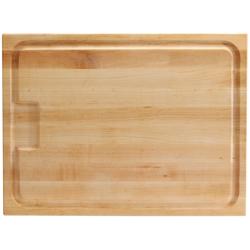
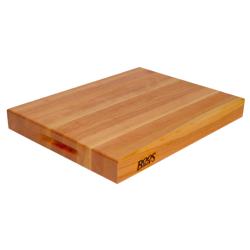
A reversible edge-grain maple cutting board with a deep groove to catch liquids and a finger-grip hole for easy transportation.
Pros: durability, quality, great quality
-
(5)
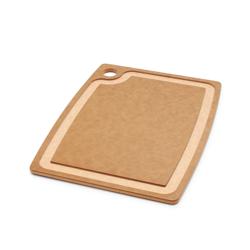
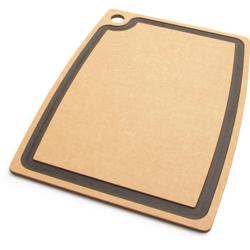
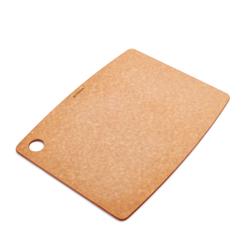
A durable, knife-friendly cutting board made from non-porous wood-fiber composite, perfect for busy kitchens.
Pros: easy to clean, effective, dries quickly
-
(20)
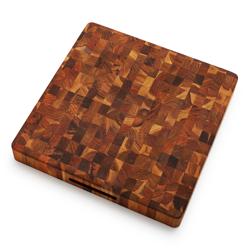
A sustainable, end grain teak cutting board with hand grips for easy transport and knife-friendly construction.
Pros: beautiful, functional, perfect size
-
(24)
A reversible cutting board made from FSC-certified reclaimed teak, offering durability and unique characteristics.
Pros: beautiful, thickness, perfect size
-
(10)
A premium maple cutting board with a reversible design, perfect for everyday kitchen use.
Pros: size, usefulness, small size
-
(6)
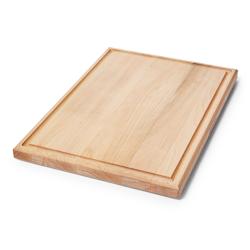
A reversible maple cutting board with a juice groove and protective cream finish.
Pros: versatility, large size, durability
-
(1)
A stunning, sustainable teak carving board that is perfect for carving and serving meat.
-
A reversible maple cutting board made from sustainably sourced Northern Hard Rock Maple Wood.
-
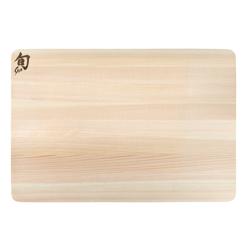
A tan Hinoki wood cutting board with a gentle surface that helps preserve knife edges and features natural fragrance.
-
(28)
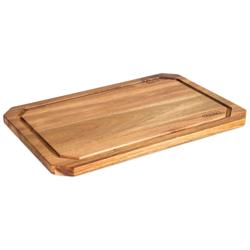
A versatile acacia wood cutting board with built-in juice grooves for easy food prep and serving.
Pros: beautiful, juice groove, functional
-
(26)
A durable, dual-sided cutting board with a juice groove and heat resistance up to 350°F.
Pros: versatility, dishwasher safe, thin
-
(20)
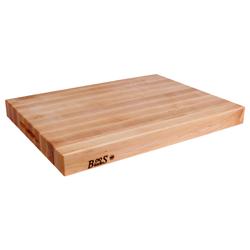
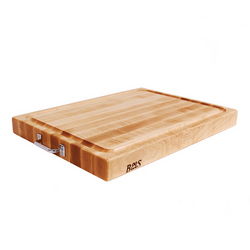
A reversible maple cutting board with grip handles, naturally anti-bacterial and protected with Boos cream finish.
Pros: durable, quality, thickness
-
(9)
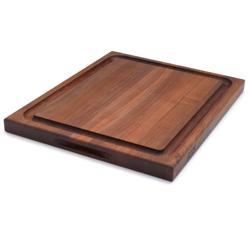
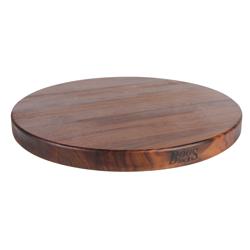
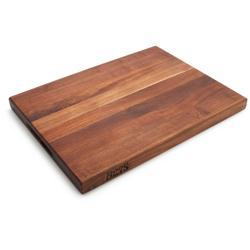
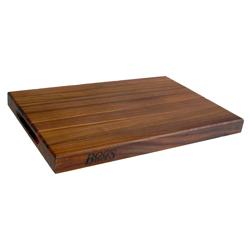
A reversible black walnut cutting board with hand grips, perfect for easy and durable food preparation.
Pros: love, hides mess, long lasting
-
(8)
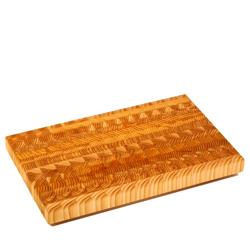
A durable and knife-friendly cutting board made of self-healing end-grain larch wood, perfect for cutting and serving.
Pros: beautiful design, rubber feet, love it
-
(8)
A reversible walnut cutting board with grip handles, perfect for separating meat and produce.
Pros: quality, beautiful, love
-
(5)
A reversible cutting board made of sustainably sourced maple and walnut, featuring a juice groove and flat surface.
Pros: attractive, easy to clean, well designed
-
(4)
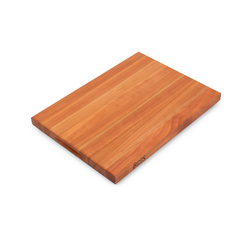
A reversible cherry cutting board with grip handles and a protective Boos cream finish.
Pros: nice quality, good care instructions, beautiful appearance
-
(3)
A reversible, edge-grain maple cutting board with handles that is durable, antibacterial, and easy to clean.
Pros: lovely design, large size, unexpectedly useful
-
(3)
A durable maple cutting board with reversible end-grain construction and a natural oil finish.
Pros: durable, beautiful craftsmanship, treatment oil
-
(1)
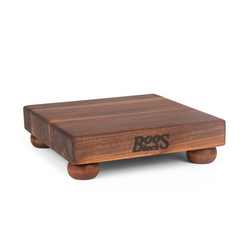
A sturdy walnut cutting board with bun feet to prevent sliding, crafted in the USA.
Pros: beautiful wood, quality
-
A reversible cherry cutting board with grip handles and a protective Boos cream finish.
-
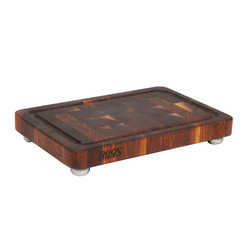
A 1.75"-thick walnut cutting board with stainless steel feet and a juice groove for mess-free cooking.
Natural Cutting Boards
Looking for a cutting board that combines functionality with eco-friendliness? Look no further than our collection of natural cutting boards. Crafted from sustainable materials, these cutting boards are not only kind to the environment but also provide a durable and reliable surface for all your chopping, slicing, and dicing needs. With their natural beauty and sturdy construction, these cutting boards are a must-have addition to any kitchen. Explore our wide range of options and find the perfect one to suit your culinary style.
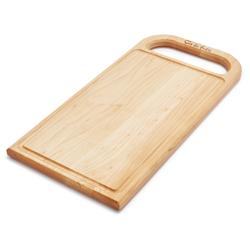
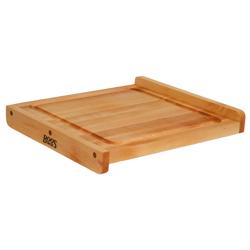
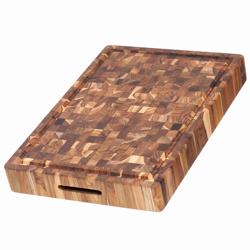
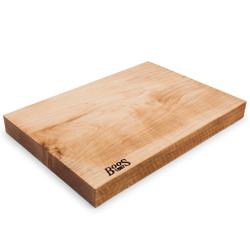
Natural Cutting Boards
FAQ List
To keep your natural cutting board in top condition, it is recommended to hand wash it with warm soapy water and dry it thoroughly. Avoid soaking or submerging it in water, as this can cause warping or cracking. Additionally, it is important to regularly oil your cutting board with food-grade mineral oil to maintain its moisture and prevent it from drying out.
While natural cutting boards are excellent for chopping and slicing, they are not designed to withstand high temperatures. It is not recommended to place hot pots, pans, or dishes directly on the cutting board, as this can cause damage. Always use trivets or heat-resistant mats to protect your cutting board from excessive heat.
Natural cutting boards have inherent antimicrobial properties, making them resistant to bacteria. However, it is important to practice proper food safety and hygiene by washing your cutting board thoroughly after each use, especially when handling raw meat, poultry, or fish. This will help prevent cross-contamination and ensure the cleanliness of your cutting board.
Absolutely! Natural cutting boards not only serve as practical kitchen tools but also make beautiful serving platters. Whether you're showcasing a selection of cheeses, arranging a charcuterie board, or presenting freshly baked goods, the natural beauty of these cutting boards adds an elegant touch to your table setting.
The lifespan of a natural cutting board depends on several factors, including the quality of the material, how well it is cared for, and the frequency of use. With proper maintenance and regular oiling, a high-quality natural cutting board can last for many years. However, it is important to monitor the condition of your cutting board and replace it if you notice any deep cracks, warping, or signs of deterioration.

-
"Great quality product that will last for many, many years"
-
"They are great! Would love to buy more, but can't find them on your web site"
-
"I wasn't expecting it to be quite so heavy but it's really a great product"
-
"The best part is chopping vegetables and serving them from the board when company comes over"
-
"People Love this Beautiful and functional piece of equipment"