-
(1)
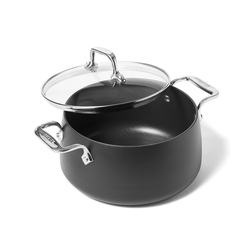
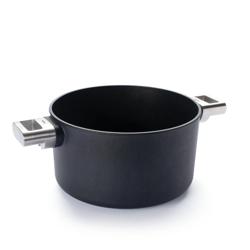
A durable black nonstick stockpot with tempered glass lid, perfect for soups, stews, and more.
Pros: right capacity, right weight
-
(2)
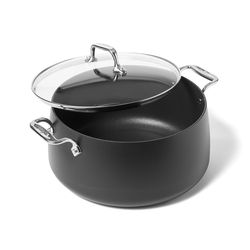
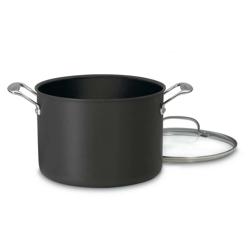
A generously-sized, black stockpot with durable anodized aluminum exterior, stainless steel base, and nonstick coating.
Pros: size, color, great grips
-
(2)
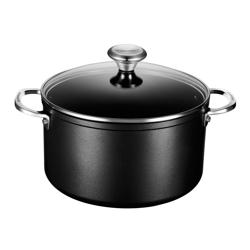
A black nonstick stockpot with stainless steel handles and a clear lid for easy, consistent cooking.
Pros: sturdy design, good size (8 quart), enhances flavor
-
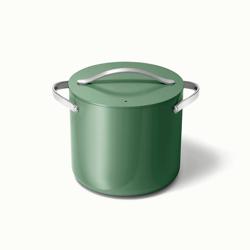
A sage green ceramic nonstick stockpot with ergonomic handles, even heat distribution, and oven safety to 550°F.
-
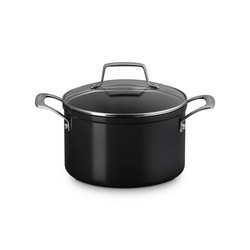
A black nonstick stockpot crafted from precision-cast aluminum with stainless steel handles for reliable performance.
-
(1)
A black hard anodized stockpot with PFAS-free ceramic nonstick interior for even heating and easy cleanup.
Pros: works well, durability
-
A 6 qt. stockpot with a durable nonstick surface for excellent browning and searing, in black.
-
A 4 qt. nonstick stock pot with ceramic coating for easy food release and effortless cleaning.
Pros: size, nonstick performance, lightweight
-
(24)
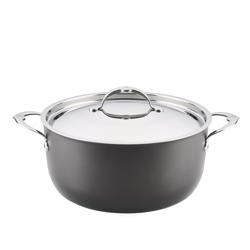
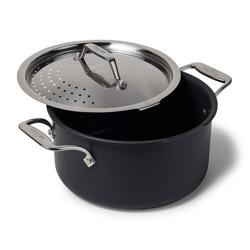
A convenient and versatile 6 qt. stockpot with a straining lid, made of hard-anodized aluminum for even cooking and easy cleaning.
Pros: easy to clean, perfect size, right size
-
(66)
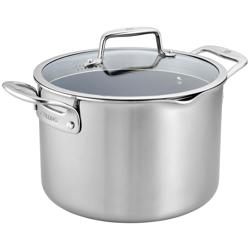
A 8 qt. stockpot with stainless steel construction, ceramic nonstick coating, and ergonomic cool-touch handles.
Pros: durable, appearance, quality
Nonstick Stockpot
Nonstick stockpots are an essential kitchen tool for almost any home chef. With a nonstick interior, these pots allow for the easy release of cooked food and make for easier cleanup. Nonstick stockpots are also great for simmering and boiling large quantities of food, making them an ideal choice for busy households. Here are some great options.

Nonstick Stockpot
FAQ List
A nonstick stockpot is a type of pot that has a nonstick coating on the inside to prevent food from sticking to the bottom. It is commonly used for cooking soups, stews, pasta, and vegetables.
The main benefit of using a nonstick stockpot is that it prevents food from sticking to the bottom, making it easier to cook and clean. It also allows for healthier cooking, as less oil is needed to prevent sticking.
Nonstick stockpots can be made of a variety of materials, including stainless steel, aluminum, and ceramic. Each material has its own benefits and drawbacks, so it's important to consider your cooking needs before making a purchase.
It depends on the specific pot and its manufacturer's instructions. Some nonstick stockpots are oven-safe, while others are not. It's important to check the manufacturer's instructions before using a nonstick stockpot in the oven.
Nonstick stockpots should be cleaned with a soft sponge or cloth and mild dish soap. Avoid using abrasive cleaners or scrubbers, as they can damage the nonstick coating. It's also important to avoid using metal utensils, as they can scratch the coating and cause it to peel off over time.
-
"limas/ navy whites / and a ton of small red beans which are my favorite. i also cook 16 bean soup a great"
-
"Love this pot! Perfect size for soups and any kind of pasta. Nice heavy pot"
-
"I love this pot. Its perfect for my needs. The non-stick is great"
-
"Great product"
-
"I love this pot. Its perfect for my needs. The non-stick is great"