-
(39)
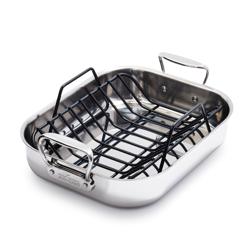
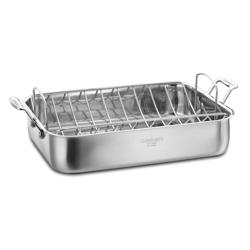
A durable stainless steel roasting pan with even heating and dripless pouring rims.
Pros: durable, easy to clean, sturdy
-
(153)
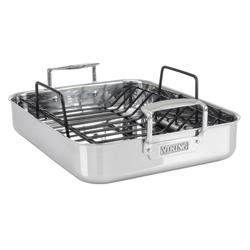
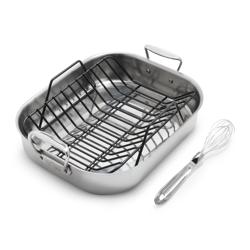
A durable stainless steel roasting pan with a nonstick rack for even cooking and easy basting.
Pros: easy to clean, perfect size, durable
-
(603)
A durable and versatile roasting pan with stainless steel rack for optimal baking and roasting performance.
Pros: easy cleanup, versatility, durable
-
(231)
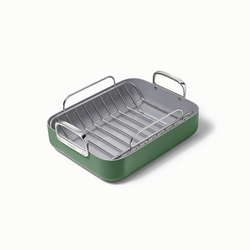
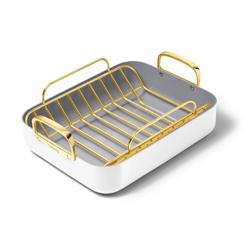
A sage green nonstick roasting pan with rack, perfect for even heat distribution and easy food release.
Pros: easy to clean, quality, easy cleanup
-
(38)
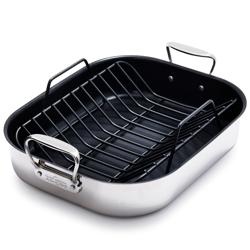
A heavy-gauge stainless steel roasting pan with nonstick coating and V-shaped rack for even cooking.
Pros: durable, quality, heavy duty
-
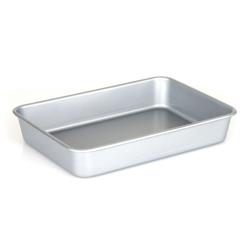
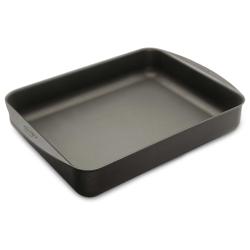
A gray aluminized steel pan with dual-layer nonstick coating ensures even heating and effortless cleanup.
-
(30)
A multi-purpose, nonstick roasting pan that is energy-saving, healthier, versatile, and compatible with stovetop and oven.
Pros: easy to clean, size, perfect size
-
(19)
A silver stainless steel roasting pan with nonstick rack, aluminum core, and high sides for even heating.
Pros: easy to clean, durable, versatility
-
(78)
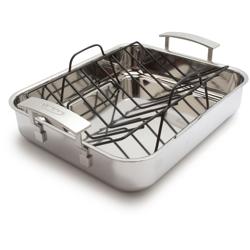
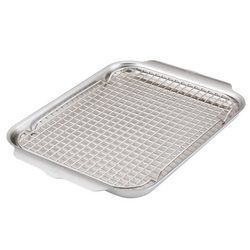
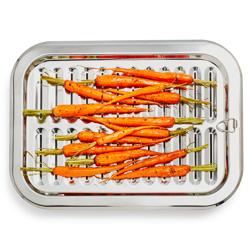
A silver medium sheet pan with rack made from triple-bonded clad stainless steel for even heat distribution.
Pros: easy to clean, versatility, durable
Roasting Pan For Chicken
Roasting pans are a must-have for almost any kitchen. They're used to roast turkeys, chickens, and other meats, and they're also ideal for cooking vegetables. Roasting pans for chicken come in a variety of sizes and materials, but they all have one thing in common: They're designed to hold a large amount of food so that it can cook evenly. Here are some great options.

Roasting Pan For Chicken
FAQ List
When shopping for a roasting pan for chicken, it's important to consider the size. Look for a pan that is large enough to comfortably fit your chicken, with room to spare. A good rule of thumb is to choose a pan that is at least 2 inches larger than your chicken on all sides.
The material of your roasting pan can affect the cooking process and the ease of cleaning. Stainless steel is durable and easy to clean, while cast iron retains heat well and can go from stovetop to oven. Consider your cooking needs and preferences when choosing the material for your roasting pan.
Absolutely! A roasting pan can be used for a variety of dishes, such as roasted vegetables, small turkeys, and even beef roasts. It's a versatile tool that will get plenty of use in any kitchen.
Basting can help keep your chicken moist and flavorful, but it's not necessary. If you choose not to baste, make sure to season your chicken well before roasting and keep an eye on it to prevent it from drying out.
The best way to clean your roasting pan is to soak it in hot, soapy water for a few hours before scrubbing it with a non-abrasive sponge or brush. For tough stains, you can use a paste made from baking soda and water. Avoid using harsh chemicals or steel wool, as they can damage the surface of your pan.
-
"I love the included rack, which is also very heavy duty. This is a great addition to any kitchen"
-
"Quickly came to realize this pan is a great braiser, roaster, deep fryer, and fry pan"
-
"Great quality stainless steel pan. Worked nicely to roast our Thanksgiving turkey"
-
"We have read, looked at, tried, and read more and find that the LODGE LOGIC brand is the BEST cast iron"
-
"i love this pan"