-
(10)
A mineral-rich sea salt from New Zealand, perfect for everyday cooking and grinding in a salt grinder.
Pros: taste, long-lasting, suitability
-
(7)
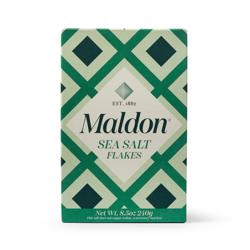
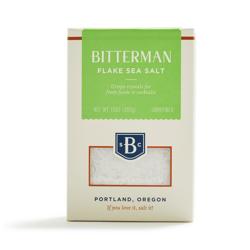
A pure, flaky white sea salt that enhances dishes with clean flavor and contains no additives.
Pros: flavor, enjoyment, appearance
-
(3)
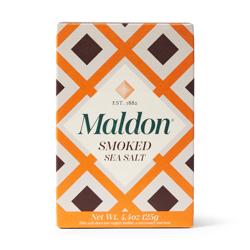
A cold-smoked sea salt with pyramid-shaped flakes, delivering rich, oaky flavor to savory and sweet dishes.
Pros: flavor, pronounced smoked flavor, versatility
-
(3)
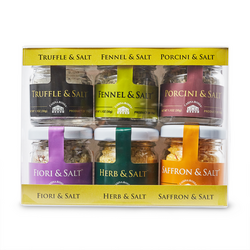
A set of 6 artisan sea salts with unique flavors, perfect for gifting or elevating any dish.
Pros: ease of use, variety (truffle and porcini), suitable as hostess gift
-
(31)
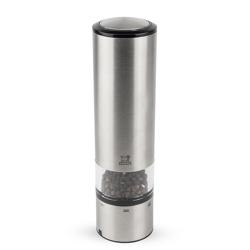
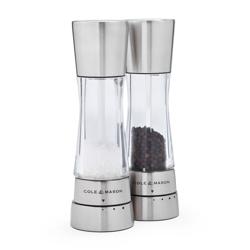
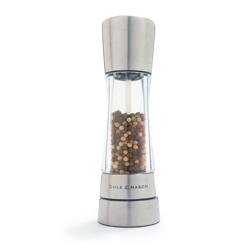
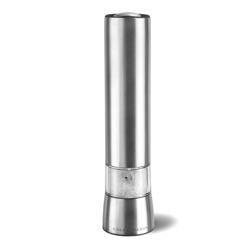
A brushed stainless steel electric pepper mill with adjustable grinding mechanism for fresh, flavorful pepper.
Pros: beautiful, durability, quality
-
(4)
A delicate pyramid-shaped flake salt harvested from cold, clean waters in Norway, perfect for enhancing any meal.
Pros: light taste, best quality, gift appeal
-
(1)
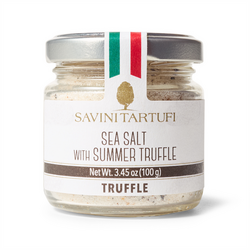
A preservative-free truffle salt from Savini Tartuffi adds rich flavor to meats, fish, and eggs.
Pros: versatility, truffle flavor
-
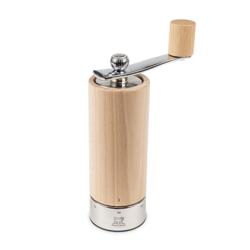
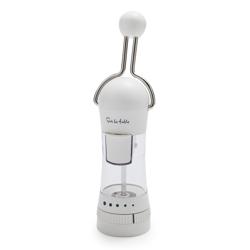
A natural beechwood salt mill with a stainless steel handle and six adjustable grind sizes.
-
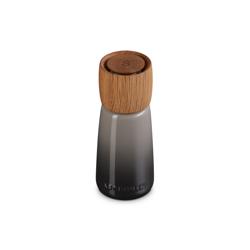
An elegant salt mill with a ceramic grinder, stoneware body in oyster, and white oak accents.
-
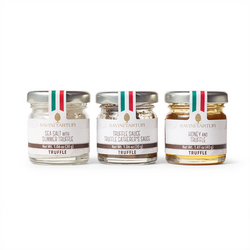
A truffle trio including sauce, honey, and salt for enhancing the flavor of meats, veggies, and more.
Salt For Meat
If you're cooking meat, the right salt can make all the difference. These salts can be used for a variety of dishes, from steak to pork to poultry. They are available in a range of flavors, textures, and colors, so you can find the perfect salt for your needs. Here are some great options.
Salt For Meat
FAQ List
Different types of salt for meat have varying textures, flavors, and origins. Some may be more coarse or have a stronger flavor profile, while others may be sourced from specific regions and have unique flavor profiles.
While you can use regular table salt for meat, it may not provide the same depth of flavor as specialty salts. Additionally, table salt may be too fine for some recipes and can result in over-salting.
Salt for meat can be used in a variety of ways, depending on the recipe. It can be used as a rub, a seasoning, or even as a finishing salt. It is important to follow the recipe instructions and to taste the meat as you cook to ensure the right amount of salt is used.
Different types of meat may pair better with different types of salt for meat. For example, a stronger flavored salt may complement a rich, fatty cut of meat, while a milder salt may be better for delicate meats like fish or poultry. It is important to experiment and find what works best for your taste preferences.
While specialty salt for meat may have unique flavor profiles, there are no significant health benefits to using them over regular table salt. It is important to use salt in moderation and to consider other factors like overall diet and exercise when it comes to maintaining a healthy lifestyle.
-
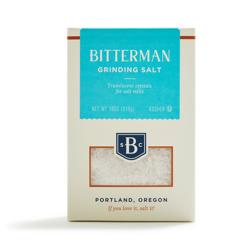
"Best grinding salt I've found. Perfect for the Sur La Table salt grinder"
-
"Best grinding salt I've found. Perfect for the Sur La Table salt grinder"
-
"Great function and gorgeous color- love it"
-
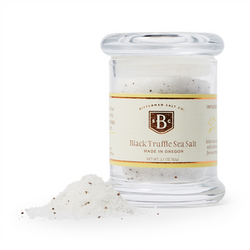
"Over eggs, potatoes, popcorn, or whatever you'd like, this flavored Truffle salt is the best topping"
-
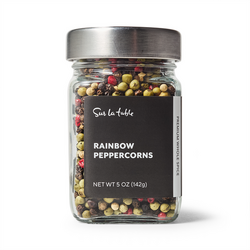
"Love these peppercorns. Grind up perfectly and great taste"