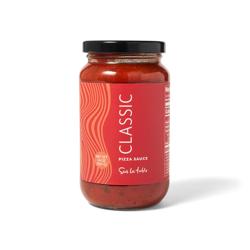
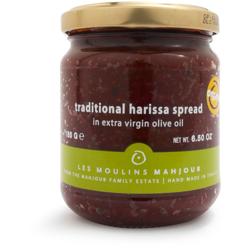
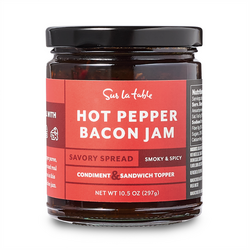
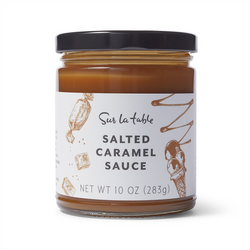
Sandwich sauces add moisture, flavor and contrast, bringing bread and fillings together in every bite. Creamy mayonnaise and aioli lend richness, mustard adds tang, oil-and-vinegar dressings brighten deli-style sandwiches and chile-based sauces bring heat. The best sandwich sauce depends on the filling, the bread and the balance of flavors you enjoy. A mild turkey sandwich leaves room for sharp mustard or a garlicky spread, while roast beef can stand up to the bite of horseradish. Smoky sauces complement grilled chicken, and herb-forward spreads add freshness to roasted vegetables, chickpeas or sliced eggs. These condiments do more than provide a finishing touch: they can give familiar ingredients a different character without changing the rest of the meal. Creamy sandwich spreads soften the impression of salty cured meats, while a vinegar-led sauce cuts through the richness of cheese. A little sweetness can round out smoky or spicy fillings, particularly when there is something tart alongside it, such as pickles or slaw. Texture matters just as much as taste. Smooth spreads distribute easily across soft sandwich bread, whole-grain mustard adds small pops of texture and thicker sauces stay more neatly inside rolls and wraps. For a crisp vegetable sandwich, a spread with enough body helps keep loose ingredients together without overwhelming their crunch. For a hearty sandwich on a crusty roll, a more assertive dressing can reach into shredded lettuce and sliced onions, seasoning the filling rather than simply coating the bread. Personal preference is a useful starting point, but the complete bite matters most. A sauce that tastes especially sharp by itself may feel balanced against avocado or melted cheese. Likewise, a rich spread often needs only a thin layer when paired with buttery bread. Thinking about sandwich sauces as part of the filling makes it easier to choose flavors that feel intentional, whether lunch is a quick cheese sandwich or a generously layered sub.
Ingredients and consistency help distinguish one style of sandwich sauce from another. Mayonnaise-based spreads typically have a smooth, rich texture, while mustard-forward sauces range from bright and sharp to rounded and gently sweet. Garlic, lemon, herbs and spices can change the character of a creamy base considerably, so flavor descriptions are worth reading beyond broad terms such as “spicy” or “zesty.” A chile sauce might offer smoky depth, a quick peppery bite or heat that builds gradually. Honey mustard balances sweetness with mustard’s pungency, although that balance varies by recipe. Oil-and-vinegar sandwich dressings tend to be more fluid than creamy spreads, making them well suited to chopped fillings and sturdy rolls when used sparingly. They can soak into bread, so the amount and placement matter, especially for a sandwich that will travel. Soft sliced bread generally benefits from a thicker spread and well-drained fillings; a substantial roll can accommodate a little more dressing. For packed lunches, keeping a loose sauce separate until mealtime can help preserve the bread’s texture. Ingredient labels also deserve attention when choosing condiments for a household or shared table. Depending on the recipe, sandwich sauces may contain eggs, milk, soy, sesame or other allergens, and a creamy appearance does not reliably indicate whether a sauce contains dairy. Anyone seeking vegan or gluten-free options should check the label rather than rely on the sauce’s name. Packaging is another practical consideration. A wide-mouth jar makes it easy to scoop a thick spread and reach the last spoonful, while a squeeze bottle can offer more control when dressing narrow wraps or small sandwiches. Container size should suit how often the sauce will be used, not just how appealing the flavor sounds. Follow the manufacturer’s storage directions, refrigerate after opening when instructed and use clean utensils to avoid introducing crumbs or food residue. Shelf life varies by formula and packaging, so the label is the best reference for handling and use after opening.
A thoughtful mix of sandwich sauces can serve several kinds of meals without turning the refrigerator door into a collection of barely used jars. A familiar creamy spread, a tangy mustard and a sauce with some heat offer different directions for everyday lunches, casual dinners and sandwiches made from leftovers. Sliced roast chicken might pair with a lemony herb spread one day and a smoky chile sauce the next. Roasted mushrooms and onions benefit from a sharp counterpoint, while a crisp breaded filling pairs well with a creamy sauce that has enough acidity to keep the sandwich from feeling too rich. Even a simple cucumber sandwich can change noticeably with dill, garlic or a little mustard in the spread. These are useful distinctions for home cooks who want variety without adding much preparation, as well as anyone assembling lunches for people with different tastes. At a sandwich platter or build-your-own lunch, serving sauces on the side lets each person control the richness, sweetness and heat. Separate serving utensils and clear ingredient information are especially helpful when sharing food. Sandwich sauces can also earn their place beyond bread: suitable styles may work as burger toppings, dips for roasted potatoes or dressings for slaw, depending on their consistency and ingredients. That versatility makes them a thoughtful gift for someone who enjoys cooking, packs lunch regularly or likes trying new flavors. For a recipient with an adventurous palate,
Unique Sauces offers another direction to explore alongside familiar sandwich condiments. Dietary needs, heat tolerance and preferred flavors should guide a food gift more than novelty alone. The most useful choices are those that fit the way someone actually eats, whether that means mild spreads for family sandwiches or sharper, more complex flavors for a carefully assembled deli-style lunch. With a sauce that suits the bread and filling, a handful of everyday ingredients can become a sandwich worth sitting down to enjoy.