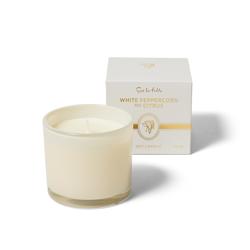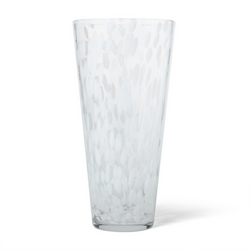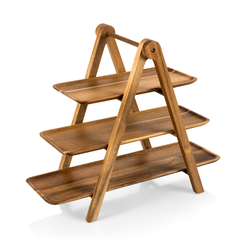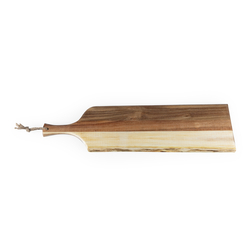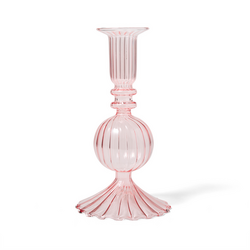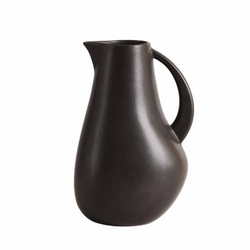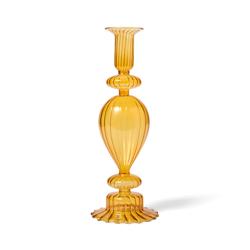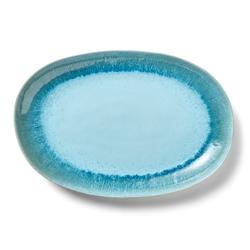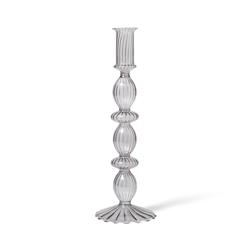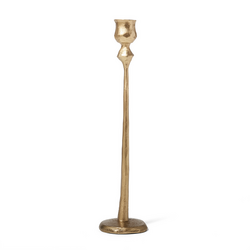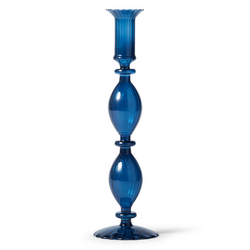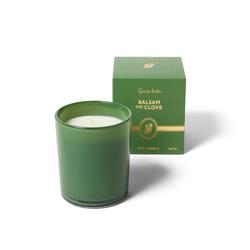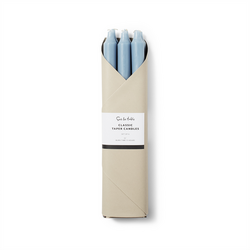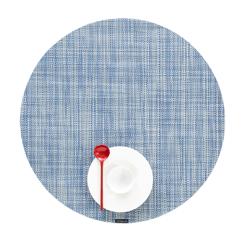
Spring table centerpieces bring a fresh, bright look to the dining table through flowers, greenery, soft colors and natural textures. Glass or ceramic vessels, decorative bowls and candleholders give these arrangements their shape, whether the setting is a casual breakfast table or a gathering for Easter brunch. Popular spring centerpiece styles include low floral arrangements, small vessels grouped together and bowls filled with whole lemons or other colorful fruit. Each offers a different balance of decoration and practicality: a compact arrangement leaves space for shared dishes, while a longer grouping can carry color down a rectangular table without relying on one oversized display. Clear glass keeps the effect light and lets stems become part of the arrangement. Opaque ceramic brings color and texture to the table while concealing stems and flower supports. Wood adds a warmer, more relaxed note alongside linen napkins and simple dinnerware. Spring colors need not mean an entirely pastel table, either. White blossoms and leafy greens sit comfortably against neutral dishes, while touches of yellow, blush or pale blue can echo a pattern already present in the place settings. For everyday meals, a modest centerpiece can make the table feel considered without making it harder to use. For a spring bridal shower, birthday lunch or Mother’s Day gathering, a fuller arrangement can help distinguish the occasion while still leaving room for conversation. The most useful spring table decorations complement the way a household eats and entertains, rather than demanding a completely different setup. A shallow bowl of citrus might stay in place through breakfast and dinner, while several small floral vessels can move easily to a sideboard when serving platters arrive. For inspiration beyond a single seasonal palette,
Beautiful Centerpieces offers a broader starting point for a table that feels welcoming throughout the year. A versatile foundation makes it easier to change flowers, greenery and accents while keeping favorite pieces in use.
Size and proportion matter as much as color when choosing a spring dining table centerpiece. A round table often feels balanced with a single central arrangement, especially when its footprint leaves comfortable space around each place setting. On a long table, a series of smaller accents can distribute visual interest more evenly and keep guests at either end from feeling far from the decoration. Square tables can accommodate a compact cluster, but the space needed for glasses, bread plates and serving utensils still comes first. Height deserves particular attention at a seated meal. Low arrangements generally make it easier to see across the table, and a vessel that looks modest on its own may become much taller once flowers or branches are added. A broad opening suits a loose, spreading arrangement, while a narrower neck can support a few stems with less fuss. Stable bases are helpful wherever dishes are passed frequently or children are seated nearby. The overall weight matters, too: a substantial centerpiece may feel secure in place but be awkward to lift when the table needs clearing. For households that serve meals family-style, movable groupings are often more practical than a single arrangement that occupies the entire center. A decorative tray can help keep a grouping together, provided the combined weight is manageable and each piece sits securely. Texture also affects how the setting feels. Smooth glass pairs easily with patterned linens, while a textured ceramic surface can add interest to an otherwise simple table. Natural wood tones soften a more formal setting without requiring every element to match. Fresh flowers offer fragrance and variation, but lightly scented or unscented arrangements are often more comfortable beside food. Faux botanicals can suit frequently used tables or spaces where regular flower care is inconvenient. Neither approach needs to dominate the setting; a few well-proportioned elements can give spring centerpieces their character while preserving a clear, comfortable place to eat.
Materials and care help determine whether centerpiece pieces are best suited to occasional entertaining or everyday use. Glass allows an arrangement to feel open and airy, though fingerprints, mineral deposits and cloudy water can be more noticeable on a transparent surface. Regular cleaning according to the maker’s directions helps preserve that clarity, and narrow-necked shapes may take more effort to clean inside than wide openings. Ceramic offers a broad range of finishes, from smooth glazes to surfaces with a handmade appearance, but a decorative vessel is not necessarily watertight. Pieces intended to hold fresh flowers should be suitable for water, or used with an appropriate liner that protects both the vessel and the table beneath it. Wood brings distinctive grain and a natural feel, but standing water and prolonged dampness can damage its surface. A wooden accent used beneath flowers or potted greenery benefits from a protective barrier and prompt attention to spills. Metal finishes have their own care requirements, particularly where moisture or candle wax is involved, so gentle cleaning and thorough drying may be important. Dishwasher safety varies by construction and finish; it should never be assumed for decorative pieces. Durability also includes the details that affect repeated handling, such as delicate rims, projecting embellishments and surfaces that may scratch when stored together. Centerpieces intended for a patio meal should be suitable for that use and stable enough for the setting, rather than chosen on appearance alone. Candleholders add a soft glow, but they should be designed for the candle type used and kept clear of flowers, foliage and other combustible decorations. Flameless candles offer an alternative when an open flame is not appropriate. Decorative bowls used to serve food need to be designated food safe, even if similar shapes are used only for display. These practical distinctions make spring centerpiece pieces thoughtful gifts for hosts, newlyweds or someone settling into a new home. Simple shapes and adaptable colors leave the recipient room to bring in personal favorites, from garden flowers to greenery or seasonal fruit. Pieces that work beautifully with more than one arrangement can become part of everyday table setting, not just a decoration brought out for a single celebration.