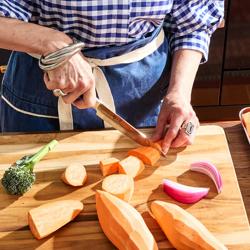
Winter citrus salad cooking classes put a bright, flavorful part of seasonal cooking at the center of the lesson. Oranges, grapefruit, mandarins and other citrus varieties offer more than a splash of juice: their flesh brings sweetness, acidity and color, while their zest adds fragrance without extra liquid. Learning to work with those differences can turn a familiar bowl of greens into a dish with a clear balance of flavor and texture. A salad built around juicy orange segments, thinly sliced fennel and peppery greens feels very different from one featuring tart grapefruit, creamy avocado and tender herbs. Classes focused on this theme offer a setting for exploring those combinations while building skills that carry into everyday meals. Depending on the menu, instruction may include removing peel and bitter white pith, cutting clean citrus segments, slicing delicate ingredients evenly and collecting juice for a dressing. These are small details with a noticeable effect on the finished salad. A neatly cut segment is easier to eat than a thick wedge with a tough membrane, and evenly sliced fennel gives a gentle crunch rather than an awkward mouthful. For a newer cook, seeing the knife angle and preparation sequence demonstrated can make an unfamiliar technique feel more manageable. More experienced home cooks may appreciate a closer look at how different citrus varieties behave, from firm slices that hold their shape to softer flesh that needs a lighter touch. Winter citrus also gives cooks a way to bring freshness to menus often built around roasted vegetables, braised meats and other substantial dishes. Rather than treating salad as an afterthought, these classes make room to consider its role in the whole meal: a crisp opening course, a refreshing side or a satisfying centerpiece with enough substance to stand on its own. That perspective is useful for anyone who enjoys seasonal ingredients but wants more confidence turning them into something cohesive, appealing and comfortable to serve at home.
Flavor balance is especially important in a citrus salad because the fruit can change from sweet to sharply tart even within the same variety. A class may explore how to taste an ingredient before deciding what the rest of the dish needs, instead of relying on a fixed amount of acid or sweetness every time. A juicy orange might work well with a little vinegar and a pleasantly bitter green, while grapefruit may call for a richer dressing or a sweeter companion. Olive oil, mustard, fresh herbs and citrus juice can each contribute something different, and learning their roles makes dressing a salad feel less like guesswork. The lesson is also about restraint. Too much dressing can hide the clean flavor of the fruit, while too little may leave sturdy greens feeling disconnected from the other ingredients. Menus that include nuts, seeds, cheese, grains or legumes can show how contrasting textures help a salad feel complete. Toasted nuts bring crispness, a soft cheese adds richness and cooked grains can absorb a dressing without losing their character. Not every salad needs all of those elements; a focused combination often lets the citrus come through more clearly. Preparation and timing matter just as much as the ingredient list. Citrus releases juice after cutting, tender leaves soften once dressed, and crunchy additions are most noticeable when they retain their bite. In a class setting, those details can become practical lessons in organizing the work and understanding what can be prepared ahead. For someone planning a dinner with several dishes, that knowledge is useful well beyond salad night. It can help distinguish the components that can wait from the finishing touches that belong close to serving. Presentation has a purpose here, too. Arranging citrus across a platter makes its color visible and helps distribute the fruit, greens and garnishes so each serving offers a little of everything, rather than leaving the best bites at the bottom of a bowl.
These classes can appeal to beginners who want a more approachable starting point for knife work, regular home cooks looking to refresh familiar meals and enthusiastic hosts who enjoy giving vegetables and fruit a more prominent place at the table. A shared interest in cooking also makes a citrus-focused class a thoughtful outing for friends, couples or relatives who prefer spending time together over exchanging another possession. The subject offers plenty to talk about along the way, from favorite flavor combinations to the ingredients that tend to linger unused at home. For a cook who usually reaches for the same greens and bottled dressing, working with citrus can open up a different set of possibilities without requiring every future salad to become an elaborate project. For someone comfortable following recipes, the appeal may be learning why a combination works and how to adjust it when the fruit is sweeter, the greens are more assertive or the meal calls for something lighter. Class descriptions help establish the particular focus, including the dishes covered, expected experience level and whether salads are the main subject or part of a broader menu. The full menu matters for dietary needs as well, since a citrus salad may include dairy, nuts, seafood or other ingredients that are not obvious from the theme alone. Those interested in exploring a wider range of ingredients and presentations can also browse
Cooking Classes for Colorful Salads for another perspective on building satisfying, visually appealing dishes. The lasting value of a winter citrus salad class is the connection between a few careful techniques and food that feels natural to cook again. Cleanly prepared fruit, a well-judged dressing and a thoughtful contrast of textures can suit a relaxed lunch, a dinner shared with friends or a more composed meal for guests. Learning how those pieces work together gives home cooks something more useful than a single finished dish: a dependable foundation for making salads with character.